How Does Extruded Plastic Tubing Support Modern Industrial Applications?
Introduction
Plastic tubing is an important component in many industries, from manufacturing and electrical systems to automotive production, construction, and fluid management. Businesses often require tubes with specific dimensions, reliable performance, and material properties that match their working conditions. This is where extruded plastic tubing becomes a practical solution for a wide range of applications.
Plastic extrusion makes it possible to produce continuous tubes with consistent shapes, controlled wall thicknesses, and different diameters. Depending on the application, manufacturers can develop tubing with varying levels of flexibility, strength, transparency, and resistance to environmental conditions.
Xtruline provides plastic profile and extrusion expertise to support different industrial requirements. Understanding how tubing is manufactured, which materials are available, and what factors influence product selection can help businesses make better decisions for their projects.
What Is Extruded Plastic Tubing?
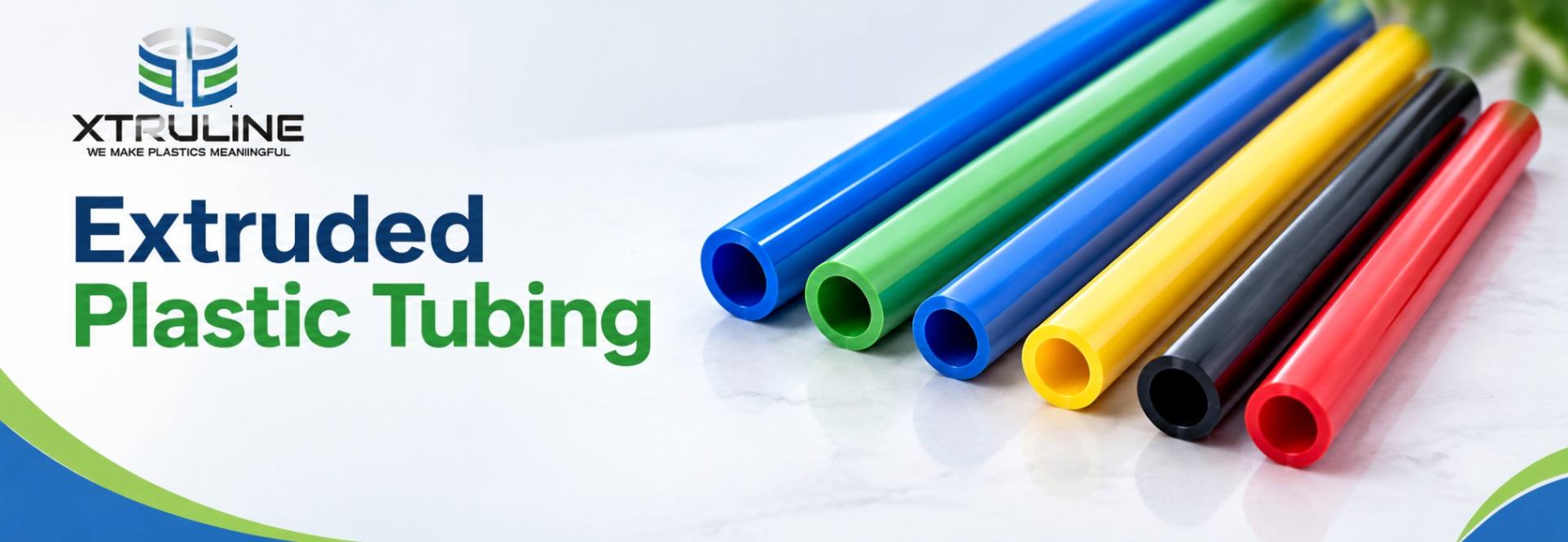
Extruded plastic tubing is a hollow plastic product manufactured by pushing melted polymer material through a specially designed die. The die determines the tube’s basic shape and diameter, while the extrusion process helps maintain a continuous and uniform structure.
During production, plastic resin is heated until it becomes workable. The material then passes through the extrusion equipment and takes the shape of the die. Cooling systems stabilize the tube before it is pulled, measured, and cut into the required lengths.
This manufacturing method is suitable for producing large quantities of tubing with consistent specifications. It also allows manufacturers to develop products for applications that require particular dimensions, material characteristics, or functional features.
Unlike many conventional manufacturing methods, extrusion can produce continuous lengths of tubing, helping reduce unnecessary material handling and supporting efficient production.
How Does the Plastic Tubing Extrusion Process Work?
The Plastic Tubing Extrusion process involves several carefully managed stages. Each stage contributes to the quality, dimensional accuracy, and usability of the finished product.
1. Material Selection
Production begins with selecting a suitable thermoplastic resin. The choice depends on the tube’s intended use, operating temperature, required flexibility, chemical exposure, and mechanical demands.
Common options include PVC, polyethylene, polypropylene, and polycarbonate. Each material has different characteristics, so the selection should reflect the actual conditions in which the tubing will operate.
2. Heating and Melting
Plastic resin enters an extruder, where heat and mechanical movement transform it into a uniform molten material. Maintaining appropriate processing conditions helps achieve consistent material flow and reduces the likelihood of manufacturing defects.
3. Shaping Through a Die
The molten polymer passes through a specialized die that forms the tube’s hollow structure. Tooling design plays an important role in determining the outside diameter, inside diameter, wall thickness, and overall geometry.
4. Cooling and Sizing
After leaving the die, the tube is cooled and stabilized. Proper sizing and cooling help the product maintain its intended dimensions and shape.
5. Inspection and Cutting
The finished tubing is checked against the agreed specifications. Depending on the project, inspections may cover dimensions, appearance, surface quality, and other performance requirements. The tubing is then cut or supplied in continuous lengths as required.
What Are the Benefits of Custom Plastic Tubing?
Different applications have different requirements, which is why standard tube sizes may not always be suitable. Custom Plastic Tubing allows businesses to specify product dimensions and material properties according to their intended use.
Application-Specific Dimensions
Custom tubing can be developed around particular inside diameters, outside diameters, wall thicknesses, and lengths. These specifications help designers integrate tubing into existing assemblies and equipment.
Material Flexibility
Different polymers offer different advantages. Some are selected for flexibility, while others are preferred for rigidity, impact performance, clarity, or resistance to particular environmental conditions.
Selecting the right material helps ensure that the finished tube is suitable for its operating environment.
Consistent Production
A properly controlled extrusion process supports repeatable dimensions across production runs. Consistency is particularly important for manufacturers that use tubing in assemblies where components must fit together accurately.
Efficient Manufacturing
Continuous production can support high-volume manufacturing requirements. Once the tooling and process parameters are established, manufacturers can produce tubing efficiently while maintaining defined quality standards.
Design Customization
Depending on the tooling and material, extrusion can accommodate specific functional requirements. Discussing these needs early in the design stage can help identify practical solutions and avoid unnecessary changes later.
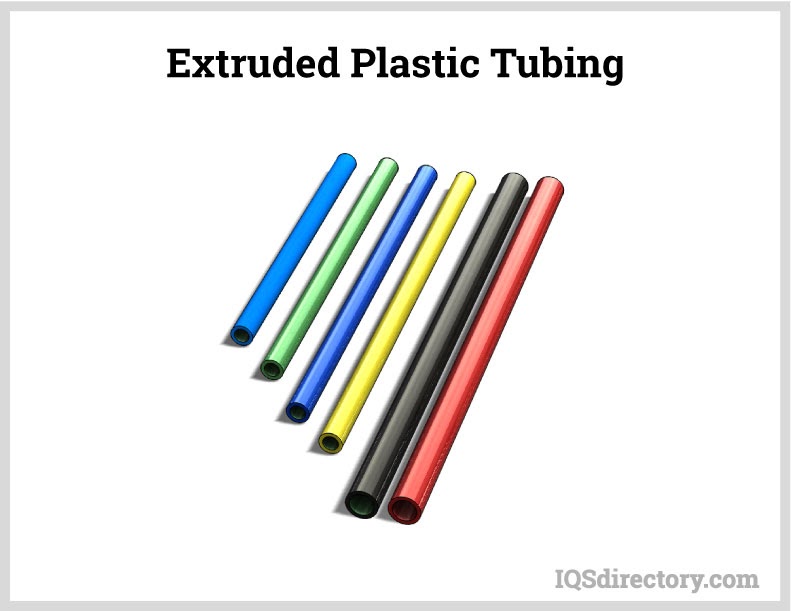
Where Is Plastic Tube Extrusion Used?
Plastic Tube Extrusion serves a wide variety of industries because tubing can be designed for different functions and operating conditions.
Automotive Applications
Plastic tubing may be used for protective sleeves, cable management, selected fluid-handling applications, and other components. Material selection should account for temperature, vibration, chemical exposure, and relevant industry requirements.
Electrical and Electronics
Tubing can help organize, separate, or protect wires and cables in suitable installations. The required insulation, flame performance, and temperature characteristics depend on the intended application.
Construction and Infrastructure
Construction projects may use plastic tubes for routing, protection, and other building-related applications. The appropriate product depends on installation conditions, exposure, and applicable standards.
Industrial Equipment
Machinery and industrial systems may incorporate plastic tubing for protective covers, air movement, selected fluid transfer applications, and component organization. Compatibility with the transported substance and operating pressure must be verified where relevant.
Lighting and Product Design
Specialized plastic tubing can also support protective enclosures, decorative components, and lighting-related designs. Applications that require light transmission may benefit from suitable transparent or translucent materials.
How to Choose the Right Tubing Manufacturer
Choosing a manufacturing partner involves more than comparing product prices. Businesses should evaluate technical capabilities, production consistency, and the manufacturer’s ability to understand the intended application.
Consider the following factors:
- Material knowledge: Confirm that the manufacturer can explain the advantages and limitations of suitable polymers.
- Customization capabilities: Discuss the required diameter, wall thickness, length, tolerances, and any special geometry.
- Quality control: Ask how dimensions and product consistency are monitored during production.
- Tooling expertise: Check whether the manufacturer can develop or adapt tooling for the required tube design.
- Production capacity: Ensure that the supplier can support expected quantities and repeat orders.
- Technical communication: Clear communication about drawings, samples, specifications, and testing requirements can help prevent costly misunderstandings.
Before placing a bulk order, provide a technical drawing or sample where possible. Include the intended operating environment and any performance requirements so the manufacturer can assess the application more accurately.
Why Choose Xtruline for Plastic Extrusion Solutions?
Finding a suitable extrusion partner can make the product development process more straightforward. Xtruline focuses on plastic profiles, tubes, sheets, and injection molding expertise to support varied product requirements.
When discussing a tubing project, businesses should communicate the intended application, material preferences, dimensional requirements, and expected order quantities. This information helps establish whether a proposed extrusion approach is suitable and what additional technical details may be needed.
A clear specification also helps align expectations regarding tooling, production feasibility, quality checks, and delivery requirements.
Whether you are developing a new industrial component or sourcing tubing for an established product, selecting the right manufacturing approach can contribute to reliable performance and efficient production.
Conclusion
Plastic tubing plays a valuable role in modern manufacturing, construction, electrical systems, automotive components, and industrial equipment. The extrusion process offers a practical way to produce continuous tubes with controlled dimensions and material characteristics.
Understanding the manufacturing stages, comparing suitable polymers, and defining application requirements are essential steps in choosing the right product. For specialized projects, customized dimensions and carefully selected materials can help achieve a better fit and more dependable results.
Looking for plastic tubing or customized extrusion solutions for your next project? Connect with Xtruline to discuss your product requirements and explore suitable plastic manufacturing options.
FAQs
It is used in applications such as cable protection, industrial equipment, automotive components, construction systems, and selected fluid-handling products, depending on the material and design.
Common materials include PVC, polyethylene, polypropylene, and polycarbonate. The best choice depends on flexibility, strength, temperature, chemical compatibility, and other application requirements.
Yes. Depending on the manufacturer’s capabilities and tooling, tubing can be produced with specified diameters, wall thicknesses, lengths, and other design features.
Consider the operating environment, required dimensions, flexibility, mechanical loads, temperature, chemical exposure, and any relevant safety or performance standards.
Provide the intended application, preferred material if known, inside and outside diameters, wall thickness, required length, estimated quantity, technical drawings, and any special performance requirements.