Aluminium Extrusion For LED Strip Lighting: The Ideal Choice for contemporary lighting
Introduction
LED strip lighting has become one of the go-to choices for residential, commercial, and industrial spaces flexible, energy-efficient, and easy to work into almost any design. But a bare LED strip stuck straight onto a surface is only half the job. For it to actually perform well and last, it needs a proper aluminium extrusion housing it.
Aluminium extrusions bring structural support, thermal management, and a clean finished look to LED strip installations from accent lighting in a living room to full architectural lighting on a building façade. This guide walks through why aluminium extrusion matters, the types available, how to choose the right one, and since this is the part most guides skip how the extrusion is actually manufactured and which alloy grade you should be looking for.
What Is Aluminium Extrusion for LED Strip Lighting?
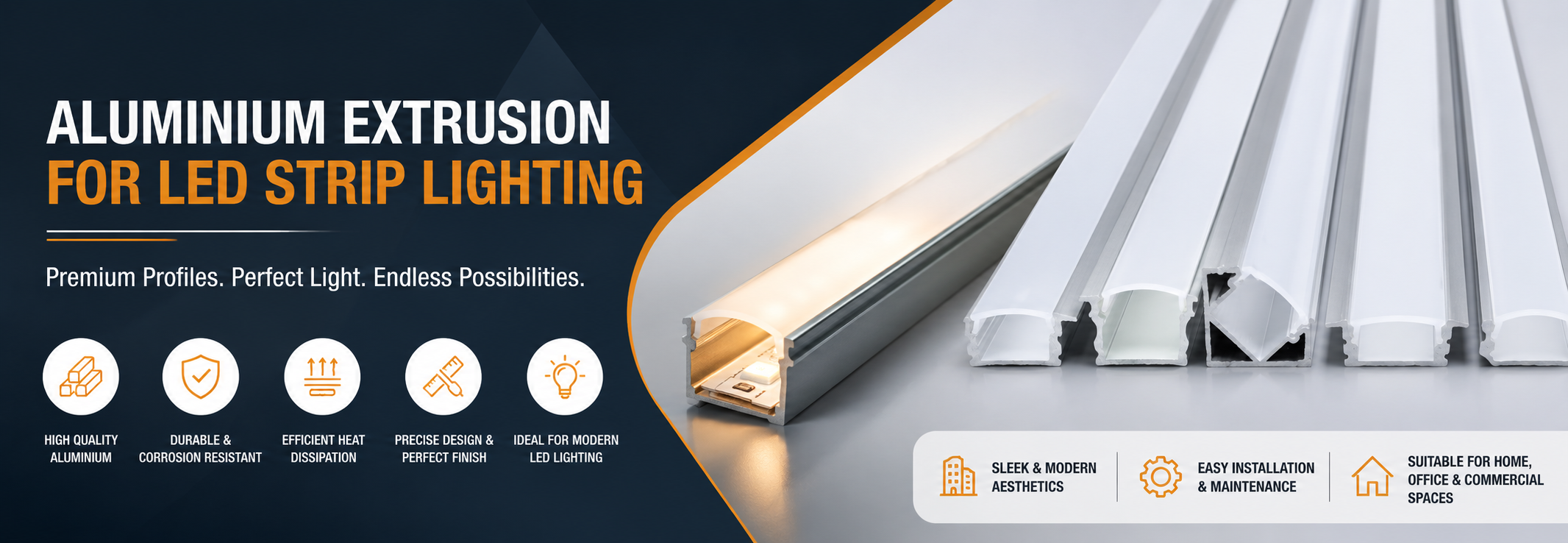
Aluminium extrusion for LED strip lighting is a profile or channel shaped specifically to house an LED strip. It’s produced through an extrusion process that forces heated aluminium through a shaped die, producing a precise, consistent cross-section along the full length of the channel.
A typical aluminium extrusion system includes:
- An aluminium channel or profile
- A diffuser cover
- End caps
- Mounting accessories
Beyond just housing the strip, the extrusion protects the LEDs and just as importantly pulls heat away from them as they operate, which directly affects how bright and how long the strip performs.
Why Aluminium Extrusion Matters for LED Strip Lighting
It’s tempting to just stick an LED strip directly onto a surface and call it done. That works in the short term, but heat management is where things go wrong over time.
- Superior Heat Dissipation: LED strips generate heat as they run, and too much of it degrades brightness and shortens component life. An aluminium profile acts as a heat sink, pulling that heat away and keeping the LEDs operating at a stable temperature.
- Better Durability: LED strips are vulnerable to dust, moisture, and the occasional bump. Housing them in an aluminium channel adds a real layer of physical protection that a bare strip simply doesn’t have.
- A More Finished Look: An exposed LED strip tends to look like exactly what it is a strip of tape with LEDs on it. An aluminium extrusion gives the installation a clean, professional finish suited to modern interiors.
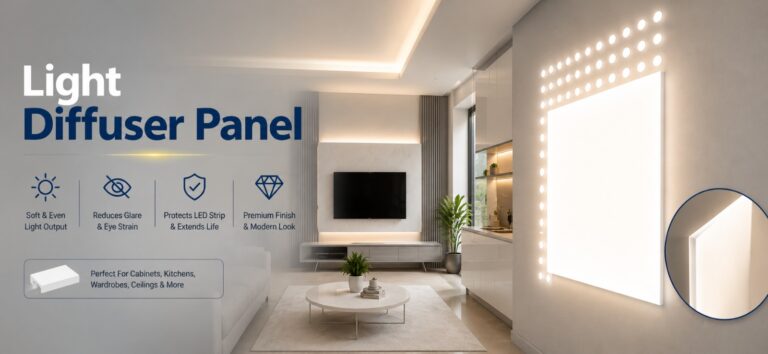
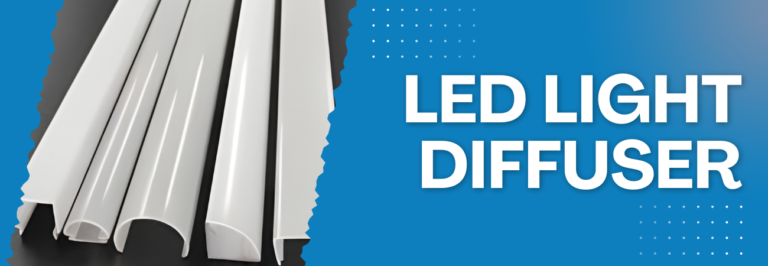
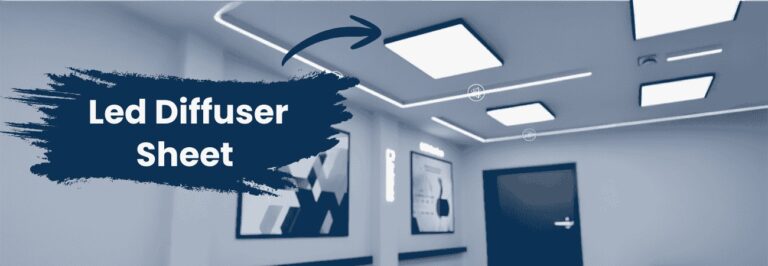
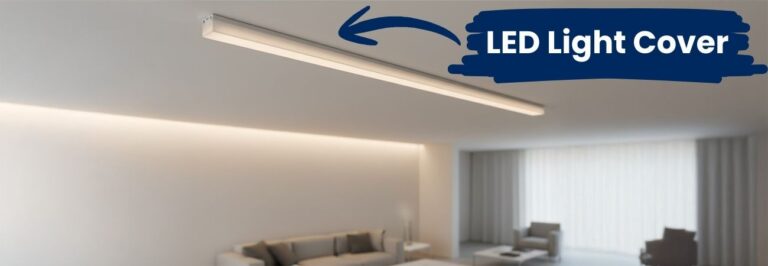
- Better Light Distribution: Most extrusions pair with a diffuser cover, which softens the individual LED points into a smooth, even line of light instead of a row of visible dots.
- Easier Installation: Aluminium channels give you a rigid, straight structure to mount against, which makes alignment and installation noticeably faster and more accurate than working with a loose strip.
Benefits of Using Aluminium Extrusion for LED Strip Lighting
- Better thermal management: Aluminium’s high thermal conductivity pulls heat away efficiently, reducing the risk of heat buildup.
- Longer LED lifespan: LEDs kept at cooler operating temperatures hold their brightness longer and degrade more slowly.
- Better energy efficiency: Cooler-running LEDs put out more usable light per watt.
- Design flexibility: Extrusions come in a wide range of shapes and sizes to suit different installation types.
- Improved safety: Properly housed wiring and connections mean less exposure and less risk of accidental damage.
Types of Aluminium Extrusion for LED Strip Lighting
- Different projects call for different profile shapes. Picking the right one has a real impact on both performance and appearance.
- Surface-Mounted Profiles: Installed directly onto a wall, ceiling, cabinet, or piece of furniture. Common in under-cabinet lighting, display lighting, accent lighting, and retail shelving.
- Recessed Profiles: Set flush into a surface for a clean, built-in look. A common choice for drywall installs, furniture integration, and modern architectural lighting.
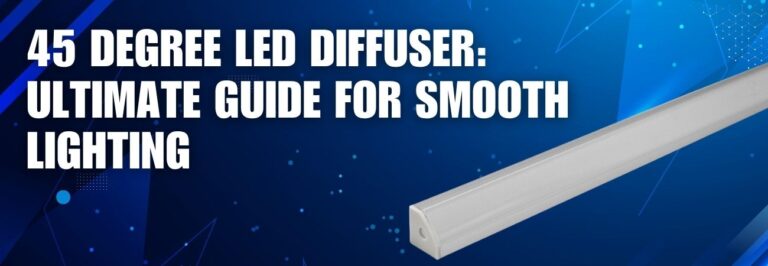
- Corner Profiles: Designed to sit in a 90-degree corner and direct light at an angle. Frequently used in kitchen cabinets, wardrobes, display units, and stair lighting.
- Suspended Profiles: Hung from a ceiling to create a clean, linear lighting line popular in offices, commercial buildings, conference rooms, and retail spaces.
- Waterproof Profiles: Built with extra sealing for moisture and environmental exposure, suited to bathrooms, outdoor installs, pool areas, and landscape lighting.
How Aluminium Extrusions Are Actually Made
This is worth understanding, because the extrusion process itself is a big part of what separates a well-made profile from a cheap one. Here’s the short version:
- Billet heating: A solid cylindrical aluminium billet is heated to somewhere around 450–500°C, hot enough to be pliable without melting.
- Extrusion through the die: The heated billet is pushed through a steel die machined into the exact cross-section of the profile (a channel shape, a corner shape, and so on), forcing the aluminium out the other side in a continuous length matching that shape.
- Cooling: The extruded profile is air- or water-cooled to lock in its shape and mechanical properties.
- Stretching and cutting: The cooled length is stretched slightly to straighten it, then cut to standard or custom lengths.
- Aging (heat treatment): Many profiles go through a further heat-treatment stage to increase hardness and strength, which is where the difference between alloy grades really starts to matter.
- Surface finishing: Most LED profiles are anodized to improve corrosion resistance and give a clean, consistent surface finish, though some are powder-coated instead for a specific color.
The precision of the die and the consistency of the cooling and aging stages are what determine how straight, strong, and dimensionally accurate the final channel is which is exactly why extrusion quality varies so much between suppliers even when two profiles look identical in a photo.
Choosing the Right Alloy: 6063 vs 6061
Not all aluminium is the same, and the alloy grade used in an extrusion has a direct effect on strength, finish, and cost.
6063 Aluminium is the industry standard for LED extrusion profiles. It extrudes cleanly into detailed, complex shapes, takes anodizing very well for a smooth finish, and offers solid corrosion resistance. It’s slightly less strong than 6061, but for the wall thicknesses used in LED channels, that difference rarely matters in practice which is why the vast majority of LED aluminium profiles on the market are made from 6063.
6061 Aluminium is stronger and more commonly used in structural and load-bearing applications think mounting brackets, structural framing, or heavy-duty industrial parts. It’s harder to extrude into fine, detailed shapes and doesn’t anodize quite as smoothly as 6063, so it’s overkill for most standard LED channel work, though it can make sense for larger, structurally demanding installations.
Applications of Aluminium Extrusion for LED Strip Lighting
- Residential Lighting: Kitchen lighting, bedroom accent lighting, living room illumination, wardrobe lighting, staircase lighting.
- Commercial Spaces: Office lighting, reception areas, meeting rooms, retail displays.
- Hospitality: Mood lighting, decorative lighting, and feature lighting for hotels, restaurants, and cafés.
- Retail Displays: Product shelves, display counters, showrooms, and exhibition booths, where good lighting has a direct effect on how a product is perceived.
- Architectural Projects: Façade lighting, cove lighting, feature walls, and ceiling designs.
Features to Look For in an LED Extrusion Profile
- Material quality: A proper aluminium grade (6063 for most applications) for strength and heat dissipation.
- Profile dimensions: Width and depth that actually match your LED strip; an oversized or undersized channel causes fitting problems.
- Diffuser type: Clear, frosted, or opal, each trading off brightness against evenness of light.
- Mounting method: Surface, recessed, suspended, or corner, chosen to match the install location.
- Environmental protection: An appropriate IP rating for outdoor or damp environments.
Installation Tips for Aluminium LED Strip Housing
- Clean and dry the mounting surface before you start.
- Measure carefully before cutting both the profile and the strip.
- Use proper connectors for reliable electrical continuity and easier future maintenance.
- Mount securely with the correct clips, brackets, or fasteners for the surface you’re working with.
- Test the LED strip before fitting the diffuser and finishing the install, so you’re not troubleshooting after everything is sealed up.
How Aluminium Extrusions Improve Lighting Quality
Left unhoused, LED strips tend to show visible dots and uneven brightness along their length. A proper aluminium housing fixes this by eliminating hotspots, reducing glare, keeping brightness consistent, and turning individual LED points into one smooth line of light which is really the whole point of using a quality extrusion in the first place.
Where LED Strip Lighting Is Headed
Aluminium extrusion systems are evolving alongside the lighting technology they house. A few trends worth watching: smart lighting integration, tunable white lighting that shifts color temperature through the day, more sophisticated RGB and RGBW color-changing setups, minimalist architectural profiles designed to disappear into the structure, and a general push toward more sustainable, recyclable lighting materials. Aluminium extrusion profiles are well positioned for all of this, since aluminium itself is highly recyclable and the channel format adapts easily to new strip technologies.
Conclusion
A good aluminium extrusion is what turns an LED strip from a fragile strip of tape into a durable, professional lighting fixture. Beyond the obvious heat dissipation and protection benefits, the alloy grade and extrusion quality behind the profile make a real difference in how long it lasts and how well it performs details that are easy to overlook but worth checking before you buy.
For high-quality aluminium LED extrusion profiles built to the right spec for your project, get in touch with Xtruline.
FAQs
1. What is the purpose of aluminium extrusion for LED strip lighting?
Aluminium extrusion provides housing, protection, and heat dissipation for LED strips, improving performance, appearance, and lifespan.
2. How does an aluminium profile LED strip light improve lighting quality?
It helps distribute light more evenly, reduces glare, minimizes visible LED dots, and creates a professional lighting finish.
3. Can LED extrusion profiles be used outdoors?
Yes. Waterproof and weather-resistant LED extrusion profiles are available for outdoor and damp-environment applications.
4. What diffuser is best for an aluminium LED strip housing?
Frosted diffusers are often preferred because they provide softer, more uniform illumination and reduce glare.
5. How long do LED strips last when installed in aluminium extrusions?
When properly installed in quality aluminium extrusions, LED strips can last significantly longer due to improved heat management, often exceeding 30,000–50,000 hours of operation.