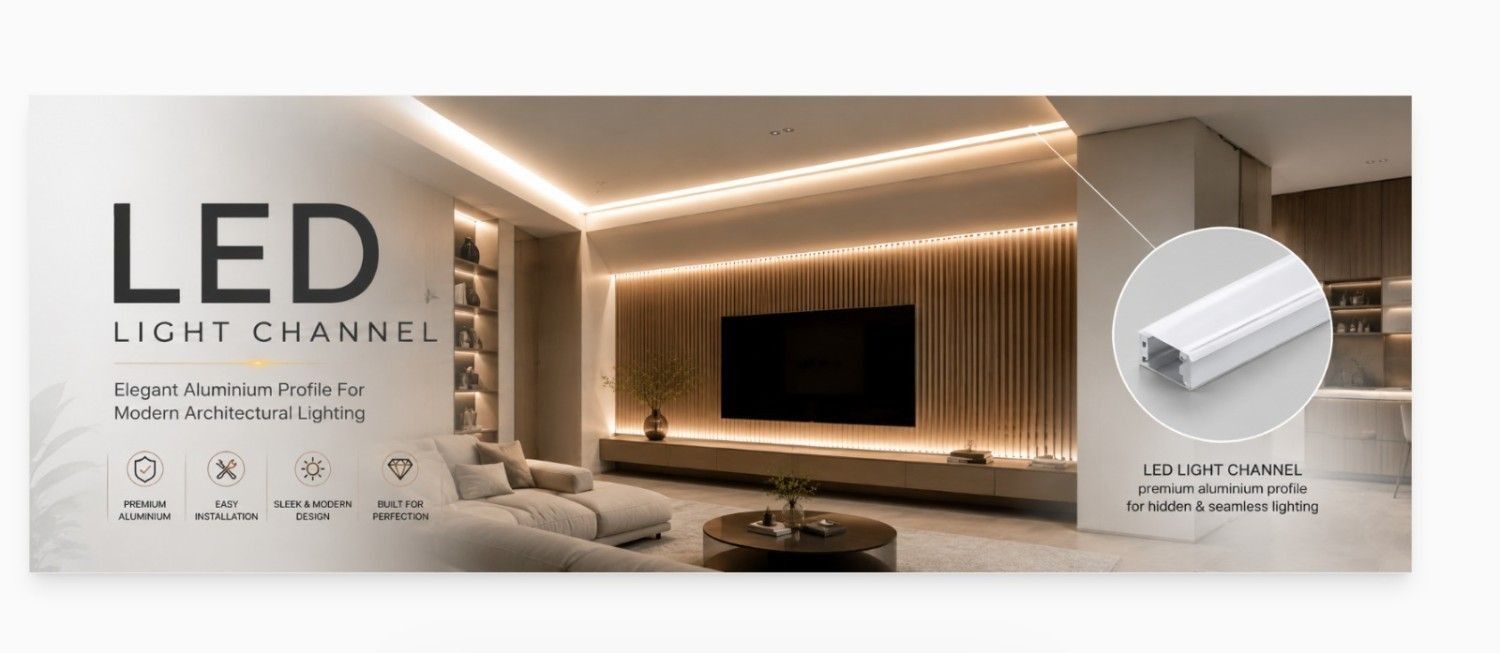
LED Light Channel: The Perfect Solution for Modern and Stylish Lighting
Introduction
Lighting plays a crucial role in enhancing the aesthetics and functionality of residential, commercial, and industrial spaces. With the growing demand for energy-efficient and visually appealing lighting solutions, the LED Light Channel has emerged as a preferred choice among architects, interior designers, and homeowners. It not only improves the appearance of LED strip lights but also increases their lifespan and performance.
If you’ve been reading around the site and noticed “channel,” “profile,” and “extrusion” used almost interchangeably, you’re not imagining it this guide includes a clear terminology breakdown below so you know exactly what each term refers to before you start comparing products.
Whether you’re designing a modern home, upgrading office lighting, or creating decorative illumination for retail spaces, LED light channels provide a clean, professional, and durable lighting solution.
What is an LED Light Channel?
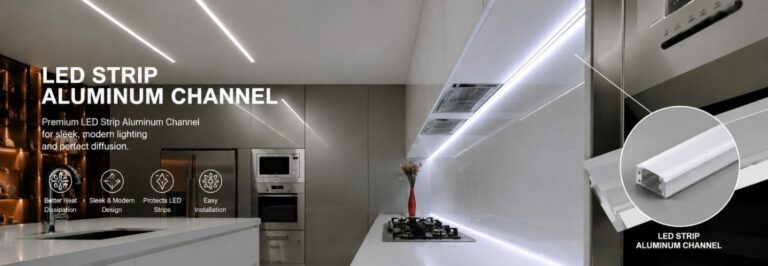
An LED Light Channel is a specially designed housing system that holds LED strip lights securely while protecting them from dust, moisture, and physical damage. Typically made from high-quality aluminum, these channels come with diffusers that help distribute light evenly, eliminating harsh glare and visible LED dots.
LED light channels are widely used in ceilings, walls, furniture, kitchens, wardrobes, staircases, display cabinets, and commercial interiors. They offer a sleek and seamless appearance while enhancing the overall lighting experience.
Terminology Clarification: Channel vs. Profile vs. Extrusion vs. Housing
These terms get used loosely across the LED lighting industry (including across our own site), so here’s what each one actually means:
| Term | What It Means | When You'll See It Used |
|---|---|---|
| Channel | The complete assembly—the aluminum body plus diffuser cover—that holds and finishes an LED strip installation. | Most commonly used in a general, buyer-facing context, such as "LED strip channel" or "aluminum channel." |
| Profile | Technically refers to the specific cross-sectional shape of the extruded aluminum body, but in marketing and casual usage it is often used interchangeably with channel. | Common in technical and architectural contexts, such as "LED profile" or "aluminum profile." |
| Extrusion | The manufacturing process (aluminum extrusion) used to produce the channel/profile body. It is sometimes used as shorthand for the finished product. | Frequently seen in manufacturer, OEM, and B2B/industrial contexts, such as "aluminum extrusion for LED strips." |
| Housing | A more generic term for the enclosure that holds the LED strip. It may refer to the aluminum body alone without necessarily including the diffuser. | Used interchangeably with channel or profile in general-purpose descriptions. |
Why Choose an LED Light Channel?
Traditional LED strip installations often expose the strips directly, which can reduce their visual appeal and make them vulnerable to damage. LED light channels solve these challenges by offering several advantages:
1. Enhanced Aesthetic Appeal
LED channels create a clean and sophisticated finish. They conceal wiring and LED strips, resulting in a modern and professional look suitable for contemporary interiors.
2. Improved Heat Dissipation
LED strips generate heat during operation. The aluminum construction of LED channels acts as a heat sink, efficiently dissipating heat and helping maintain optimal performance.
3. Increased Lifespan
By reducing heat buildup and protecting the LED strips from environmental factors, LED channels significantly extend the lifespan of lighting systems.
4. Uniform Light Distribution
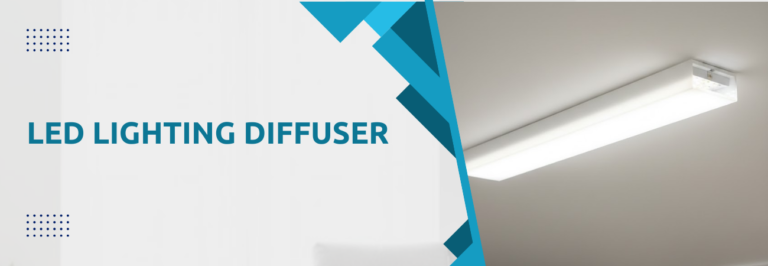
The diffuser cover softens and spreads light evenly across the surface, reducing hotspots and creating a smooth lighting effect.
5. Protection Against Damage
LED channels safeguard strips from dust, moisture, accidental impacts, and daily wear and tear, ensuring long-term reliability.
Types of LED Light Channels
LED light channels are available in various designs to suit different installation requirements.
1. Surface Mounted LED Channels
These channels are mounted directly onto walls, ceilings, cabinets, or furniture surfaces. They are easy to install and ideal for retrofit projects.
2. Recessed LED Channels
A Recessed LED channel is installed within walls, ceilings, or furniture, creating a flush and seamless appearance. These channels are highly popular in modern architectural lighting designs.
3. Corner LED Channels
Designed for installation at 45-degree angles, corner channels are commonly used in cabinets, shelves, display units, and under-cabinet lighting applications.
4. Suspended LED Channels
These channels hang from ceilings and are often used in offices, conference rooms, retail outlets, and commercial spaces to create elegant linear lighting effects.
5. Flexible LED Channels
Flexible channels can adapt to curved surfaces and unique architectural designs, making them suitable for creative lighting projects.
Understanding Aluminium LED Channel Systems
An Aluminium LED channel is one of the most widely used channel types due to its durability, strength, and thermal conductivity. Aluminum provides excellent heat management, helping LED strips maintain optimal performance over extended periods.
Benefits of Aluminium LED Channels
- Superior heat dissipation
- Lightweight yet strong construction
- Corrosion-resistant properties
- Long-lasting durability
- Professional appearance
- Easy installation and maintenance
Because of these advantages, aluminum LED channels are commonly used in homes, offices, hotels, shopping malls, and industrial facilities.
What is an LED Profile Channel?
An LED profile channel refers to a specially engineered aluminum housing designed to accommodate LED strip lights. The term is often used interchangeably with LED light channel, but it generally emphasizes the structural design and architectural integration of the lighting system see the terminology table above for the fuller breakdown.
LED profile channels are available in multiple shapes and dimensions to support different lighting applications. They are highly favored in premium interior design projects where both functionality and aesthetics are equally important.
Common Applications of LED Profile Channels
- Ceiling lighting
- Cove lighting
- Furniture illumination
- Retail displays
- Kitchen cabinets
- Staircase lighting
- Office interiors
- Hotel lobbies
- Exhibition stands
Their versatility makes LED profile channels an essential component of modern lighting design.
RGB and Tunable White Channel Compatibility
Smart, color-changing, and tunable white LED strips are increasingly common, and they place a few extra demands on the channel you pair them with:
- More wires, potentially wider channels: A standard single-color strip needs 2 wires; RGB strips need 4; RGBW (RGB plus a dedicated white channel) needs 5; and tunable white strips typically need 4 (for two white channels plus power). More wires can mean a slightly wider channel is needed to route connections cleanly, especially at joints and corners.
- Controller compatibility, not just the channel: The channel itself doesn’t restrict color functionality that’s determined by the strip and controller. But channel and diffuser choice does affect how the output looks: opal or frosted diffusers blend RGB colors more smoothly than clear ones, which can show individual red/green/blue LED points more distinctly.
- Connector considerations at joints: If you’re joining channel sections on an RGB or tunable white run (see the cutting/joining guidance on our Aluminum Channel installation guide, make sure your connectors support the full wire count a 2-wire connector won’t carry an RGB signal correctly even if it physically fits.
- Corner and suspended channels work fine with RGB/tunable strips: there’s no compatibility issue specific to channel type, just the wiring and diffuser considerations above.
Advantages of Recessed LED Channel Installations
The popularity of the Recessed LED channel continues to grow due to its sleek and minimalist appearance. Unlike surface-mounted options, recessed channels are integrated into the structure itself.
Key Benefits
Seamless Design
Recessed installations create a clean and uninterrupted visual effect, making spaces appear more sophisticated.
Space Optimization
Since the channel sits within the surface, it doesn’t protrude outward, preserving valuable space.
Architectural Integration
Recessed channels blend perfectly with contemporary interior and architectural designs.
Reduced Glare
The positioning and diffuser system help create softer and more comfortable illumination.
Higher Property Value
Premium lighting solutions often contribute to enhanced interior aesthetics and perceived property value.
Applications of LED Light Channels
LED light channels are highly versatile and can be used in numerous environments.
Residential Spaces
Homeowners use LED channels for:
- Living rooms
- Bedrooms
- Kitchens
- Bathrooms
- Wardrobes
- Staircases
- False ceilings
Commercial Buildings
Businesses install LED channels in:
- Offices
- Conference rooms
- Reception areas
- Retail stores
- Shopping malls
- Restaurants
Hospitality Industry
Hotels and resorts benefit from LED channels in:
- Guest rooms
- Hallways
- Lobbies
- Restaurants
- Lounge areas
Industrial Facilities
Manufacturing units and warehouses utilize LED channels for efficient and durable lighting systems.
Factors to Consider When Choosing an LED Light Channel
Selecting the right LED channel depends on several important factors.
1. Installation Location
Determine whether the channel will be surface-mounted, recessed, suspended, or corner-mounted.
2. Channel Material
High-quality aluminum channels offer better durability and thermal performance compared to other materials.
3. Diffuser Type
Different diffuser options provide varying levels of light diffusion, transparency, and visual comfort.
4. LED Strip Compatibility
Ensure the channel dimensions can accommodate the width and power requirements of your LED strip and, for RGB or tunable white strips, the wire count at any joints.
5. Environmental Conditions
For outdoor or humid environments, choose channels with appropriate weather-resistant features.
Installation Tips for LED Light Channels
To achieve optimal performance and appearance, follow these installation best practices:
- Measure accurately before cutting channels.
- Clean mounting surfaces thoroughly.
- Use compatible mounting accessories.
- Ensure proper wiring connections.
- Select the appropriate diffuser type.
- Test the lighting system before final installation.
- Follow manufacturer guidelines for safety and performance.
Professional installation may be recommended for large-scale or complex projects. For a full step-by-step walkthrough including cutting, joining, and power supply sizing, see our installation-focused guide.
Future Trends in LED Light Channel Technology
As lighting technology evolves, LED channels continue to advance with innovative features.
Emerging trends include:
- Smart lighting integration
- Tunable white lighting systems
- RGB color-changing solutions
- Ultra-slim channel designs
- Sustainable materials
- Enhanced diffuser technologies
- Custom architectural lighting profiles
These developments are enabling more creative and energy-efficient lighting applications across various industries.
Conclusion
The LED Light Channel has become an indispensable component of modern lighting systems. By combining protection, heat management, aesthetic appeal, and efficient light distribution, it significantly enhances the performance and appearance of LED strip lighting.
Whether you choose an Aluminium LED channel, an LED profile channel, or a Recessed LED channel and whatever term your supplier happens to use for it these solutions offer exceptional versatility and long-term value. From residential interiors to commercial and architectural projects, LED light channels continue to redefine how lighting is integrated into contemporary spaces.
Investing in high-quality LED channels not only improves illumination but also elevates the overall design and functionality of any environment.
FAQs
1. What is the purpose of an LED Light Channel?
An LED Light Channel protects LED strip lights, improves heat dissipation, provides uniform light distribution, and enhances the overall appearance of lighting installations.
2. Why is an Aluminium LED channel preferred for LED strips?
An Aluminium LED channel offers excellent heat dissipation, durability, corrosion resistance, and extended LED lifespan, making it ideal for professional lighting applications.
3. Where can a Recessed LED channel be installed?
A Recessed LED channel can be installed in ceilings, walls, floors, furniture, cabinets, and architectural structures to create seamless and elegant lighting effects.
4. What is the difference between an LED profile channel and a standard LED channel?
An LED profile channel generally refers to architecturally designed aluminum housings that integrate LED strips into interiors while providing structural and aesthetic benefits.
5. Do LED light channels improve lighting quality?
Yes. LED light channels use diffuser covers to distribute light evenly, reduce glare, eliminate visible LED dots, and create a more comfortable lighting experience.