Aluminum Profile For LED Strip Lighting: The Ultimate Guide to Modern Illumination
Introduction
Today, LED strip lighting is widely used in homes, offices, retail stores, and architectural spaces for its flexibility, efficiency, and aesthetic appeal. However, to truly maximize the performance and lifespan of LED strips, using an aluminum profile for LED strip lighting is essential.
This blog explores everything you need to know about aluminum LED profiles their benefits, applications, types, wattage-based sizing, finish options, and sourcing considerations for the Indian market.
What is an Aluminum Profile for LED Strip Lighting?
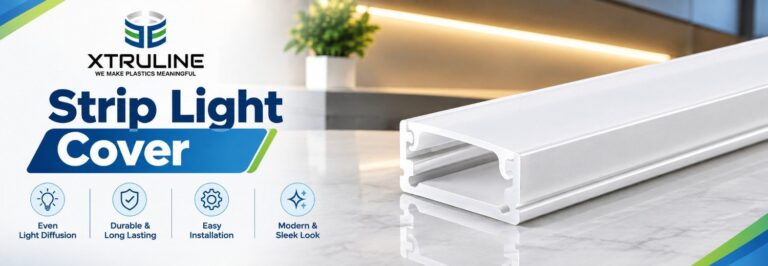
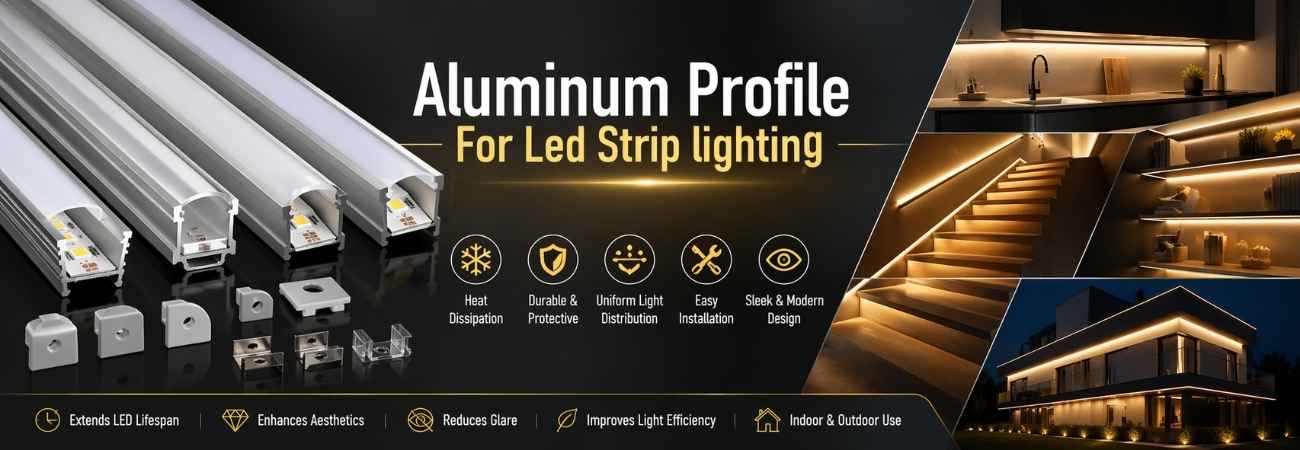
An aluminum profile for LED strip lighting is a specially designed housing made of aluminum that holds LED strip lights securely. It usually comes with a diffuser cover that softens the light and creates a uniform glow.
Also known as an LED aluminum channel, aluminum LED profile, or LED mounting profile, these fixtures enhance both the functionality and appearance of LED strips.
Why Use Aluminum Profiles for LED Strips?
Many people install LED strips directly onto surfaces, but this can reduce their lifespan and visual appeal. Here’s why aluminum profiles are important:
1. Heat Dissipation
LED strips generate heat over time. Aluminum acts as a heat sink, dissipating heat effectively and extending the life of the LEDs.
2. Enhanced Durability
An aluminum LED profile protects strips from dust, moisture, and physical damage, making them more durable.
3. Improved Aesthetics
Profiles give a clean, professional finish, hiding wires and creating a sleek lighting effect.
4. Uniform Light Distribution
With a diffuser, the light appears smooth and glare-free, eliminating visible LED dots.
5. Easy Installation
Most LED mounting profiles are designed for easy installation with clips, screws, or adhesive backing.
Types of Aluminum LED Profiles
Choosing the right aluminum profile depends on your lighting needs and installation area.
1. Surface Mounted Profiles
These are mounted directly onto flat surfaces like walls, ceilings, or cabinets. They are ideal for general lighting applications.
2. Recessed Profiles
Installed inside grooves or cut-outs, these profiles offer a seamless, flush finish. Perfect for modern interiors.
3. Corner Profiles
Designed to fit into corners, these provide angled lighting, commonly used in cabinets and shelves.
4. Suspended Profiles
Hung from ceilings using wires, these profiles are great for office spaces and decorative lighting.
5. Waterproof Profiles
Used for outdoor or moisture-prone areas like bathrooms and kitchens.
Key Components of an Aluminum LED Profile
An aluminum LED profile is not just a simple channel. It consists of several components:
- Aluminum Channel: The main body that houses the LED strip
- Diffuser Cover: Usually made of acrylic or polycarbonate, it softens the light
- End Caps: Close the ends of the profile for a neat finish
- Mounting Clips: Help secure the profile in place
Applications of Aluminum LED Profiles
The versatility of aluminum LED profiles makes them suitable for a wide range of applications:
Residential Lighting
- Under-cabinet kitchen lighting
- Bedroom ambient lighting
- Staircase illumination
- Wardrobe lighting
Commercial Spaces
- Retail display lighting
- Office ceiling lighting
- Showroom highlights
Architectural Lighting
- Cove lighting
- Wall grooves
- Ceiling designs
Outdoor Use
- Garden lighting
- Building facades
- Pathway illumination
Advantages of LED Aluminum Channels
Using an LED aluminum channel provides several benefits:
- Extends LED lifespan
- Provides a premium finish
- Reduces glare
- Improves light efficiency
- Protects against environmental factors
How to Choose the Right Aluminum LED Profile
Selecting the right profile can significantly impact your lighting results. Here are key factors to consider:
1. Size and Compatibility
Ensure the profile width matches your LED strip size.
2. Wattage and Power Density
This is the factor most buyers overlook. A profile that’s the right width for your strip can still be the wrong depth if the strip runs hot more watts per meter means more heat that needs to be pulled away, and that requires more aluminum surface area, not just a wider channel.
| LED Strip Power Density | Recommended Profile Type | Why |
|---|---|---|
| Low power (under ~5W/m) | Slim/low-profile channels (8–10mm depth) | Minimal heat generated; a compact profile provides sufficient heat dissipation. |
| Medium power (~5–10W/m) | Standard profiles (12–16mm depth) with reasonable wall thickness | Balances heat sink surface area with a practical, unobtrusive size for most residential and commercial installations. |
| High power (~10–15W/m and above, including COB and dense multi-row strips) | Deep or wide profiles (17mm+) | Higher-wattage strips generate significantly more heat; undersized profiles can shorten LED lifespan even if the strip physically fits. |
3. Diffuser Type
- Clear: Maximum brightness
- Frosted: Soft, diffused light
- Opal: Best for uniform lighting
4. Installation Type
Choose between surface, recessed, or suspended based on your design.
5. Material Quality
High-quality aluminum ensures better heat dissipation and durability.
6. Application Area
Indoor or outdoor usage will determine whether you need waterproof profiles.
Anodized vs. Powder-Coated Finish: Which Should You Choose?
Both finishes protect the aluminum, but they perform differently and the choice affects more than just looks.
| Aspect | Anodized | Powder-Coated |
|---|---|---|
| Process | Electrochemical process that thickens and hardens the aluminum's natural oxide layer. | Dry powder applied and cured, forming a coating on top of the aluminum surface. |
| Durability | Highly scratch- and wear-resistant; the finish is part of the metal itself. | Good durability, but more prone to chipping on impact since the coating sits on the surface. |
| Heat Dissipation | Slightly better; the thin oxide layer barely affects thermal performance. | Slightly reduced; the coating adds a thin insulating layer, though the difference is generally minor for typical LED loads. |
| Color Range | Limited—typically silver, bronze, black, and a few metallic tones. | Much wider range; nearly any color can be powder-coated to match design requirements. |
| Typical Cost | Generally higher. | Generally more affordable, especially for custom colors. |
Installation Tips for LED Mounting Profiles
Proper installation ensures long-lasting performance:
- Clean the surface before mounting
- Use proper connectors for wiring
- Ensure correct alignment of LED strips
- Secure the profile with clips or screws
- Test the lighting before final installation
Maintenance and Care
Maintaining your aluminum LED profile is simple:
- Clean the diffuser regularly to maintain brightness
- Check for loose connections
- Avoid excessive moisture if not waterproof
- Replace damaged diffusers if needed
Sourcing and Pricing Context for the Indian Market
For buyers and dealers sourcing aluminum LED profiles in India, a few factors typically drive cost and availability more than anything else:
- Alloy and extrusion grade: Profiles using proper extrusion-grade aluminum alloys cost more than generic or recycled-content aluminum, but hold dimensional tolerance and finish quality better over time.
- Finish type: As covered above, anodized generally costs more than powder-coated, and custom colors add further cost and lead time.
- Order volume: Like most extruded products, per-unit pricing improves meaningfully at bulk order quantities compared to small retail-level purchases.
- Domestic vs. imported: India has a well-established domestic aluminum extrusion industry, and domestically sourced profiles typically offer better lead times and lower landed cost than imported alternatives, though imported profiles are sometimes chosen for specific finish or tolerance requirements.
Why Aluminum Profiles Are Essential for LED Lighting
Without a proper housing, LED strips can overheat, lose brightness, and look unprofessional. An aluminum LED profile not only enhances the performance but also elevates the overall lighting design.
Whether you are designing a modern home, upgrading office lighting, or working on a commercial project, investing in a high-quality LED mounting profile sized correctly for your strip’s wattage is a smart decision.
Future Trends in LED Profile Lighting
The demand for sleek and energy-efficient lighting is growing rapidly. Some emerging trends include:
- Smart LED profiles with app control
- Ultra-slim designs for minimalistic interiors
- Integrated motion sensors
- Customizable color temperature options
These innovations are making aluminum LED profiles even more versatile and essential.
Conclusion
An aluminum profile for LED strip lighting is more than just an accessory it’s a crucial component that enhances performance, durability, and design. From improving heat dissipation to creating a polished lighting effect, these profiles are indispensable in modern lighting solutions.
Getting the right one comes down to matching three things: profile width to strip width, profile depth to strip wattage, and finish type to your durability and design needs. By choosing the right LED aluminum channel, aluminum LED profile, or LED mounting profile, you can transform ordinary LED strips into a sophisticated lighting system that adds value to any space.
FAQs
1. What is the purpose of an aluminum profile for LED strip lighting?
An aluminum profile helps in heat dissipation, protects LED strips, and improves the overall lighting appearance with a clean finish.
2. Can I install LED strips without an aluminum LED profile?
Yes, but it is not recommended as it may reduce the lifespan of the LEDs and result in uneven lighting.
3. Which diffuser is best for LED aluminum channels?
Frosted or opal diffusers are ideal for achieving smooth and uniform light distribution.
4. Are aluminum LED profiles suitable for outdoor use?
Yes, but you need waterproof profiles specifically designed for outdoor environments.
5. What profile size do I need for high-wattage LED strips?
Check your strip’s wattage-per-meter rating first. For strips above roughly 10W/m including COB and dense multi-row strips go with a deep or wide profile (17mm or more) with thicker aluminum walls, since the extra surface area is needed to dissipate the additional heat. See the wattage sizing table above for the full breakdown.