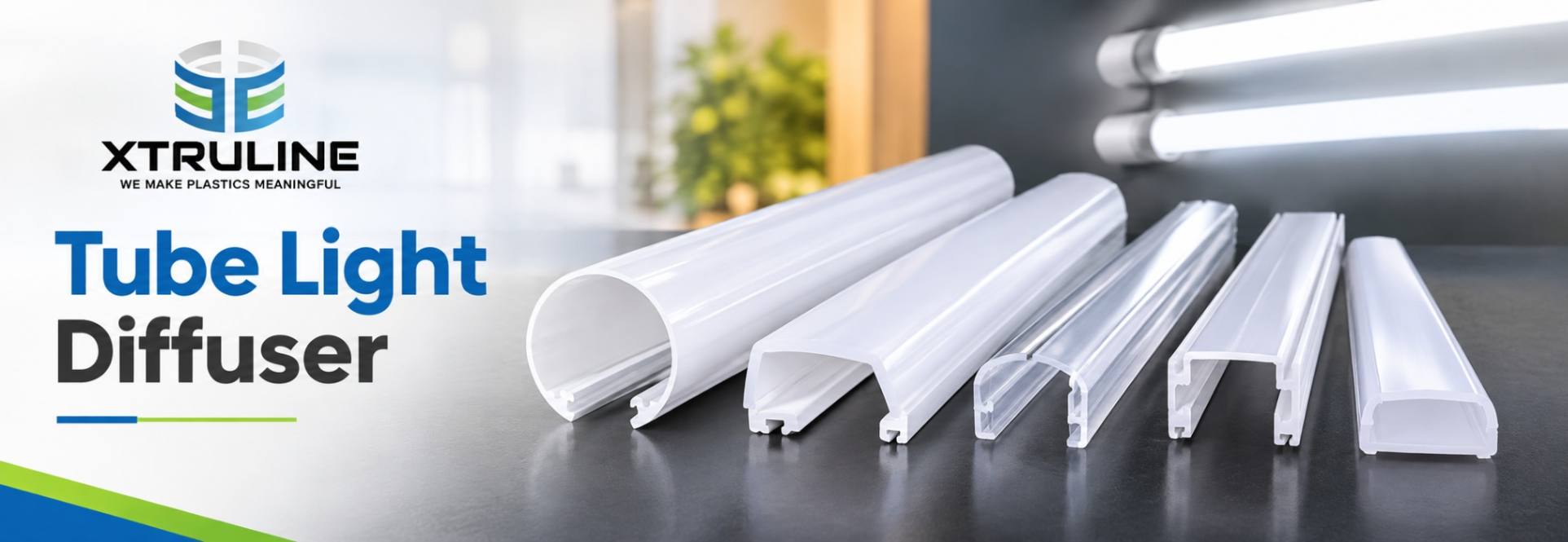
What Is a Tube Light Diffuser and Why Is It Important for Modern LED Lighting?
Introduction
Lighting has changed significantly with the development of LED technology. Today, LED fixtures are used in homes, offices, retail stores, hospitals, factories, hotels, and commercial buildings because they offer efficient illumination and flexible design possibilities. However, producing good-quality light is not simply about choosing powerful LEDs. The way that light is distributed also matters.
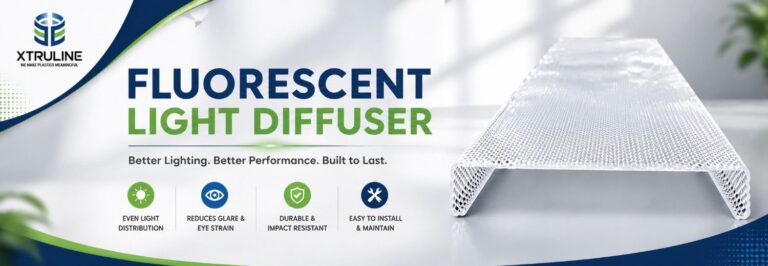
This is where a tube light diffuser becomes an important part of a lighting system. A well-designed diffuser can soften direct LED output, reduce uncomfortable glare, and create a more uniform appearance. It can also protect internal lighting components while giving the finished fixture a clean and professional look.
What Is a Tube Light Diffuser?
A tube light diffuser is a translucent or semi-translucent component placed around or in front of a light source. Its purpose is to control how light travels from the LEDs into the surrounding environment.
LEDs can produce concentrated points of brightness. When viewed directly, these points may appear harsh or create unwanted glare. A diffuser scatters and spreads the light, helping create a smoother visual effect.
Diffusers can be manufactured in different materials, shapes, thicknesses, and finishes. Polycarbonate and acrylic are among the materials commonly considered for lighting applications. The right choice depends on the desired optical performance, mechanical properties, dimensions, and operating conditions.
Why Is a Diffuser Important for LED Lighting?
LED technology offers excellent efficiency, but the small size and high intensity of individual LED chips can sometimes create visible hotspots. This is particularly noticeable in linear and tubular lighting products.
A suitable LED Tube Light Diffuser helps distribute the light more consistently across the fixture. Instead of allowing concentrated LED points to dominate the appearance, the diffuser helps create a softer and more balanced output.
Depending on its design, a diffuser can provide several benefits:
- Improved light uniformity
- Reduced direct glare
- Better visual comfort
- Protection from dust and accidental contact
- Improved fixture appearance
- Greater freedom in lighting design
For commercial and architectural lighting, these advantages can make a noticeable difference in the overall quality of an installation.
How Does an LED Tube Diffuser Work?
The working principle is straightforward. Light emitted by the LEDs enters the diffuser material. Some of the light passes through while another portion is scattered by the material or its surface structure.
The amount of scattering depends on the diffuser’s material, thickness, surface treatment, and optical characteristics. The distance between the LEDs and diffuser can also influence the final appearance.
For example, a diffuser designed for closely spaced LEDs may need different optical characteristics from one used with widely spaced LED chips. Therefore, diffuser selection should consider the complete lighting assembly rather than looking at the diffuser independently.
Choosing the Right Diffuser Material
Material selection is one of the most important decisions when developing a lighting product.
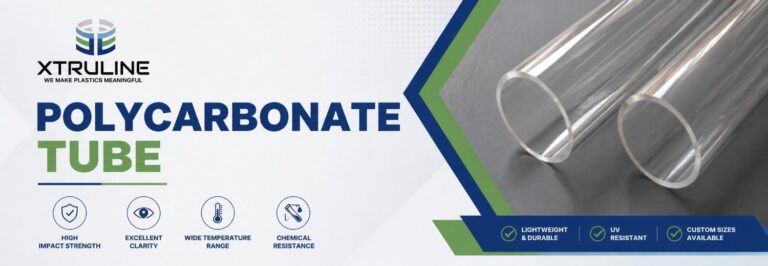
Polycarbonate is often considered for applications where impact resistance, durability, and dimensional stability are important. It can also be extruded into customized profiles, making it useful for tubular and linear lighting designs.
Acrylic may be preferred for applications where optical clarity and appearance are major priorities. However, the final selection should depend on the intended environment and performance requirements.
Before choosing a material, manufacturers should consider:
- Required light transmission
- Desired diffusion level
- Operating temperature
- Impact resistance
- UV exposure
- Required dimensions
- Surface appearance
- Installation method
A properly selected material can help achieve the desired combination of optical and mechanical performance.
Tube Light Cover and Diffuser: What’s the Difference?
The terms diffuser and cover are often used together in lighting, but they can have slightly different purposes.
A diffuser is mainly designed to manage and distribute light. A cover may have a broader protective and aesthetic role. An LED Tube Light Cover can help conceal internal LED components while protecting the lighting assembly from dust, handling, and minor physical contact.
In many modern lighting products, one component can perform both functions. It can diffuse the light while also acting as the external cover of the fixture.
The ideal design depends on the product’s construction, installation environment, and visual requirements.
Important Factors When Selecting a Diffuser
Choosing the right product involves more than matching the tube diameter. Several factors can influence performance.
Light Transmission
A diffuser should provide an appropriate balance between light transmission and diffusion. Excessive diffusion may affect useful light output, while insufficient diffusion may leave visible hotspots.
Diffusion Performance
Different applications require different levels of light scattering. Offices may prioritize comfortable illumination, while retail or decorative fixtures may focus more heavily on appearance.
Mechanical Strength
The diffuser may need to withstand transportation, installation, vibration, or accidental impact. Material strength should therefore match the intended application.
Temperature Resistance
LED fixtures generate heat during operation. The selected material should be suitable for the expected temperature range of the lighting assembly.
Profile Dimensions
The diffuser needs to fit accurately with the LED board, housing, end caps, mounting system, and other components. Custom extrusion can provide greater flexibility when standard sizes are unsuitable.
Where Are LED Tube Diffusers Used?
An LED Tube Diffuser can be used across a wide range of lighting applications. Common examples include offices, homes, retail outlets, hospitals, schools, hotels, restaurants, warehouses, factories, and commercial buildings.
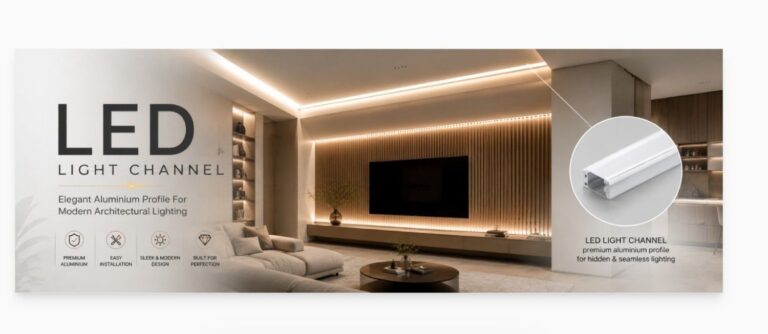
They are also useful in architectural and decorative lighting where a clean, continuous appearance is required.
For businesses developing their own lighting products, customized diffuser profiles can help create a distinctive appearance while meeting specific functional requirements.
Why Consider Custom Extrusion?
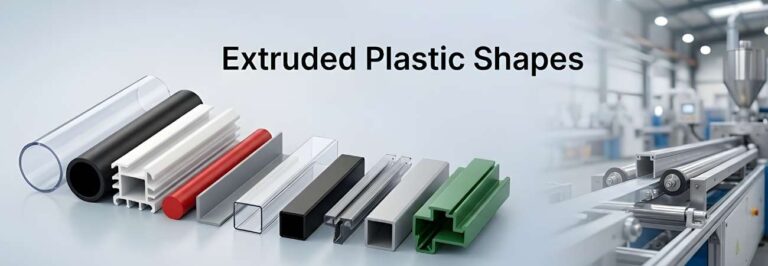
Standard profiles do not always provide the exact dimensions or design required for a particular lighting product. Custom extrusion allows manufacturers to develop profiles according to their specific requirements.
A custom profile can be designed around the LED board, fixture dimensions, mounting arrangement, desired light distribution, and installation method. This flexibility can be particularly valuable for OEMs, lighting manufacturers, architects, and product designers.
Custom extrusion can also support consistent production when a lighting company needs the same profile across large quantities of fixtures.
Conclusion
A tube light diffuser is more than a simple covering for an LED fixture. It can influence light distribution, visual comfort, fixture appearance, and product durability. Selecting the appropriate material, finish, dimensions, and diffusion characteristics can therefore have a significant impact on the final lighting product.
As LED lighting continues to expand into residential, commercial, industrial, and architectural applications, customized diffuser profiles can provide manufacturers with greater design flexibility.
If you are looking for customized plastic extrusion solutions for your lighting project, connect with Xtruline today and discuss your profile requirements with the team.
FAQs
Its main purpose is to distribute LED light more evenly, soften harsh brightness, reduce glare, and improve the overall appearance of a lighting fixture.
Polycarbonate and acrylic are commonly considered. The appropriate material depends on factors such as light transmission, impact resistance, temperature, UV exposure, and the intended application.
A diffuser can affect light transmission because some light is scattered by the material. However, a properly designed diffuser can provide a good balance between brightness and comfortable illumination.
Yes. Custom extrusion can produce profiles with specific dimensions, shapes, finishes, and installation features according to the lighting manufacturer’s requirements.
Consider the tube dimensions, material, light transmission, diffusion requirements, temperature conditions, mechanical strength, installation method, and desired appearance before selecting a cover.