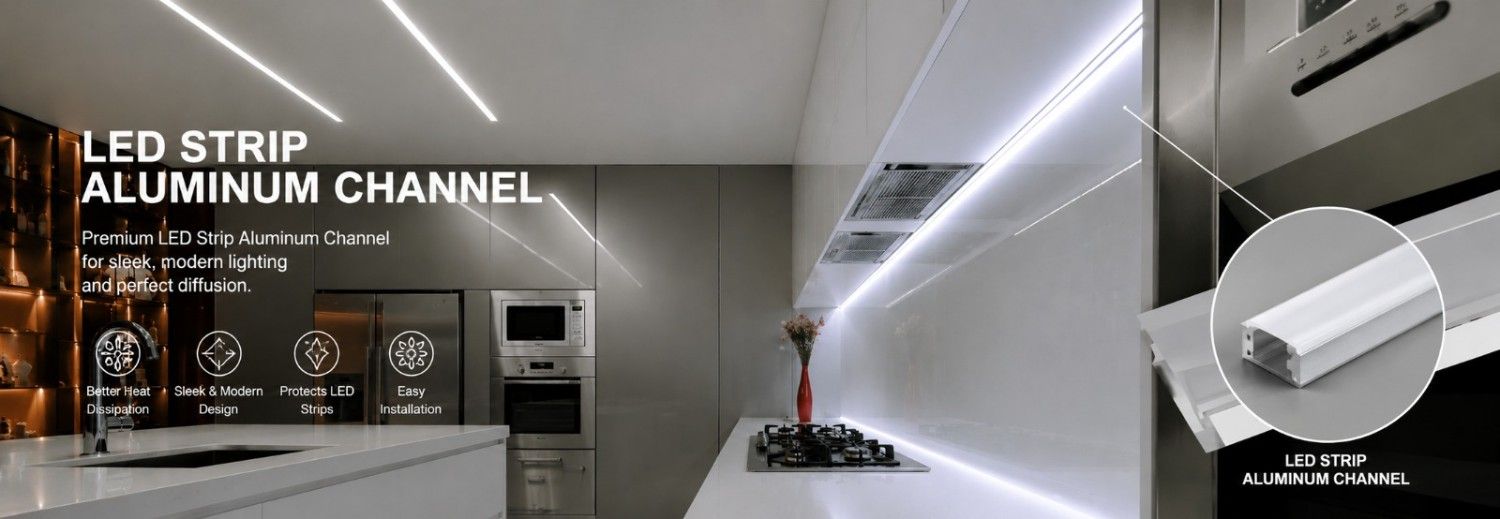
Led Strip Aluminum Channel: The Smart Choice for Modern Lighting Solutions
Introduction
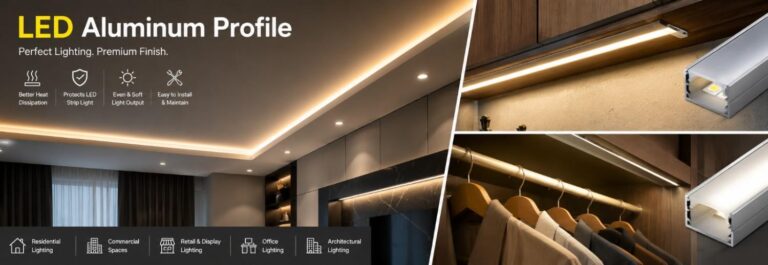
Lighting plays a major role in enhancing the appearance, comfort, and functionality of residential and commercial spaces. Among the latest lighting accessories gaining popularity, the Led Strip Aluminum Channel stands out as an essential component for modern LED installations. Whether you are designing ambient lighting for homes, offices, retail stores, kitchens, or architectural projects, aluminum channels help improve the durability, appearance, and performance of LED strip lights.
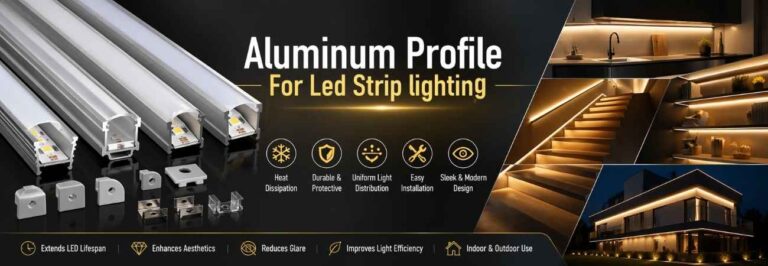
A Led Strip Aluminum Channel is more than just a mounting accessory. It provides heat dissipation, protects LED strips from dust and moisture, and creates a clean and professional lighting finish. With increasing demand for sleek lighting systems, these channels are now widely used in interior decoration, furniture lighting, display shelves, staircases, false ceilings, and under-cabinet lighting.
This guide goes deeper than most on the practical, hands-on side installation steps, cutting and joining technique for longer runs, and power supply pairing alongside the benefits, applications, and types you’d expect from a channel guide.
What is a Led Strip Aluminum Channel?
A Led Strip Aluminum Channel is a specially designed housing made from high-quality aluminum that holds and protects LED strip lights. It usually comes with a diffuser cover that softens the light output and creates a uniform glow.
The channel acts as a protective casing while also helping to dissipate heat generated by LED strips. This improves the overall lifespan and efficiency of the lighting system.
Most aluminum channels include:
- Aluminum profile body
- Diffuser cover
- Mounting clips
- End caps
These components work together to provide a secure, attractive, and long-lasting LED lighting solution.
Benefits of Using Led Strip Aluminum Channel
1. Better Heat Dissipation
One of the biggest advantages of using an LED aluminum profile is efficient heat management. LED strip lights produce heat during operation, and excess heat can reduce their lifespan. Aluminum channels absorb and dissipate heat effectively, ensuring the LED strips perform efficiently for years.
2. Professional and Elegant Appearance
An exposed LED strip may look untidy in premium interiors. A Led Strip Aluminum Channel hides wiring and gives lighting installations a neat and modern appearance. It enhances the overall aesthetics of residential and commercial spaces.
3. Protection Against Dust and Damage
LED strips are delicate and can be affected by dust, moisture, and accidental impact. Aluminum channels provide a protective enclosure, increasing durability and minimizing maintenance.
4. Uniform Lighting Output
Using a led strip light channel diffuser helps eliminate harsh LED spots and creates smooth, diffused illumination. This improves visual comfort and gives the lighting a premium look.
5. Increased Lifespan of LED Strips
By protecting LED strips and controlling heat, aluminum channels help maximize the lifespan of lighting systems. This reduces replacement costs and improves long-term performance.
Popular Applications of Led Strip Aluminum Channel
Led Strip Aluminum Channels are widely used across multiple industries and interior applications.
1. Residential Lighting
Homeowners use LED channels for:
- False ceiling lighting
- Under-cabinet kitchen lighting
- Staircase illumination
- Wardrobe lighting
- Bedroom ambient lighting
- TV unit backlighting
2. Commercial Spaces
Commercial establishments benefit from clean and professional lighting designs. Common applications include:
- Retail stores
- Shopping malls
- Hotels
- Restaurants
- Office workstations
- Reception areas
3. Architectural and Decorative Lighting
Architects and interior designers often use LED light channel systems for modern decorative effects. These channels help create sleek lines of light that enhance architectural features.
4. Furniture Lighting
Furniture manufacturers integrate LED channels into cabinets, shelves, mirrors, and display units to achieve premium visual appeal.
Types of Led Strip Aluminum Channels
Different lighting projects require different channel designs. Here are some commonly used types:
1. Surface Mounted Aluminum Channels
These channels are mounted directly on walls, ceilings, or furniture surfaces.
2. Recessed Aluminum Channels
Recessed channels are installed inside walls, ceilings, or furniture grooves for a flush and seamless appearance.
3. Corner Aluminum Channels
Corner channels are designed for 90-degree angle installations. They are commonly used under cabinets and in corners to direct light efficiently.
4. Suspended Aluminum Channels
These channels hang from ceilings and are often used in offices, commercial interiors, and modern architectural projects.
5. Flexible Aluminum Channels
Flexible profiles are suitable for curved or customized lighting designs where standard channels cannot fit.
6. Waterproof Aluminum Channels
For outdoor lighting, bathrooms, kitchens near sinks, or any humid environment, waterproof channels use sealed housings and gasket-fitted diffuser covers to keep moisture out.
- IP65 is the practical minimum for genuinely outdoor installations dust-tight and resistant to water jets.
- IP44 can work for semi-covered outdoor areas or splash-prone indoor spots (like near a kitchen sink), but isn’t sufficient for direct rain exposure.
- IP67/IP68 is worth considering for anything near standing water pool surrounds, fountains, heavy direct rain exposure.
Standard (non-waterproof) channels are fine for the vast majority of dry indoor installations don’t pay extra for a waterproof rating you don’t need, but don’t skip it where moisture genuinely is a factor.
Importance of a LED Strip Light Channel Diffuser
The diffuser is an important component of the aluminum channel system. It covers the LED strip and helps spread light evenly.
Benefits of a diffuser include:
- Soft and comfortable lighting
- Reduced glare
- Better light distribution
- Protection against dust
- Enhanced visual appearance
Diffusers are available in different finishes such as:
- Frosted diffuser
- Clear diffuser
- Milky diffuser
- Black diffuser
Choosing the right diffuser depends on the desired lighting effect and project requirements.
How to Install a Led Strip Aluminum Channel
Installing a Led Strip Aluminum Channel is simple when done correctly. Follow these basic steps:
Step 1: Measure the Installation Area
Measure the space where the channel will be installed to ensure accurate cutting and fitting.
Step 2: Cut the Aluminum Profile
Use appropriate cutting tools to trim the channel according to the required length. For runs longer than a single standard channel length, see the joining technique below.
Step 3: Mount the Channel
Fix the channel using screws, mounting clips, or adhesive depending on the installation surface.
Step 4: Insert the LED Strip
Place the LED strip carefully inside the aluminum profile and ensure proper alignment.
Step 5: Attach the Diffuser Cover
Secure the diffuser onto the channel to achieve smooth and uniform lighting.
Step 6: Connect Power Supply
Connect the LED strip to the driver or power source and test the lighting system. See the power supply pairing section below for how to size this correctly.
Cutting and Joining Aluminum Channels for Long Runs
Aluminum channels typically come in standard lengths (often around 2m–3m), so runs longer than that need to be joined and doing this cleanly matters both for appearance and for keeping the LED strip’s electrical connection intact.
Cutting the Channel
- Use a hacksaw or fine-tooth metal cutting blade aluminum cuts cleanly with the right blade; avoid tools meant for wood or plastic, which can leave a rough, burred edge.
- Deburr the cut edge with a file or fine sandpaper before inserting the LED strip a sharp burr can damage the strip or create an uneven surface under the diffuser.
- Cut before inserting the LED strip, not after trying to cut around an already-installed strip risks damaging it.
Joining Two Channel Lengths
- Use manufacturer-matched connector brackets designed for your specific channel profile these keep the joint structurally aligned and visually clean, unlike improvised joins.
- Join the LED strip separately from the housing. Solder or use a solderless connector to join the strip circuit itself first, ensuring continuous power and signal, then align the channel housings around the joined strip.
- Plan the joint location. Position joins away from tight corners or high-visibility focal points where possible a straight run section hides a joint far better than a spot right at a corner transition.
- For outdoor or waterproof runs, reseal the joint with waterproof sealant or a rated connector kit cutting or joining a sealed channel breaks the factory seal at that point unless it’s properly resealed, which can compromise the whole run’s IP rating otherwise.
Power Supply and Driver Pairing
Getting the power supply right is as important as getting the channel size right an undersized driver will underperform or fail, while a wildly oversized one is just wasted cost.
- Match total wattage, with headroom. Add up your total LED strip length × its watts-per-meter rating, then choose a driver rated for at least 20% more than that total. This headroom protects the driver from running at full capacity constantly, which extends its working life.
- Match voltage type. Most LED strips run on 12V or 24V DC check your specific strip’s rating and use a driver that matches exactly. Using the wrong voltage can damage the strip or cause it to run dim/underpowered.
- Account for voltage drop on long runs. On longer strip runs, voltage can drop noticeably by the far end, causing dimming or color shift along the run. For long installations, consider powering from both ends or using a higher-voltage strip system designed for longer runs.
- Choose IP-rated drivers for outdoor or wet-area installations, matching the same logic as the channel itself a waterproof channel paired with a non-waterproof driver still leaves a weak point in the system, just at the power supply instead of the channel.
Why LED Aluminum Profiles are Popular in Modern Interiors
Modern interior design focuses on clean lines, minimalism, and energy efficient solutions. LED aluminum profiles perfectly complement these trends by providing stylish and functional lighting installations.
Some reasons behind their growing popularity include:
- Energy-efficient lighting support
- Sleek and modern aesthetics
- Long-lasting performance
- Flexible installation options
- Compatibility with smart lighting systems
- Easy maintenance
From luxury homes to commercial buildings, aluminum channels have become an essential part of contemporary lighting design.
Choosing the Right LED Light Channel
Selecting the right LED light channel depends on several factors.
Consider the Installation Location
Choose surface-mounted, recessed, or corner profiles depending on the installation area.
Check Channel Size
Ensure the aluminum channel can accommodate the width of your LED strip.
Select the Right Diffuser
Pick a diffuser type based on lighting brightness and visual effect.
Evaluate Material Quality
High-quality aluminum profiles offer better heat dissipation and durability.
Consider Waterproof Requirements
For outdoor or humid environments, select waterproof LED channel systems see the waterproof channel section above for the specific IP ratings to look for.
Conclusion
A Led Strip Aluminum Channel is an essential accessory for achieving professional, durable, and visually appealing LED lighting installations. From protecting LED strips to improving heat dissipation and enhancing lighting aesthetics, aluminum channels offer numerous advantages for residential and commercial applications.
Getting a great result comes down to more than picking the right channel cutting and joining runs cleanly, and pairing the setup with a correctly sized power supply, matter just as much for a professional, long-lasting result.
Whether you are installing decorative lighting in a home, illuminating a retail store, or designing a modern office interior, choosing the right LED aluminum profile, led strip light channel diffuser, and LED light channel and installing it correctly can significantly improve the overall lighting experience.
With their stylish appearance, energy efficiency, and long-lasting performance, Led Strip Aluminum Channels are becoming the preferred choice for modern lighting projects worldwide.
FAQs
1. How does a Led Strip Aluminum Channel improve LED performance?
A Led Strip Aluminum Channel helps dissipate heat efficiently, which improves LED strip performance and extends the lifespan of the lighting system.
2. What materials are used in LED aluminum profiles?
Most LED aluminum profiles are made from high-grade anodized aluminum with polycarbonate or acrylic diffuser covers for durability and better light diffusion.
3. Can a led strip light channel diffuser reduce glare?
Yes, a led strip light channel diffuser softens the brightness of LED strips, reduces glare, and creates smooth, evenly distributed illumination.
4. Is an LED light channel suitable for commercial interiors?
Absolutely. LED light channels are widely used in offices, retail stores, hotels, restaurants, and showrooms because they provide a sleek and professional lighting appearance.
5. Do aluminum channels help protect LED strips from dust and moisture?
Yes, aluminum channels act as a protective housing that shields LED strips from dust, accidental damage, and moisture in suitable installations.