Flexible LED Profile: The Ultimate Guide to Modern Lighting Solutions
Introduction
A flexible LED profile is a specially designed housing or channel that accommodates LED strip lights and can bend or curve to fit different shapes and surfaces. Unlike rigid aluminum channels, these profiles are made from materials like silicone or flexible PVC, allowing them to adapt to creative and unconventional lighting layouts.
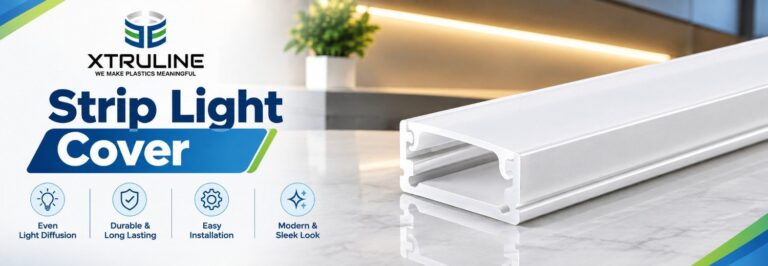
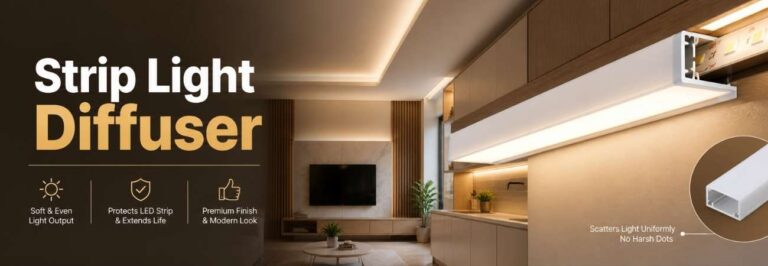
These profiles not only protect LED strips but also enhance light diffusion, resulting in a smooth and uniform glow.
Why Choose a Flexible LED Profile?
Flexible LED profiles are becoming increasingly popular for both residential and commercial lighting. Here are some key reasons why:
1. Design Versatility
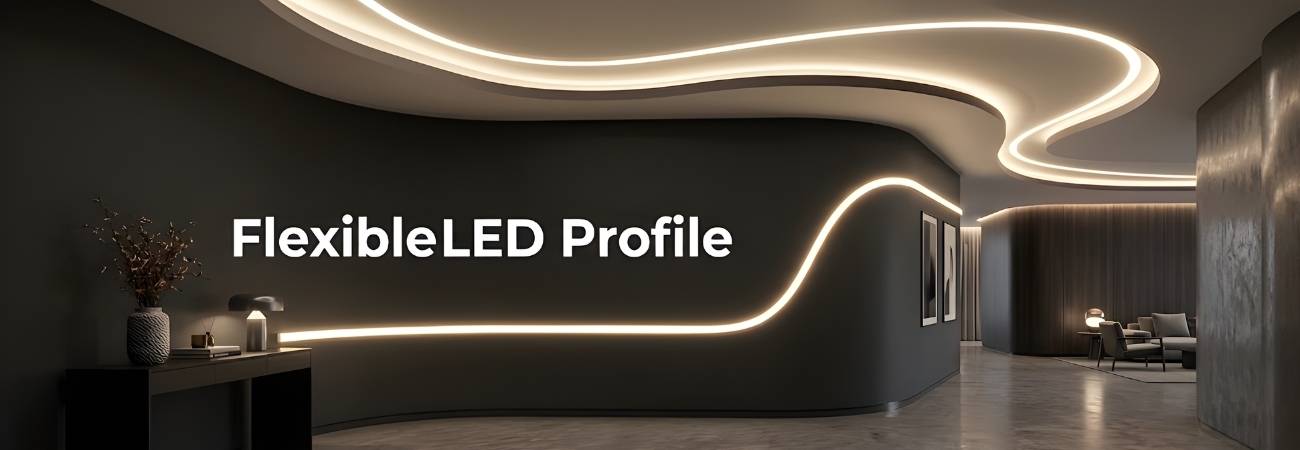
The biggest advantage is flexibility. You can install them around curves, corners, circular ceilings, or irregular surfaces where traditional lighting cannot be used.
2. Enhanced Aesthetics
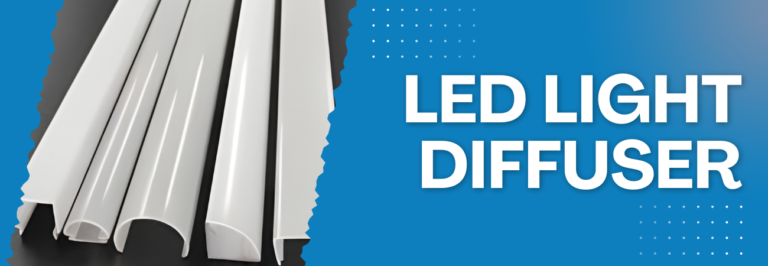
They provide a clean, modern, and seamless lighting finish. When paired with a LED strip light channel diffuser, they eliminate harsh light spots and create a soft glow.
3. Durability
Flexible profiles protect LED strips from dust, moisture, and physical damage, increasing their lifespan.
4. Easy Installation
Most flexible profiles are lightweight and easy to cut and install, making them ideal for both professionals and DIY enthusiasts.
5. Energy Efficiency
When combined with LED strips, they consume less power while delivering excellent brightness.
Types of Flexible LED Profiles
Understanding the different types and how tightly each one can actually curve helps you choose the right option for your project rather than finding out mid-installation that it won’t make the bend.
1. Silicone Flexible Profiles
These are highly durable, waterproof, and ideal for outdoor use. They are often used in architectural lighting.
Minimum bend radius: roughly 25mm–50mm, depending on wall thickness silicone is the most flexible common option, capable of handling tight curves like circular ceiling cutouts and small archways.
2. PVC Flexible Profiles
Lightweight and cost-effective, PVC profiles are commonly used for indoor applications.
Minimum bend radius: roughly 100mm–150mm. PVC bends less tightly than silicone and can crack or whiten along the bend if forced past its limit, so it suits gentler curves wide arcs, rounded furniture edges rather than tight loops.
3. Bendable Aluminum Profiles
Though partially rigid, these profiles can be slightly curved and offer better heat dissipation.
Minimum bend radius: roughly 300mm–500mm or more. This is a gentle curve, not a tight bend think large radius ceiling coves or slightly curved walls, not circles or tight corners.
4. Recessed Flexible Profiles
Perfect for embedding into walls, ceilings, or furniture for a minimalist look.
Bend radius here depends on which base material (silicone or PVC) the recessed profile is made from check the specific product’s rating using the figures above as a starting reference.
Applications of Flexible LED Profiles
Flexible LED profiles are incredibly versatile and can be used in various settings:
Residential Lighting
- Cove lighting in ceilings
- Under-cabinet lighting in kitchens
- Staircase illumination
- Wardrobe and closet lighting
Commercial Spaces
- Retail display lighting
- Office ceiling designs
- Hotel interiors
- Restaurants and cafes
Architectural Lighting
- Curved wall highlights
- Facade lighting
- Landscape lighting
Decorative Lighting
- Signage
- Artistic installations
- Event decorations
The ability to use a bendable LED channel makes it easier to achieve creative lighting designs that were previously impossible. If your project leans more structural think reinforced curved coves or larger architectural installations our Bendable LED Extrusion Guide covers that side, including C-section reinforcement options.
Key Features to Look For
When selecting a flexible LED profile, consider these factors:
1. Material Quality
Choose high-quality silicone or PVC for durability and performance.
2. Diffuser Type
A good LED strip light channel diffuser ensures uniform lighting without visible LED dots.
3. Flexibility Radius
Check how much the profile can bend without damage see the bend radius specs above for typical ranges by material.
4. IP Rating (for Outdoor or Wet Areas)
If the installation is outdoors, in a bathroom, or anywhere near moisture, confirm the IP rating before buying see the comparison table below for what each level actually covers.
5. Heat Dissipation
Proper heat management ensures longer LED life.
6. Mounting Options
Look for profiles with easy mounting clips or adhesive backing.
Installation Tips for Flexible LED Profiles
Installing a flexible LED profile is straightforward if you follow these steps:
- Measure and Plan: Determine the length and shape required for your lighting design.
- Cut to Size: Use appropriate tools to cut the profile without damaging it.
- Insert LED Strip: Place the LED strip securely inside the profile.
- Attach Diffuser: Add the diffuser cover for smooth light output.
- Mount the Profile: Use clips, adhesives, or screws depending on the surface.
- Connect Power Supply: Ensure proper wiring and test the lighting.
Cutting and Joining Flexible Profiles
Flexible profiles are more forgiving than rigid aluminum, but silicone and PVC will still crack, tear, or lose their seal if cut or joined the wrong way.
How to Cut Without Cracking
- Use a sharp blade, not scissors. A fresh utility knife or fine-tooth cutting tool gives a clean edge; dull blades tend to drag and tear the material instead of slicing it.
- Cut at marked points only. Most flexible profiles have marked cut lines near the LED strip’s copper contact pads cutting between marks can sever the circuit and leave that segment dead.
- Let the material relax before cutting. Don’t cut while the profile is bent or under tension; cut it flat, then bend it into place afterward.
- Avoid cutting in cold conditions. Silicone and PVC both stiffen in cold temperatures and are more prone to cracking under the blade cut at room temperature where possible.
How to Join Sections for Longer Runs
- Use manufacturer-matched connectors. Joining two lengths with the wrong connector is the most common cause of dead spots or flickering at the joint.
- Solder or use connector clips at the LED strip level first, then rejoin the outer profile housing around the connection don’t rely on the housing alone to carry the electrical connection.
- Reseal the joint for outdoor/IP-rated runs. Cutting or joining an IP65+ profile breaks its factory seal at that point outdoor and wet-location joins need waterproof sealant or a rated connector kit to maintain the rating; otherwise you’ve created a weak point regardless of what the rest of the run is rated for.
- Keep joins away from tight bends. A joint sitting right at a curve is under more mechanical stress and more likely to fail over time plan joins for straighter sections of the run where possible.
Flexible LED Profile vs Rigid LED Channel
| Feature | Flexible LED Profile | Rigid LED Channel |
|---|---|---|
| Flexibility | High | Low |
| Design Options | Unlimited | Limited |
| Installation | Easy on curves | Best for straight lines |
| Aesthetic Appeal | Modern & seamless | Structured look |
| IP Rating (Outdoor/Wet) | Often available up to IP65/IP68, especially in silicone—a common reason to choose flexible over rigid for curved outdoor runs. | Typically lower unless specifically outdoor-rated; achieving both a curve and a high IP rating is harder with rigid aluminum. |
| Cost | Slightly higher | Affordable |
If your project involves curves or creative layouts especially outdoors or in wet areas a flexible LED strip profile is the better choice.
Benefits for Modern Interior Design
Interior designers increasingly prefer flexible LED profiles because they:
- Enhance architectural details
- Provide indirect lighting for ambiance
- Create futuristic and minimalistic designs
- Improve overall visual comfort
From curved ceilings to custom furniture lighting, flexible profiles help achieve a premium look.
Maintenance and Care
Maintaining flexible LED profiles is simple:
- Clean regularly to avoid dust buildup
- Avoid excessive bending beyond limits check the bend radius specs above before forcing a tight curve
- Ensure proper electrical connections, especially at any joins
- Replace damaged diffusers if needed
With proper care, these profiles can last for years without performance issues.
Future of Flexible LED Lighting
The demand for flexible lighting solutions is growing rapidly. Innovations in materials and LED technology are making these profiles more durable, efficient, and affordable.
Smart lighting integration is also becoming common, allowing users to control brightness, color, and effects through mobile apps or voice assistants. Visit Xtruline website for more.
Conclusion
A flexible LED profile is a game-changer in modern lighting design. Its ability to bend, adapt, and enhance aesthetics makes it an ideal choice for both functional and decorative lighting applications.
Whether you’re working on a residential project or a commercial space, matching the right material silicone for tight curves and wet areas, PVC for gentler indoor curves and confirming the bend radius and IP rating upfront will save you from surprises mid-installation.
FAQs
1. What is a flexible LED profile used for?
A flexible LED profile is used to house LED strip lights and provide smooth, diffused lighting in curved or irregular designs.
2. Can flexible LED profiles be used outdoors?
Yes, silicone-based flexible LED profiles are waterproof and suitable for outdoor applications.
3. What is the benefit of using a LED strip light channel diffuser?
A diffuser helps spread light evenly, reducing glare and eliminating visible LED dots for a clean lighting effect.
4. How do I install a bendable LED channel?
You can install it by cutting to size, inserting the LED strip, attaching the diffuser, and mounting it using clips or adhesive.
5. Are flexible LED strip profiles durable?
Yes, high-quality flexible LED strip profiles are durable, resistant to dust and moisture, and designed for long-term use.