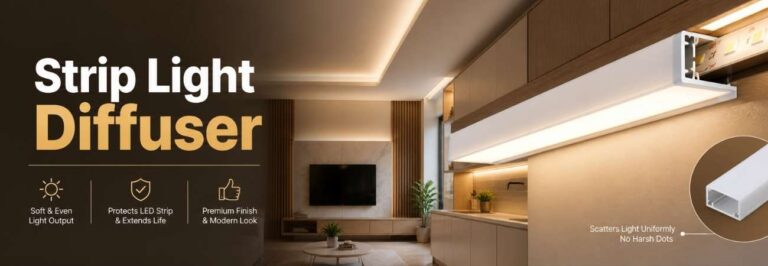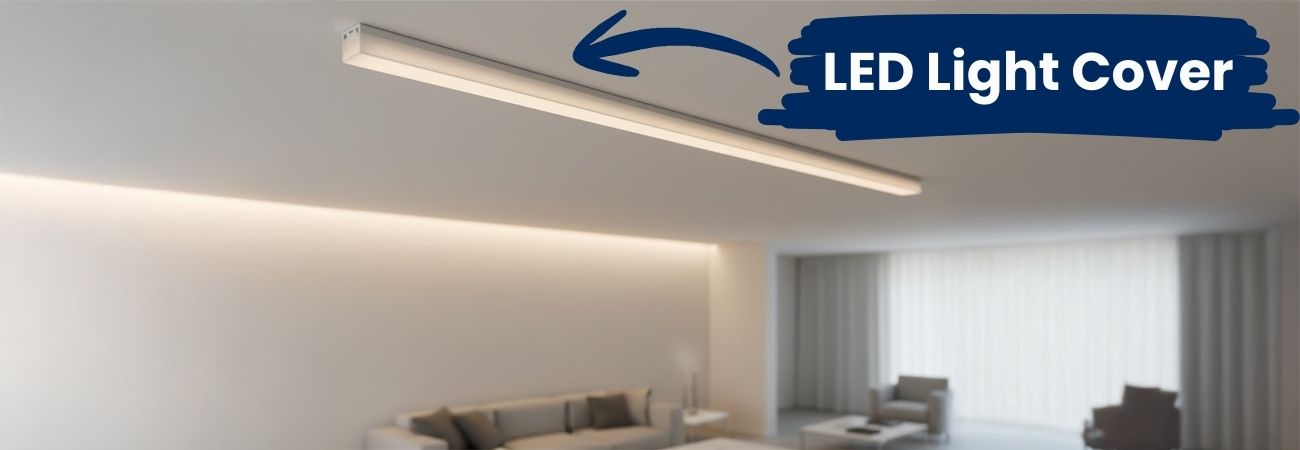
LED Light Cover: Enhancing Illumination, Safety, and Modern Design
Introduction
LED lighting has transformed the way we illuminate homes, workplaces, and outdoor spaces. Known for energy efficiency, durability, and low maintenance, LED lights are now a standard choice across residential, commercial, and industrial projects. However, one essential component that plays a major role in LED performance is often overlooked the LED light cover.
This guide focuses specifically on covers for LED fixtures, panels, and luminaires ceiling lights, industrial light fittings, and outdoor housings rather than the strip-and-channel setups covered in our LED Strip Light Cover guide. If you’re specifically working with LED strip lighting and channel profiles, that guide is the more relevant read; if you’re covering a fixture or panel, read on.
An LED light cover not only protects the light source but also improves light quality, enhances visual comfort, and adds a refined look to the overall lighting setup. From modern interiors to large-scale infrastructure projects, the right LED light cover can significantly elevate both function and design.
This blog explores the importance of LED light covers, their types, materials, IP ratings, safety standards, and how to choose the right one for your lighting needs.
Understanding LED Light Covers
An LED light cover is a protective outer layer installed over LED lights or LED fixtures. It is designed to control light dispersion, reduce glare, and shield LEDs from environmental damage. These covers are commonly manufactured using materials like polycarbonate, acrylic, or durable plastics.
Why LED Light Covers Matter
LED lights are powerful and efficient, but without proper casing, their performance can be compromised. Here’s why LED light covers are important:
1. Light Comfort and Uniformity
Bare LEDs can produce intense and uneven light. A diffuser cover spreads light smoothly, creating a balanced and comfortable illumination.
2. Protection Against Damage
An LED light casing acts as a shield, protecting the LED from dust, moisture, insects, heat exposure, and accidental impact.
3. Improved Visual Appeal
LED light covers hide harsh light points and wiring, delivering a clean and professional finish especially important in modern interiors.
4. Longer LED Lifespan
By protecting LEDs from environmental stress and overheating, covers help maintain consistent performance over time.
5. Safety and Compliance
In commercial and industrial settings, LED fixture covers contribute to meeting recognized safety benchmarks see the “Safety and Compliance Standards” section below for the specific standards typically referenced.
Types of LED Light Covers Available
Below are the most commonly used options:
1. Diffused LED Light Covers
These covers soften and distribute light evenly. They are ideal for homes, offices, hospitals, and educational spaces.
2. Clear LED Light Covers
Clear covers allow maximum brightness while offering physical protection. They are widely used in industrial areas and warehouses.
3. Frosted LED Light Covers
Frosted covers provide a balance between brightness and diffusion, making them popular for decorative and architectural lighting.
4. Waterproof LED Light Casing
Designed for outdoor and wet environments, these covers protect LED lights from rain, humidity, and temperature fluctuations.
5. Custom LED Light Covers
Custom-made covers are used in specialized projects where specific shapes, sizes, or branding requirements are needed.
Materials Used in LED Light Covers
The performance of an LED light cover largely depends on the material used and each material typically pairs with a different practical IP rating range:
- Polycarbonate: Strong, impact-resistant, and suitable for outdoor or industrial use. Commonly used in covers rated IP65 and above, since polycarbonate’s durability holds up well when combined with a properly sealed housing design for wet or dusty environments.
- Acrylic: Lightweight, visually appealing, and commonly used in residential lighting. Typically found in IP20 indoor-rated covers acrylic is less impact-resistant than polycarbonate and less commonly used in fully sealed outdoor housings.
- Plastic Composites: Cost-effective and suitable for standard indoor installations, generally in the IP20–IP44 range depending on the specific housing design.
Quick reference for choosing:
- IP20: indoor, dry locations only (living rooms, offices, retail interiors)
- IP44: splash-resistant (kitchens, covered outdoor areas)
- IP65: dust-tight and resistant to water jets (outdoor facades, industrial areas, most genuinely outdoor fixtures)
- IP67/IP68: submersion-rated (near pools, fountains, heavy direct rain exposure)
Choosing the right material and rating ensures durability, heat resistance, and optimal light diffusion.
UV Resistance and Expected Lifespan
Sunlight exposure is one of the most common reasons LED covers degrade over time the material yellows, clarity drops, and light output falls even though the LED itself may still be working fine. What to expect by material:
- UV-stabilized polycarbonate holds up the longest under direct sun exposure, typically maintaining clarity for many years in outdoor use before noticeable yellowing sets in the exact figure depends on the specific UV additive package used, so ask your supplier for their tested rating if this matters for your project.
- Standard (non-UV-stabilized) acrylic and plastic composites yellow and become brittle noticeably faster under prolonged direct sun exposure, which is why they’re generally recommended for indoor use or shaded outdoor applications rather than full sun exposure.
- Frosted and opal finishes can show yellowing more visibly than clear covers, since the diffusion texture makes discoloration more noticeable across the surface.
Applications of LED Light Covers
LED light covers are widely used across various sectors due to their versatility:
1. Residential Lighting
In homes, LED light diffuser covers are used in ceilings, kitchens, bedrooms, wardrobes, and decorative lighting setups.
2. Commercial Spaces
Offices, malls, hotels, and showrooms rely on LED lighting accessories to achieve uniform lighting while maintaining a modern aesthetic.
3. Industrial Environments
Factories, plants, and warehouses use durable LED light casing to protect fixtures from dust, vibration, and harsh conditions.
4. Outdoor and Landscape Lighting
Streetlights, pathways, gardens, and building exteriors require weather-resistant LED light covers for long-term reliability.
Advantages of Using LED Light Diffuser Covers
Using diffuser covers offers multiple functional and visual benefits:
- Reduces harsh brightness and glare
- Creates smooth and shadow-free lighting
- Enhances visual comfort for eyes
- Improves the overall look of lighting fixtures
- Minimizes direct exposure to LED chips
These benefits make LED light diffuser covers an essential choice for modern lighting designs.
How to Select the Right LED Light Cover
Choosing the correct LED light cover depends on several important factors:
1. Lighting Purpose
Decide whether the lighting is meant for ambiance, task lighting, or industrial use.
2. Installation Area
Indoor spaces require different covers compared to outdoor or moisture-prone locations match the IP rating to the location, not just the cover’s general “indoor/outdoor” marketing description.
3. Brightness Requirement
Use diffused or frosted covers for soft lighting and clear covers for high illumination needs.
4. Material Strength
Select materials based on durability, heat resistance, UV exposure, and environmental conditions see the materials and UV sections above.
5. Compatibility
Ensure the LED light casing fits the fixture properly for safe and efficient installation.
Safety and Compliance Standards
For commercial and industrial installations, LED fixture covers are typically expected to align with recognized safety benchmarks rather than generic “quality” claims. The standards most commonly referenced in this space include:
- IS 10322: The Indian Standard series covering luminaire safety requirements, relevant for LED fixtures sold and installed in India.
- IEC 60598: The international standard for luminaire safety, widely referenced globally and often the basis for national standards including IS 10322.
- BIS certification: Confirms compliance with Bureau of Indian Standards requirements for electrical and lighting products in the Indian market.
- CE marking: Indicates conformity with EU health, safety, and environmental protection requirements, relevant if the fixture is sold in or exported to European markets.
Role of LED Light Covers in Energy Efficiency
LED lights are known for saving energy, and LED light covers further enhance this advantage. Proper diffusion ensures better light spread, reducing the need for additional fixtures.
Maintenance Tips for LED Light Covers
Maintaining LED light covers helps preserve light quality and appearance:
- Clean covers regularly using a soft cloth
- Avoid abrasive cleaners that can damage the surface
- Inspect for cracks or discoloration early yellowing can be a sign of insufficient UV protection for the installation location
- Replace damaged covers promptly
Simple maintenance ensures consistent performance and long-lasting illumination.
Conclusion
An LED light cover is a crucial element of any LED lighting system. Beyond protection, it enhances light quality, improves safety, and adds a polished finish to lighting installations. Whether you need LED light diffuser covers for soft indoor lighting or robust, UV-stabilized LED light casing for outdoor and industrial use, matching the right material, IP rating, and compliance standard to your installation ensures better performance and durability.
By investing in high-quality LED lighting accessories, you not only improve illumination but also extend the lifespan and efficiency of your LED lights. For modern, safe, and visually appealing lighting, LED light covers are an essential solution.
FAQs
1. What does an LED light cover do?
An LED light cover protects the LED fixture, diffuses light evenly, reduces glare, and enhances the overall lighting appearance.
2. Are LED light diffuser covers better than open LED lights?
Yes, diffuser covers provide smoother lighting, reduce eye strain, and create a more comfortable environment compared to exposed LEDs.
3. Can LED light casing handle heat?
High-quality LED light casing materials like polycarbonate are designed to handle heat efficiently and protect internal components.
4. How do LED lighting accessories improve lighting systems?
LED lighting accessories such as covers enhance safety, durability, energy efficiency, and the visual quality of lighting installations.
5. What IP rating do I need for outdoor LED covers?
For most genuinely outdoor fixtures facades, pathways, exposed installations IP65 is the standard minimum, covering dust-tight construction and resistance to water jets. Semi-covered outdoor areas can sometimes get by with IP44 (splash-resistant), while installations near standing water, fountains, or heavy direct rain exposure should look for IP67/IP68.