Light Diffuser Panel: A Smart Solution for Modern Lighting Designs
Introduction
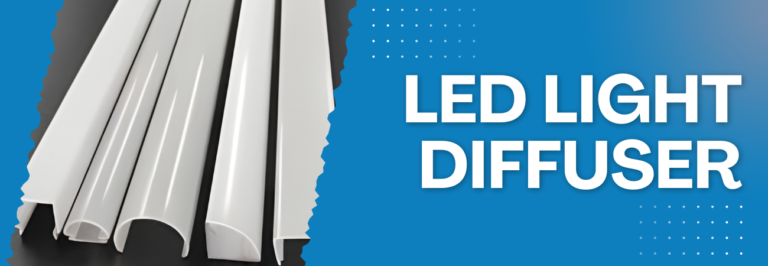
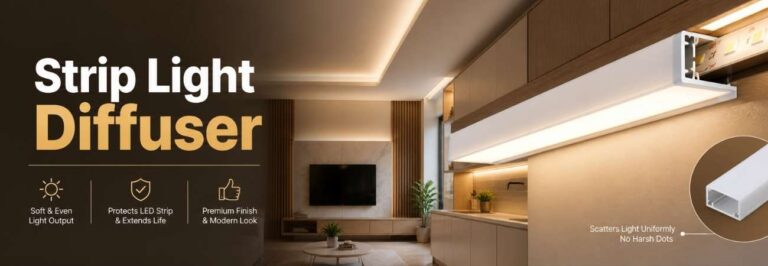
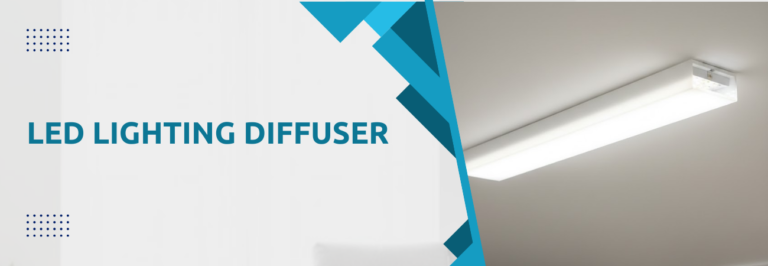
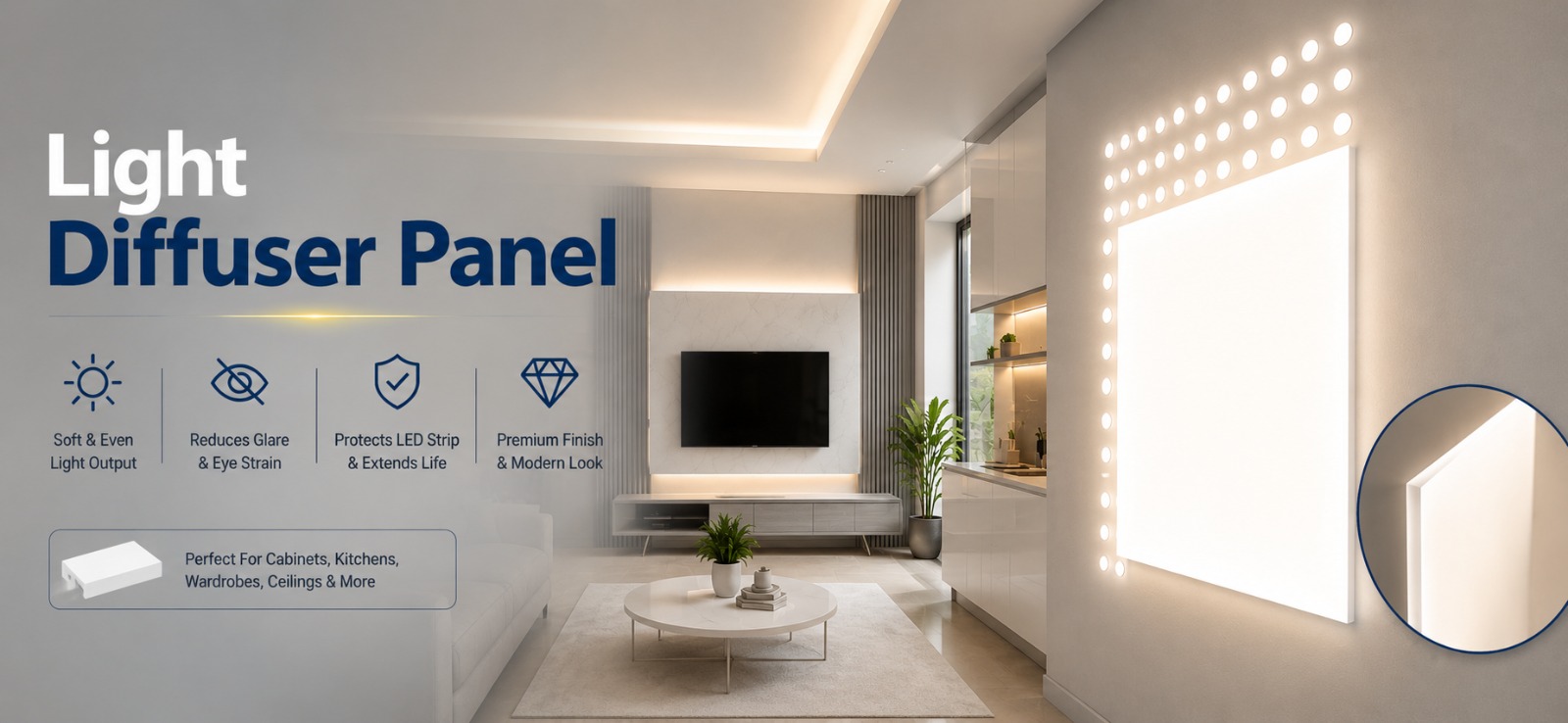
Lighting plays a major role in enhancing the beauty, comfort, and functionality of any space. Whether it is a home, office, showroom, hospital, or commercial building, proper lighting creates a balanced and welcoming environment. In particular, one of the most important components used in modern lighting systems is the Light Diffuser Panel. These panels help distribute light evenly while reducing glare and improving visual comfort.
Today, architects, interior designers, and homeowners are increasingly choosing advanced lighting solutions to achieve both aesthetics and energy efficiency. As a result, a high-quality light diffuser panel not only improves the appearance of lighting fixtures but also enhances the overall ambiance of the space.
What You’ll Learn in This Guide
In this blog, we will explore everything about light diffuser panels, including their benefits, applications, and types. We will also look at why they are becoming an essential part of modern lighting systems.
What is a Light Diffuser Panel?
A Light Diffuser Panel is a panel or sheet that spreads light evenly across a surface. Instead of allowing harsh and direct light to fall in one direction, the panel softens the illumination and reduces brightness hotspots.
Designers commonly use these panels in LED lighting systems, false ceilings, commercial interiors, office spaces, hospitals, schools, and decorative lighting applications.
Specifically, the primary purpose of a light diffuser panel is to:
- Reduce glare
- Improve light distribution
- Enhance visual comfort
- Increase lighting efficiency
- Create a smooth and modern appearance
Additionally, manufacturers make modern diffuser panels using durable materials such as acrylic, polycarbonate, and PMMA. As a result, these materials provide excellent light transmission while maintaining long-term durability.
Importance of Light Diffuser Panels in Modern Lighting
Lighting systems are no longer limited to illumination alone. Today, in fact, designers consider lighting a major part of interior design and energy management. Without proper diffusion, LED lights can appear too sharp or uncomfortable.
For this reason, a quality LED light diffuser panel helps create soft and balanced illumination, making spaces more comfortable for daily use. It also minimizes eye strain, especially in offices, classrooms, and healthcare environments where lighting quality is extremely important.
Because of these benefits, designers also widely prefer light diffuser panels since they:
- Improve the aesthetic appeal of lighting fixtures
- Reduce direct visibility of LEDs
- Increase productivity in workspaces
- Support energy-efficient lighting systems
- Enhance decorative lighting effects
Overall, as LED technology continues to grow, the demand for efficient diffuser solutions is increasing rapidly.
Types of Light Diffuser Panels
There are several types of diffuser panels available in the market based on design, material, and application.
1. Acrylic Light Diffuser Sheet
An acrylic light diffuser sheet is one of the most popular options in modern lighting systems. Specifically, acrylic sheets offer excellent light diffusion and high transparency while maintaining strength and durability.
For instance, benefits of acrylic diffuser sheets include:
- Lightweight structure
- Excellent optical clarity
- High durability
- UV resistance
- Smooth surface finish
- Easy customization
Because of these qualities, designers widely use these sheets in LED panel lights, decorative lighting, signboards, and architectural lighting applications.
2. Polycarbonate Diffuser Panels
Polycarbonate panels stand out for their impact resistance and durability. Therefore, they are ideal for industrial and commercial applications where strength is important.
3. Ceiling Light Diffuser Panel
A ceiling light diffuser panel works specifically for false ceilings and suspended ceiling lighting systems. These panels help distribute light evenly across large areas, so offices, hospitals, shopping malls, and educational institutions commonly use them.
As a result, ceiling diffuser panels create a clean and professional appearance while reducing harsh lighting effects.
4. Frosted Diffuser Panels
Frosted panels feature textured surfaces that scatter light effectively. Consequently, designers commonly use them in decorative lighting and residential interiors.
Benefits of Using Light Diffuser Panels
Uniform Light Distribution
One of the biggest advantages of a light diffuser panel is its ability to distribute light evenly. As a result, this prevents bright spots and dark areas, creating a balanced lighting effect.
Reduced Glare
Harsh lighting can cause discomfort and eye strain. However, diffuser panels soften the light output, making it more comfortable for long-term use.
Enhanced Energy Efficiency
When paired with LED lighting systems, diffuser panels help maximize lighting efficiency by spreading illumination more effectively.
Improved Interior Appearance
Modern interiors demand sleek and stylish lighting solutions. In this regard, diffuser panels provide a smooth and elegant finish that enhances overall décor.
Long-Term Durability
High-quality diffuser materials such as acrylic and polycarbonate offer excellent durability and long service life.
Better Visual Comfort
Finally, a well-designed LED light diffuser panel creates soft illumination that improves comfort in homes, offices, and commercial spaces.
Applications of Light Diffuser Panels
Overall, multiple industries and applications use light diffuser panels.
Residential Spaces
In homes, for example, people use diffuser panels in:
- False ceiling lights
- Kitchen lighting
- Bedroom lighting
- Decorative wall lighting
- Bathroom lighting
As a result, they help create warm and comfortable illumination while improving aesthetics.
Commercial Buildings
Similarly, offices, shopping malls, hotels, and retail stores widely use ceiling light diffuser panels to achieve uniform and professional lighting.
Healthcare Facilities
In healthcare settings, hospitals and clinics require glare-free lighting for patient comfort and medical accuracy. Here, diffuser panels play a key role in healthcare lighting systems.
Educational Institutions
Likewise, schools and colleges use diffuser panels in classrooms and libraries to reduce eye strain and improve concentration.
Industrial Applications
In industrial settings, factories and warehouses often use durable diffuser panels to improve visibility and workplace safety.
Architectural and Decorative Lighting
Finally, modern architecture increasingly incorporates acrylic light diffuser sheet solutions in decorative and ambient lighting designs.
Why LED Light Diffuser Panels are Gaining Popularity
LED lighting has transformed the lighting industry because of its energy efficiency and long lifespan. However, LED lights can sometimes appear too bright or concentrated.
This is where LED light diffuser panel technology becomes important, since these panels help:
- Soften LED brightness
- Eliminate visible LED dots
- Improve visual comfort
- Enhance decorative appeal
- Create premium lighting effects
Because of these advantages, people now commonly use LED diffuser panels in homes, offices, hotels, restaurants, and commercial buildings.
How to Choose the Right Light Diffuser Panel
Selecting the right diffuser panel depends on multiple factors.
Material Quality
Choose high-quality materials such as acrylic or polycarbonate for better durability and performance.
Light Transmission
The panel should provide optimal light transmission while reducing glare.
Application Area
Different applications require different diffuser solutions. For example, a ceiling light diffuser panel is ideal for suspended ceilings, while acrylic sheets are suitable for decorative lighting.
Thickness and Design
Panel thickness affects durability and light diffusion efficiency.
UV Resistance
For outdoor or long-term applications, choose UV-resistant panels.
Customization Options
Finally, modern projects often require customized diffuser sizes and patterns.
Maintenance Tips for Light Diffuser Panels
Proper maintenance helps maintain the performance and appearance of diffuser panels.
Here are some useful maintenance tips:
- Clean panels regularly using a soft cloth
- Avoid harsh chemical cleaners
- Remove dust buildup frequently
- Inspect for scratches or damage
- Use recommended cleaning solutions for acrylic surfaces
Overall, regular maintenance ensures long-lasting performance and better lighting quality.
Future Trends in Light Diffuser Technology
The lighting industry is continuously evolving with smarter and more efficient technologies. Specifically, future trends in light diffuser panels include:
- Smart lighting integration
- Advanced nano-diffusion materials
- Sustainable and recyclable materials
- Custom decorative patterns
- Enhanced optical performance
- Energy-efficient lighting systems
As a result, as demand for modern interiors grows, diffuser panels will continue to play a crucial role in architectural and commercial lighting.
Conclusion
A Light Diffuser Panel is an essential component of modern lighting systems. Specifically, it improves light distribution, reduces glare, enhances visual comfort, and supports stylish interior designs.
Therefore, whether you are designing a residential space, office, retail store, hospital, or commercial building, investing in a high-quality diffuser panel can significantly improve lighting performance.
In short, from LED light diffuser panel solutions to acrylic light diffuser sheet applications and ceiling light diffuser panel installations, these products offer the perfect combination of functionality, efficiency, and aesthetics.
As lighting technology continues to evolve, diffuser panels will remain a key element in creating comfortable, energy-efficient, and visually appealing environments.
FAQs
1. What is the purpose of a light diffuser panel?
A light diffuser panel helps distribute light evenly while reducing glare and harsh brightness. It improves visual comfort and enhances lighting quality.
2. Which material is best for a light diffuser panel?
Acrylic and polycarbonate are the most commonly used materials because of their durability, excellent light transmission, and long lifespan.
3. Where are ceiling light diffuser panels commonly used?
Ceiling light diffuser panels are widely used in offices, hospitals, shopping malls, schools, hotels, and residential false ceiling systems.
4. Why is an LED light diffuser panel important?
An LED light diffuser panel softens the brightness of LED lights, removes visible LED dots, and creates uniform illumination for better comfort.
5. What thickness of diffuser panel is best for false ceilings?
Most false ceiling installations use panels in the 3mm–8mm range thinner panels (3mm–4mm) work for smaller fixture openings, while larger ceiling spans generally need 5mm or thicker to avoid sagging over time. Confirm the exact thickness against your fixture’s specific opening size and support spacing.