How Does Custom Profile Extrusion Help Create Better Plastic Products?
Introduction
Plastic components are used in almost every industry, from construction and electrical systems to lighting, furniture, automotive applications, and industrial equipment. However, standard plastic shapes do not always meet the specific requirements of every project. Businesses often need components with particular dimensions, shapes, colours, and performance characteristics. This is where custom manufacturing becomes valuable.
Custom profile extrusion is a manufacturing process that produces continuous plastic shapes according to a required design. It allows manufacturers to create profiles that fit specific applications while maintaining consistent dimensions and product quality. For businesses looking for dependable plastic components, understanding this process can make product development easier and more efficient.
Xtruline provides plastic profile solutions designed to support different industrial and commercial requirements, helping customers explore suitable options for their applications.
What Is Custom Profile Extrusion?
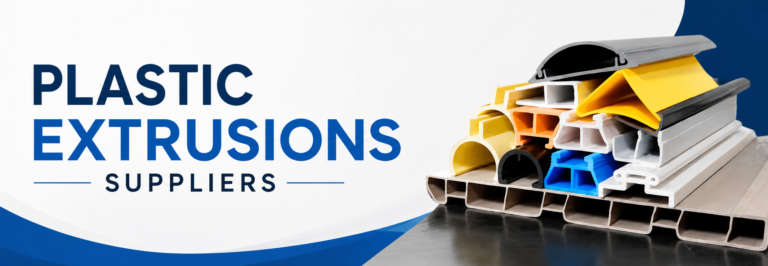
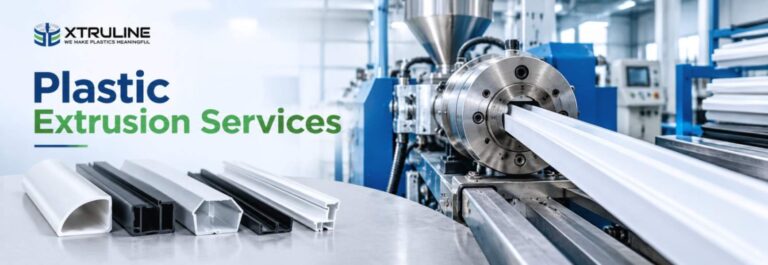
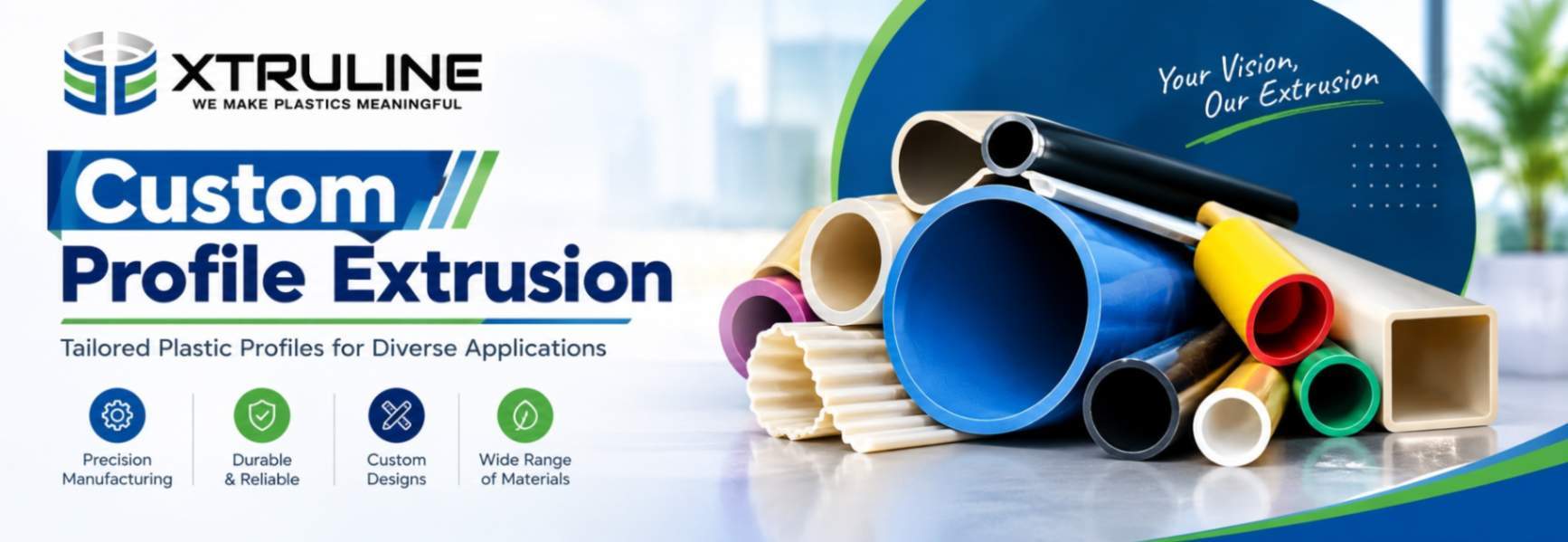
Custom profile extrusion is a process in which plastic material is heated until it becomes workable and then pushed through a specially designed die. The die determines the final shape of the product, which may include channels, tubes, angles, covers, trims, or other specialised profiles.
After leaving the die, the material is cooled, shaped, and cut to the required length. The finished product is then checked to ensure that it meets the specified dimensions and quality requirements.
Unlike standard profiles, custom designs can be developed around the actual needs of a project. This makes the process useful for manufacturers who require specialised plastic components rather than adapting their products to existing shapes.
Why Is Custom Extrusion Important for Modern Industries?
Every industry has different requirements for plastic components. A lighting manufacturer may need a diffuser cover that distributes light evenly, while a construction company may require a profile that provides a neat finish or supports a particular installation method.
Custom extrusion helps address these differences by offering greater flexibility in product design.
1. Design Flexibility
One of the main advantages of customised profiles is the ability to create shapes that match specific applications. Manufacturers can work with defined dimensions, cross-sectional designs, and material requirements to develop suitable components.
This flexibility can help reduce unnecessary adjustments during product assembly and support more practical product designs.
2. Consistent Product Dimensions
Consistency is important when profiles are used in repeated installations or assembled products. A well-controlled extrusion process helps maintain uniform shapes and dimensions across production runs.
Accurate specifications, suitable tooling, and regular quality inspections all contribute to reliable manufacturing results.
3. Efficient Production
Once the die and production process are established, extrusion can produce long, continuous profiles that are cut into required lengths. This approach is particularly useful when businesses need repeated quantities of the same design.
Efficient production planning can help reduce material waste, improve workflow, and support predictable manufacturing schedules.
Which Materials Are Used in Plastic Profile Extrusion?
The choice of material depends on the intended application, environmental conditions, appearance, and performance requirements.
Common materials include:
- PVC: Frequently used for construction profiles, trims, channels, and electrical applications because of its versatility.
- Polycarbonate: Selected for applications requiring impact resistance and, in suitable grades, optical clarity.
- ABS: Used for certain components where toughness, surface finish, and dimensional stability are important.
- Polyethylene: Considered for applications requiring chemical resistance, flexibility, or moisture resistance, depending on the grade.
- Polypropylene: Used in applications where low weight and chemical resistance are useful.
Material selection should consider temperature exposure, mechanical loading, UV exposure, chemical contact, and applicable safety requirements. Not every plastic is suitable for every environment, so discussing the intended use with a manufacturer is an important step.
How Can You Choose the Right Plastic Extrusion Company?
Selecting the right manufacturing partner can influence product quality, development time, and long-term supply reliability. Businesses should evaluate several factors before finalising a supplier.
Review Technical Capabilities
Look for a manufacturer that understands profile design, tooling requirements, material selection, and production tolerances. The ability to discuss drawings and samples can make it easier to determine whether a proposed design is practical.
Check Quality Control Procedures
Ask how dimensions, surface finish, material consistency, and other important characteristics are inspected. Clear quality procedures help reduce defects and improve consistency between production batches.
Discuss Customisation Requirements
A suitable supplier should understand your required shape, dimensions, colour, finish, and operating conditions. Sharing technical drawings or a sample can help clarify expectations before production begins.
Evaluate Production and Delivery Capacity
Consider the expected order quantity, production lead time, packaging requirements, and ability to support repeat orders. Reliable communication is equally important when coordinating product development and deliveries.
What Should You Know About Plastic Extrusion Services?
Professional Plastic Extrusion Services can support different stages of a project, including material selection, profile design discussions, tooling development, production, cutting, and quality checks. The exact services available depend on the manufacturer’s equipment and technical capabilities.
Before placing an order, provide clear specifications wherever possible. These may include a dimensional drawing, material preference, colour requirements, estimated annual quantity, application details, and any relevant industry standards.
Early communication can help identify potential design issues before tooling is finalised. It also gives the manufacturer a clearer understanding of the finished product’s intended function.
Where Are PVC Extruded Profiles Commonly Used?
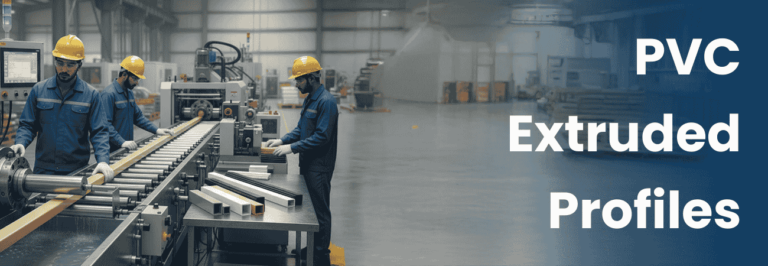
PVC Extruded Profiles are widely used in applications where a practical shape, consistent dimensions, and material versatility are required.
Typical uses include window and door systems, construction trims, cable management components, protective channels, furniture elements, and selected lighting applications.
The final suitability of a profile depends on its formulation, design, and operating environment. For example, a profile intended for outdoor use may require additional consideration of UV exposure and weather resistance.
Businesses should therefore choose profiles based on the conditions in which they will be installed rather than relying on appearance alone.
Why Consider Xtruline for Your Plastic Profile Requirements?
Finding a suitable profile manufacturer starts with understanding the technical needs of your project. Xtruline offers plastic profile, tube, sheet, and injection moulding solutions for customers exploring different plastic component requirements.
Whether you are developing a new product or sourcing profiles for an existing application, sharing your specifications can help establish the right direction for the project.
When evaluating a supplier, discuss the required design, material, dimensions, expected quantities, and quality expectations before proceeding with production.
Conclusion
Custom plastic profiles offer businesses a practical way to develop components around specific design and application requirements. From flexible product design to consistent production, extrusion can support a wide range of industrial and commercial uses.
The best results depend on choosing an appropriate material, defining accurate specifications, and working with a manufacturer that understands your project requirements. With careful planning and clear communication, businesses can develop plastic profiles that support reliable assembly and long-term product performance.
Looking for customised plastic profile solutions?
Connect with Xtruline to discuss your project requirements and explore suitable plastic manufacturing options.
FAQs
It is used to manufacture plastic shapes with specific dimensions and cross-sections for applications such as construction, lighting, electrical systems, furniture, and industrial equipment.
Common choices include PVC, polycarbonate, ABS, polyethylene, and polypropylene. The right material depends on the required strength, flexibility, temperature resistance, appearance, and operating conditions.
Custom extrusion allows a profile to be designed around specific dimensions and application requirements, whereas standard profiles are produced in predefined shapes and sizes.
Provide technical drawings or samples, dimensions, material preferences, colour and finish requirements, estimated quantities, and details about the intended application.
Review the manufacturer’s technical capabilities, material knowledge, quality control procedures, customisation options, production capacity, communication, and ability to meet your project specifications.