
Introduction
Extruded plastic shapes have become an essential component across multiple industries, offering versatility, durability, and cost-effective manufacturing solutions. From construction and automotive to packaging and electronics, these products play a critical role in modern manufacturing. In this blog, we’ll explore everything you need to know about extruded plastic shapes, including their benefits, applications, and how custom solutions can meet specific industrial needs.
What Are Extruded Plastic Shapes?
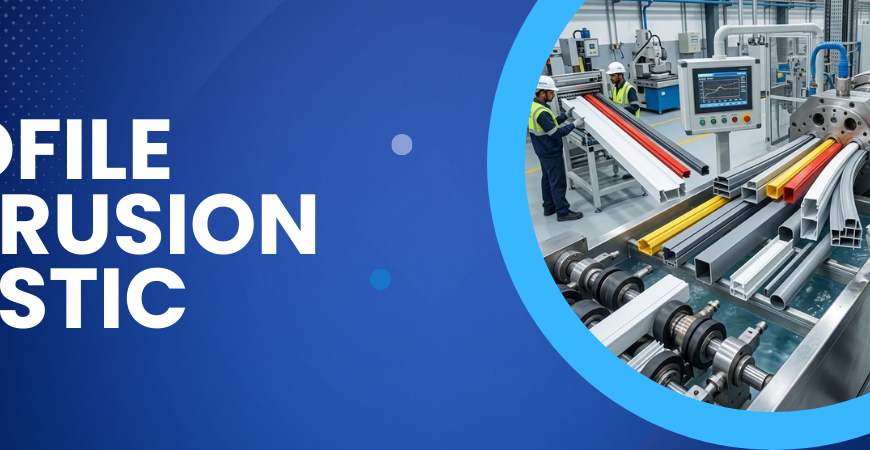
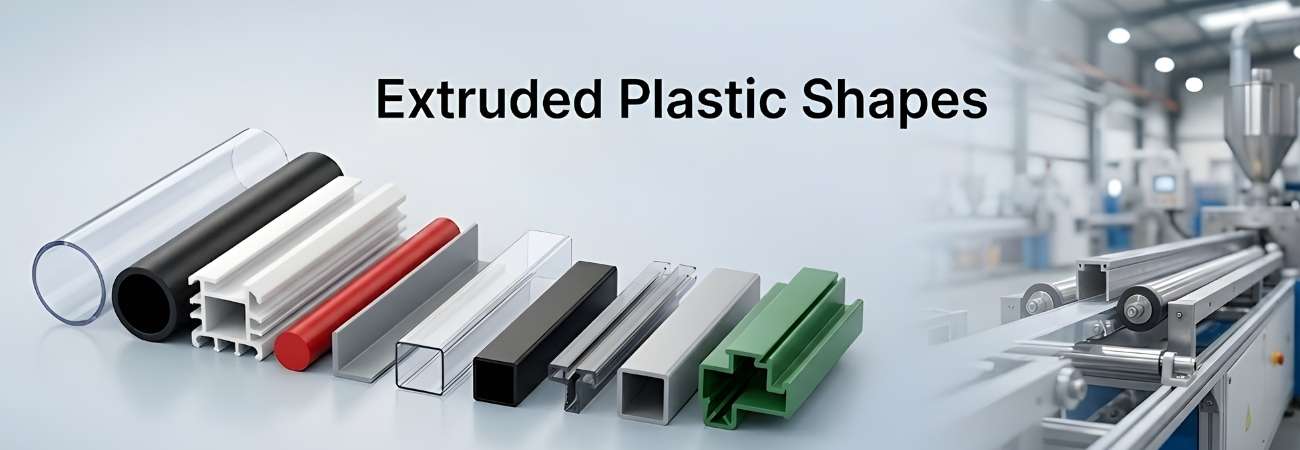
Extruded plastic shapes are continuous profiles created by forcing molten plastic material through a specially designed die. This process results in consistent cross-sectional shapes that can be cut to desired lengths. These shapes can range from simple tubes and rods to complex, customized designs tailored to specific applications.
The extrusion process is highly efficient, allowing manufacturers to produce high volumes of plastic extrusion products with uniform quality and precision. Common materials used include PVC, HDPE, ABS, and polycarbonate, each offering unique properties suited to different environments.
Types of Extruded Plastic Shapes
Extruded plastic shapes come in a wide variety of forms, depending on the application requirements. Some of the most common types include:
- Plastic Profiles: These include channels, angles, trims, and seals widely used in construction and furniture.
- Tubes and Pipes: Used in plumbing, irrigation, and industrial systems.
- Rods and Bars: Ideal for machining and fabrication applications.
- Sheets and Films: Used in packaging and protective coverings.
- Custom Plastic Shapes: Designed to meet specific design and functional requirements.
The flexibility of extrusion technology allows manufacturers to produce both standard and custom plastic shapes with ease.
Benefits of Extruded Plastic Shapes
1. Cost-Effective Manufacturing
Plastic extrusion is a continuous process, making it highly efficient and cost-effective for large-scale production. It reduces material waste and ensures consistent quality.
2. Design Flexibility
One of the biggest advantages is the ability to create complex and custom plastic shapes. Manufacturers can design unique profiles to suit specific applications.
3. Lightweight Yet Durable
Extruded plastic profiles are lightweight compared to metal alternatives, yet they offer excellent strength, durability, and resistance to corrosion.
4. Versatility in Materials
Different polymers can be used depending on the application. For example, PVC offers excellent chemical resistance, while polycarbonate provides high impact strength.
5. Low Maintenance
Plastic extrusion products require minimal maintenance and are resistant to moisture, chemicals, and environmental wear.
Applications of Extruded Plastic Shapes
Extruded plastic shapes are widely used across various industries due to their adaptability and performance.
Construction Industry
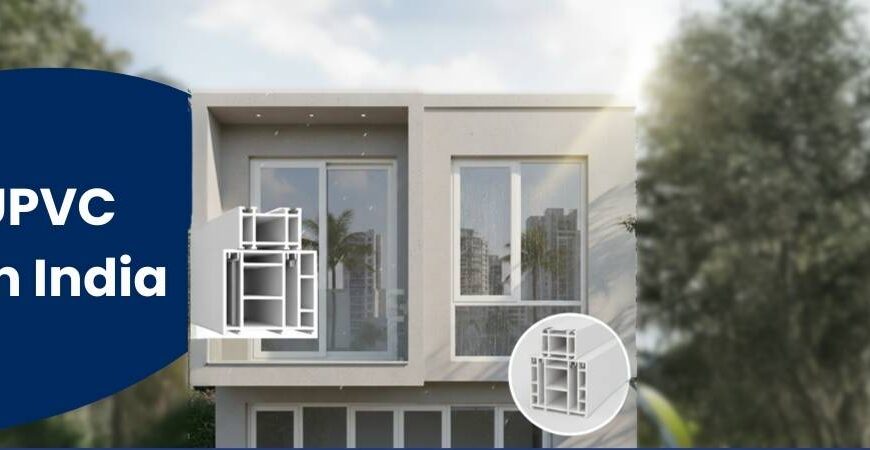
Plastic profiles are extensively used in window frames, door seals, cable conduits, and decorative trims. Their resistance to weather and corrosion makes them ideal for outdoor use.
Automotive Industry
Extruded plastic components are used in sealing systems, trims, and protective covers. They help reduce vehicle weight, improving fuel efficiency.
Electrical and Electronics
Plastic extrusion products are used for insulation, cable management, and protective housings, ensuring safety and reliability.
Packaging Industry
Extruded sheets and films are widely used for packaging solutions, offering durability and flexibility.
Furniture and Interior Design
Custom plastic shapes are used for edging, decorative trims, and modular furniture components.
Custom Plastic Shapes: Tailored Solutions for Unique Needs
Custom plastic shapes are gaining popularity as industries demand more specialized solutions. Manufacturers can design profiles that meet exact specifications, including size, shape, color, and material properties.
Customization options include:
- Color Matching: To align with branding or aesthetic requirements
- Material Selection: Based on strength, flexibility, or environmental resistance
- Co-Extrusion: Combining multiple materials in a single profile
- Surface Finishing: Smooth, textured, or matte finishes
These capabilities make extruded plastic profiles highly adaptable to unique project requirements.
The Extrusion Process Explained
Understanding the extrusion process helps in appreciating the quality and consistency of plastic extrusion products.
- Material Feeding: Raw plastic pellets are fed into the extrusion machine.
- Melting: The material is heated and melted inside a barrel.
- Shaping: The molten plastic is pushed through a die to form the desired shape.
- Cooling: The extruded shape is cooled using water or air.
- Cutting: The continuous profile is cut into required lengths.
This streamlined process ensures high efficiency and uniformity in production.
Choosing the Right Extruded Plastic Product
Selecting the right extruded plastic shapes depends on several factors:
- Application Requirements: Consider load, temperature, and environmental exposure
- Material Properties: Choose materials based on strength, flexibility, and chemical resistance
- Customization Needs: Determine if standard profiles suffice or custom plastic shapes are required
- Budget Constraints: Balance cost with performance and durability
Working with an experienced manufacturer ensures you get the right solution tailored to your needs.
Sustainability and Environmental Benefits
Modern extrusion processes are becoming increasingly sustainable. Many manufacturers now use recyclable materials and energy-efficient production methods. Additionally, plastic extrusion products have a long lifespan, reducing the need for frequent replacements and minimizing waste.
Recycling options for extruded plastic profiles also contribute to a circular economy, making them an environmentally responsible choice.
Future Trends in Plastic Extrusion
The plastic extrusion industry continues to evolve with advancements in technology. Some key trends include:
- Smart Materials: Development of plastics with enhanced properties such as UV resistance and flame retardancy
- Automation: Increased use of automated systems for precision and efficiency
- Eco-Friendly Materials: Growing demand for biodegradable and recycled plastics
- Advanced Customization: More complex and precise custom plastic shapes
These innovations are shaping the future of extruded plastic shapes, making them even more efficient and sustainable.
Conclusion
Extruded plastic shapes are a vital part of modern manufacturing, offering unmatched versatility, durability, and cost-effectiveness. Whether it’s standard extruded plastic profiles or highly specialized custom plastic shapes, the extrusion process delivers consistent and reliable results.
With applications spanning multiple industries and continuous advancements in technology, plastic extrusion products are set to play an even bigger role in the future. Choosing the right materials and customization options can help businesses achieve optimal performance and long-term value.
FAQs
1. What are extruded plastic shapes used for?
Extruded plastic shapes are used in construction, automotive, electrical, packaging, and furniture industries for applications like profiles, pipes, trims, and insulation.
2. What materials are commonly used in plastic extrusion products?
Common materials include PVC, HDPE, ABS, and polycarbonate, each offering unique properties such as durability, flexibility, and chemical resistance.
3. Can extruded plastic profiles be customized?
Yes, manufacturers offer custom plastic shapes tailored to specific requirements, including size, color, material, and design.
4. What are the advantages of using extruded plastic shapes over metal?
They are lightweight, corrosion-resistant, cost-effective, and require less maintenance compared to metal alternatives.
5. Are extruded plastic shapes environmentally friendly?
Many extruded plastic profiles are recyclable and produced using energy-efficient processes, making them a more sustainable option when managed properly.

 By
By