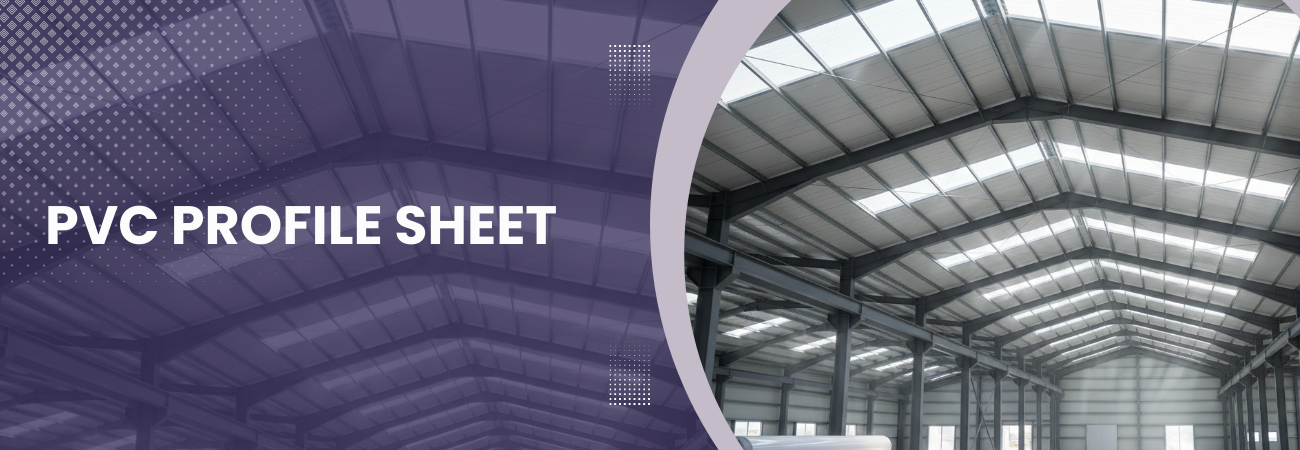
PVC Profile Sheet: Durable & Cost-Effective Roofing Solution
Introduction
PVC Profile Sheet has become one of the most reliable roofing and cladding materials used in residential, commercial, and industrial projects. Known for its durability, lightweight structure, and excellent resistance to harsh weather conditions, PVC Profile Sheets provide a modern alternative to traditional metal and asbestos roofing materials.
In today’s construction industry, builders and architects prioritize roofing materials that are long-lasting, economical, and easy to install. PVC Profile Sheets meet all these requirements while offering exceptional resistance to corrosion, moisture, chemicals, and UV exposure.
This guide covers everything you need to know about PVC Profile Sheets, including their features, fire safety, expected lifespan, load ratings, benefits, applications, installation tips, and maintenance.
What is a PVC Profile Sheet?
A PVC Profile Sheet is a roofing and cladding sheet manufactured from Polyvinyl Chloride (PVC) and molded into various profiles such as corrugated or trapezoidal designs. These profiles enhance the sheet’s strength, rigidity, and load-bearing capacity.
Unlike conventional roofing materials, PVC Profile Sheets are lightweight, corrosion-resistant, waterproof, and highly durable, making them suitable for various construction projects.
PVC Profile Sheets are also commonly known as:
- PVC Roofing Sheets
- Plastic Roofing Sheets
- Corrugated PVC Sheets
Key Features of PVC Profile Sheets
1. Lightweight Construction
PVC Profile Sheets are significantly lighter than metal or concrete roofing materials, making transportation and installation easier while reducing labor costs.
2. Excellent Corrosion Resistance
Unlike metal roofing, PVC sheets do not rust or corrode when exposed to moisture, chemicals, or coastal environments.
3. High Durability
These sheets are designed to withstand:
- Heavy rainfall
- Strong winds
- UV radiation
- Temperature variations
Their durability ensures a long service life with minimal maintenance.
4. UV and Weather Resistance
Manufactured with UV stabilizers, PVC Profile Sheets resist fading, cracking, and weather-related damage.
5. Chemical Resistance
PVC roofing sheets are highly resistant to:
- Acids
- Alkalis
- Industrial chemicals
This makes them ideal for chemical plants, factories, and industrial facilities.
6. Fire-Rated Performance
Quality PVC roofing sheets are formulated to be self-extinguishing meaning the material stops burning once the external flame source is removed, rather than continuing to burn on its own. This is a common and important question from industrial buyers, particularly for factories, warehouses, and chemical facilities where fire safety compliance is non-negotiable.
7. Low Maintenance
PVC Profile Sheets require very little maintenance because they:
- Do not rust
- Do not rot
- Do not require repainting
- Are easy to clean
Types of PVC Profile Sheets
1. Corrugated PVC Sheets
Corrugated sheets feature wave-shaped profiles that improve structural strength and facilitate efficient water drainage.
Common applications include:
- Warehouses
- Industrial sheds
- Agricultural buildings
- Temporary shelters
2. Trapezoidal PVC Sheets
Trapezoidal Profile Sheets provide enhanced load-bearing capacity and are commonly used in:
- Commercial buildings
- Large warehouses
- Industrial roofing systems
3. Transparent and Translucent PVC Sheets
These sheets allow natural daylight to pass through, making them suitable for:
- Greenhouses
- Skylights
- Covered walkways
- Agricultural structures
Benefits of PVC Roofing Sheets
1. Cost-Effective Solution
PVC roofing sheets are more affordable than many traditional roofing materials while offering a longer lifespan and lower maintenance costs.
2. Energy Efficiency
Reflective PVC sheets help reduce heat absorption, improving indoor comfort and reducing cooling costs.
3. Waterproof Performance
PVC Profile Sheets provide complete protection against rainwater and moisture.
4. Eco-Friendly Material
Many modern PVC sheets are recyclable and manufactured using environmentally responsible processes.
5. Attractive Appearance
Available in multiple:
- Colors
- Profiles
- Thicknesses
- Surface finishes
PVC sheets complement various architectural designs.
Applications of PVC Profile Sheets
PVC Profile Sheets are widely used across multiple industries.
1. Industrial Buildings
Ideal for:
- Manufacturing plants
- Warehouses
- Factories
- Chemical processing units
2. Agricultural Structures
Commonly used in:
- Poultry farms
- Dairy farms
- Greenhouses
- Livestock shelters
3. Residential Roofing
Suitable for:
- Garages
- Patios
- Verandas
- Car parking sheds
- Garden shelters
4. Commercial Buildings
Widely installed in:
- Shopping complexes
- Parking structures
- Outdoor walkways
- Storage facilities
5. Temporary Structures
PVC Profile Sheets are perfect for:
- Construction site shelters
- Event venues
- Temporary warehouses
- Portable buildings
Wind & Load Rating for Industrial Buyers
For warehouses, factory roofing, and large-span sheds, wind uplift resistance and load-bearing capacity matter as much as weather resistance a sheet that handles rain and UV fine can still fail in high wind if it’s not specified correctly for the span and support spacing.
A few things that affect real-world performance:
- Profile depth matters more than sheet thickness alone: Trapezoidal profiles with deeper corrugations generally handle higher wind and snow loads than shallow corrugated profiles of the same material thickness, because the profile shape itself adds structural rigidity.
- Support spacing (purlin spacing) drives the load rating: The same sheet can be rated for a higher load over closely spaced supports and a lower load over widely spaced ones this is why load tables are always given per span, not as a single flat number.
- Fastening pattern affects wind uplift resistance: Under-fastened sheets are a common cause of wind damage regardless of the sheet’s own rated capacity always follow the manufacturer’s recommended fastener spacing and type for the wind zone you’re building in.
For any project where wind load is a genuine structural concern coastal sites, tall industrial sheds, cyclone-prone regions it’s worth having your structural consultant confirm the exact span and fastening spec against the manufacturer’s tested load data rather than relying on general PVC roofing figures.
Installation Tips
Proper installation ensures maximum durability and performance.
-
Use Quality Fasteners
Always use corrosion-resistant screws with rubber washers.
-
Maintain Proper Overlap
Proper sheet overlap prevents leakage during heavy rainfall.
-
Strong Support Structure
Install sheets over a properly designed framework to withstand wind loads.
-
Allow Thermal Expansion
Leave sufficient space for thermal expansion during installation.
Maintenance Guide
PVC roofing sheets require minimal maintenance.
Recommended maintenance includes:
- Cleaning dust and debris periodically
- Inspecting fasteners regularly
- Checking for damage after storms
- Keeping drainage paths clear
With routine maintenance, PVC Profile Sheets can perform efficiently for many years.
PVC Profile Sheets vs Traditional Roofing
| Feature | PVC Profile Sheet | Metal Roofing |
|---|---|---|
| Corrosion Resistance | Excellent | Moderate |
| Weight | Lightweight | Heavy |
| Maintenance | Low | Medium |
| Chemical Resistance | High | Low |
| Waterproof | Excellent | Good |
| Fire Safety | Self-extinguishing formulation (confirm certified rating with supplier) | Non-combustible, but can conduct and radiate heat in a fire |
| Lifespan (Years) | Typically 20–25+ years with proper installation and maintenance | Typically 15–25 years, shorter in corrosive/coastal environments without coating maintenance |
| Installation | Easy | Moderate |
| Cost | Affordable | Medium |
Lifespan and fire safety figures above are general industry ranges for quality PVC roofing confirm exact figures against your product’s actual warranty terms and certification before publishing.
Future Demand for PVC Roofing Sheets
The demand for PVC roofing sheets continues to grow due to rapid infrastructure development, industrial expansion, and increasing preference for sustainable building materials.
Modern manufacturing technologies have made PVC Profile Sheets stronger, more energy-efficient, and environmentally friendly, making them one of the preferred roofing solutions for future construction projects.
Conclusion
PVC Profile Sheets have emerged as one of the most reliable roofing and cladding materials for residential, commercial, agricultural, and industrial applications. Their lightweight construction, corrosion resistance, waterproof performance, chemical resistance, fire-safe formulation, and affordability make them an excellent investment for long-term roofing solutions.
Whether you’re constructing a warehouse, factory, greenhouse, or residential extension, PVC Profile Sheets provide a durable, low-maintenance, and cost-effective roofing option one that’s built to perform for two decades or more when specified and installed correctly for your wind zone and load requirements.
FAQs
1. What are PVC profile sheets used for?
PVC profile sheets are commonly used for roofing, wall cladding, industrial sheds, warehouses, agricultural buildings, and residential outdoor structures.
2. Are PVC roofing sheets durable?
Yes, PVC roofing sheets are highly durable and resistant to corrosion, moisture, chemicals, and UV rays, making them suitable for long-term use.
3. What is the difference between PVC sheets and metal roofing sheets?
PVC sheets are lightweight, corrosion-resistant, and require less maintenance compared to metal roofing sheets, which can rust over time.
4. Are corrugated PVC sheets waterproof?
Yes, corrugated PVC sheets are completely waterproof and provide excellent protection against rain and moisture.
5. How many years do PVC roofing sheets typically last?
Quality PVC roofing sheets generally last 20 to 25 years or more when properly installed and maintained, though the exact figure depends on formulation, UV stabilization, and local climate exposure