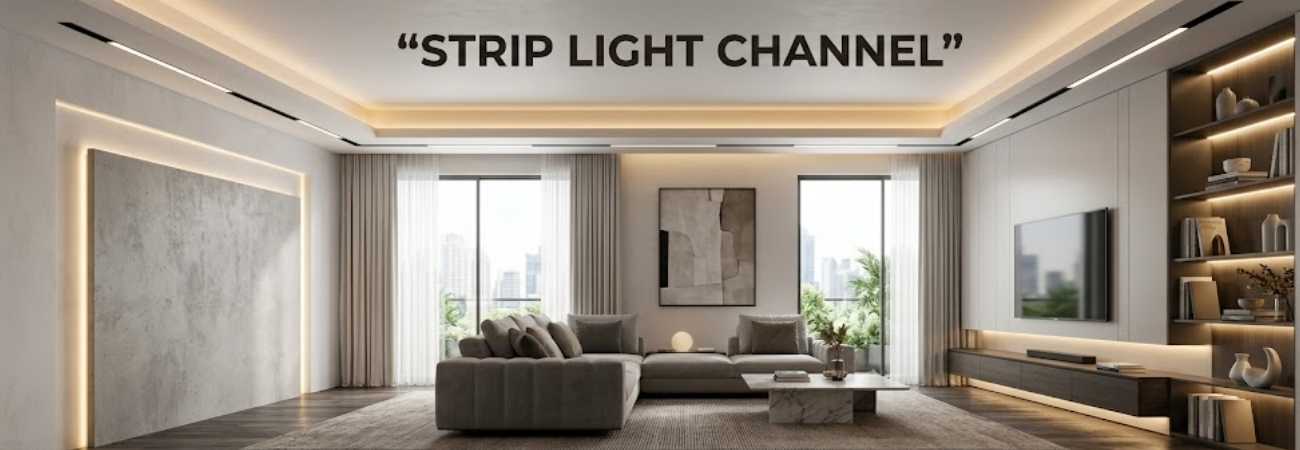
Strip Light Channel: The Complete Guide to Modern LED Lighting Solutions
Introduction
Lighting plays a crucial role in enhancing the look, functionality, and ambiance of any space. Among the most innovative and stylish lighting solutions available today is the Strip Light Channel, a must-have for both residential and commercial interiors.
In this comprehensive guide, therefore, we’ll explore everything you need to know about strip light channels, including their benefits, types, and applications. We will also look at why they are essential for LED lighting installations.
What is a Strip Light Channel?
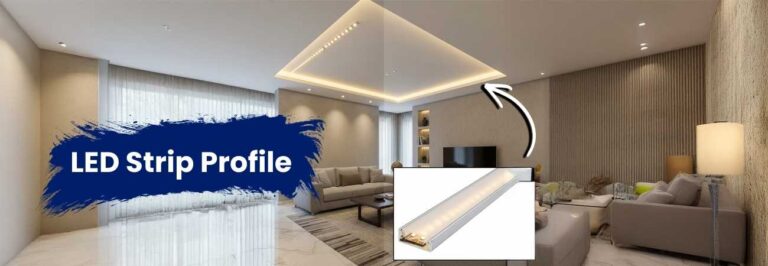
A Strip Light Channel is a protective housing that holds LED strip lights. Manufacturers typically make it from durable materials like aluminum, and it comes with a cover or diffuser to evenly distribute light. As a result, this setup not only enhances the aesthetic appeal but also improves the performance and lifespan of LED strips.
Also Known As an Aluminum LED Profile
People commonly refer to these channels as an aluminum LED profile. Specifically, they provide structure, protection, and a refined look to LED lighting systems.
Why Use a Strip Light Channel?
Many people install LED strip lights directly, but without a proper channel, the results often look unfinished and may reduce the lifespan of the LEDs. Here are the key reasons why strip light channels are essential:
1. Enhanced Aesthetic Appeal
Strip light channels create a clean and professional lighting finish. Instead of exposed LED strips, you get a seamless lighting line that complements modern interiors.
2. Better Heat Dissipation
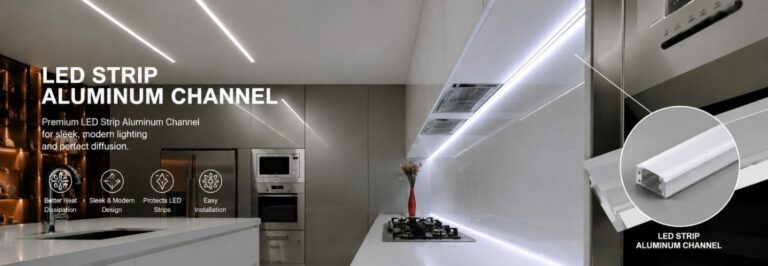
An LED aluminum extrusion acts as a heat sink, helping dissipate the heat that LED strips generate. As a result, this significantly increases the lifespan of the lights.
3. Protection from Dust and Damage
LED strips are delicate. Therefore, a LED channel with diffuser protects them from dust, moisture, and physical damage, ensuring long-term performance.
4. Uniform Light Distribution
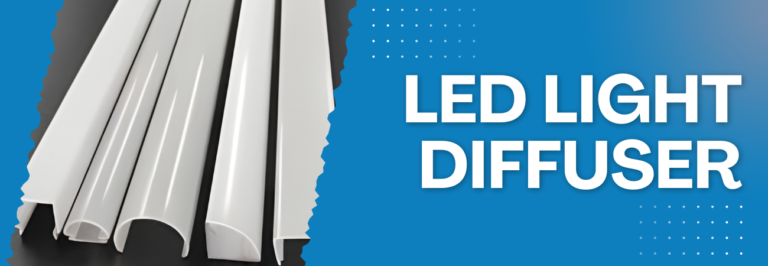
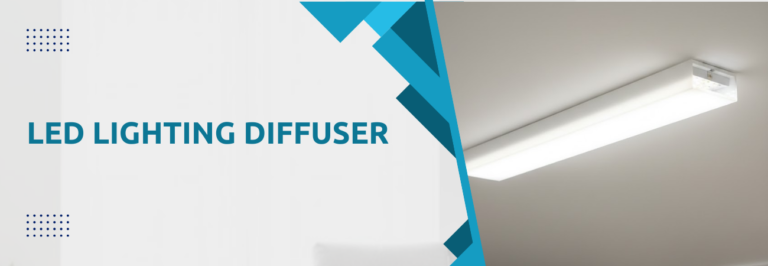
The diffuser cover eliminates harsh spots and spreads light evenly, giving a soft and elegant glow.
5. Versatile Installation
You can install strip light channels in ceilings, walls, cabinets, floors, and even furniture, which makes them highly versatile.
Types of Strip Light Channels
There are several types of strip light channels available, each suited to specific applications:
1. Surface Mounted Channels
You install these directly on flat surfaces like walls or ceilings. As a result, they are ideal for quick installations and visible lighting designs.
2. Recessed Channels
Installers embed recessed channels into surfaces, providing a flush and minimalistic look. Perfect, therefore, for modern interiors and false ceilings.
3. Corner Channels
These channels work for 90-degree angles, so they are ideal for under-cabinet lighting and corner installations.
4. Suspended Channels
Installers hang these from ceilings, and offices, showrooms, and commercial spaces commonly use them.
5. Flexible Channels
Designers use flexible strip light channels for curved surfaces or creative lighting designs.
Applications of Strip Light Channels
People widely use strip light channels across different settings due to their flexibility and design advantages:
Home Interiors
- False ceiling lighting
- Under-cabinet kitchen lighting
- Staircase illumination
- Wardrobe and closet lighting
Commercial Spaces
- Office workstations
- Retail display lighting
- Showroom highlights
Architectural Lighting
- Wall grooves
- Cove lighting
- Outdoor facade lighting
Furniture Lighting
- Shelves and cabinets
- Bed back panels
- TV units
Key Features to Look For
When choosing a strip light channel, consider the following factors:
Material Quality
Always opt for high-quality aluminum LED profile for durability and better heat management.
Diffuser Type
Diffusers come in clear, frosted, and milky finishes. Notably, a milky diffuser provides the most uniform lighting.
Size and Compatibility
Ensure the channel fits your LED strip width and installation space.
Mounting Options
Choose between surface, recessed, or suspended mounting based on your project requirements.
Accessories
Finally, look for end caps, mounting clips, and connectors for a complete installation setup.
Advantages of Aluminum LED Profiles
Using an LED aluminum extrusion offers several benefits over other materials:
- Excellent heat dissipation
- Lightweight yet strong construction
- Corrosion resistance
- Long-lasting performance
- Sleek and modern appearance
Because of these advantages, aluminum has become the material most professionals prefer for strip light channels.
Installation Tips for Best Results
To get the most out of your strip light channel, follow these practical tips:
Plan the Layout
Before installation, map out where you will place the lighting for optimal effect.
Use Proper Tools
Ensure accurate cutting and fitting using appropriate tools.
Secure Mounting
Use mounting clips or adhesive properly to avoid loose fittings.
Test Before Final Fixing
Always test the LED strip before sealing it inside the channel.
Choose the Right Diffuser
Select a diffuser that matches your lighting needs soft glow or bright output.
Strip Light Channel vs Direct LED Strip Installation
| Feature | Strip Light Channel | Direct LED Strip |
|---|---|---|
| Appearance | Professional & clean | Raw & exposed |
| Durability | High | Low |
| Heat Management | Excellent | Poor |
| Light Distribution | Even | Spotty |
| Protection | Strong | Minimal |
Clearly, therefore, using a LED channel with diffuser is the superior choice for long-term and visually appealing lighting.
Future Trends in LED Channel Lighting
The demand for strip light channels is growing rapidly due to advancements in lighting technology. Some emerging trends include:
- Smart LED integration
- Motion-sensor lighting channels
- Customizable RGB lighting
- Ultra-slim and invisible profiles
Overall, these innovations are shaping the future of interior and architectural lighting.
Conclusion
A Strip Light Channel is more than just an accessory, it’s an essential component for achieving high-quality, long-lasting, and visually appealing LED lighting. Whether you’re designing a home, office, or commercial space, investing in a high-quality aluminum LED profile or LED aluminum extrusion ensures durability, performance, and style.
By using a LED channel with diffuser, therefore, you not only enhance the appearance of your lighting setup but also protect your investment and improve efficiency. With the right selection and installation, strip light channels can transform any space into a modern, well-lit environment.
FAQs
1. What is the purpose of a strip light channel?
A strip light channel is used to house and protect LED strip lights while improving their appearance and performance through better heat dissipation and light diffusion.
2. What is a diffuser in an LED channel?
A diffuser is a cover placed over the LED strip inside the channel. It softens and spreads light evenly, reducing glare and hotspots.
3. Can strip light channels be used outdoors?
Yes, but you need weatherproof LED aluminum extrusion channels look for an IP65 rating or higher designed specifically for outdoor use.
4. How do I choose the right LED channel with diffuser?
Consider factors like size, mounting type, diffuser finish, and material quality to ensure compatibility with your LED strip and application.
5. What channel width do I need for my LED strip?
Measure your LED strip’s width first. As a general guide, 10mm channels suit most standard strips, while 6–8mm channels fit slim strips and 15mm+ channels are meant for high-power or multi-row strips. Check the sizing table above for a fuller breakdown.