Why Plastic Channels Are Becoming the Smart Choice for Modern Manufacturing
Introduction
If you have ever worked on a construction project, a display setup, or an industrial assembly line, chances are you have run into a small but mighty component: the plastic channels. It doesn’t get much attention, but without it, a lot of everyday products and structures would quite literally fall apart.
Plastic channels are one of those “invisible” materials always doing the job, rarely getting the credit. In this blog, we will break down what plastic channels actually are, why industries are shifting toward them, and how choices like plastic C channels, plastic extruded channels, and plastic channel profiles fit into the bigger picture.
What Exactly Are Plastic Channels?
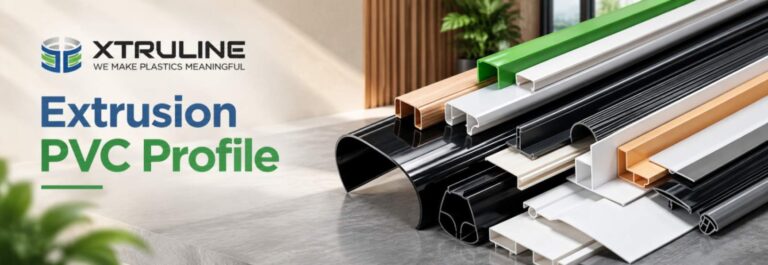
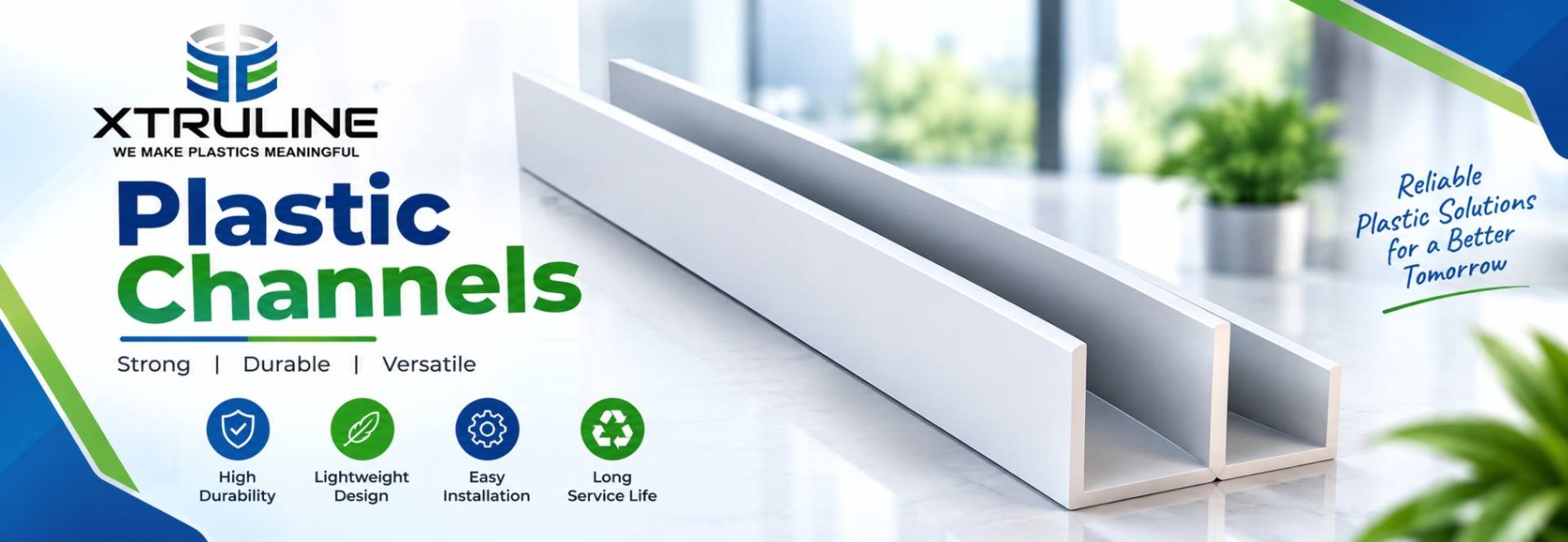
At their core, plastic channels are long, shaped strips of plastic designed to hold, guide, protect, or frame other materials. Think of them as structural helpers they hold glass panels in place, protect sharp edges, guide sliding parts, or create clean borders around signage and displays.
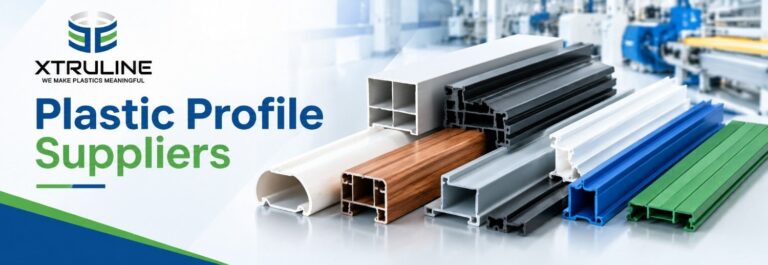
Unlike metal channels, plastic versions are lightweight, rust-resistant, and far easier to cut, shape, or install. That’s a big reason industries are steadily replacing metal with plastic alternatives. Plastic channels usually come in shapes like U, C, J, or H profiles, and the shape you choose depends entirely on what you’re trying to hold, cover, or protect.
Understanding Plastic C Channels
Among the many channel shapes available, plastic C channels are one of the most widely used. As the name suggests, the profile resembles the letter “C,” creating a groove that securely holds panels or sheets on three sides while leaving one side open for sliding insertion.
This design makes plastic C channels useful for:
- Holding glass or acrylic panels in cabinets and partitions
- Framing signage and display boards
- Creating edge protection for shelves and furniture
- Running cables or wires along a clean, enclosed path
Because the “C” shape wraps around the material from multiple sides, it offers better grip and stability than flat, single-sided profiles. That’s why you’ll often see plastic C channels used in retail fixtures, office partitions, and even vehicle interiors.
The Role of Plastic Extruded Channels
Most high-quality plastic channels, including C channels, are made using a process called extrusion which is where plastic extruded channels get their name. In simple terms, extrusion involves melting raw plastic and pushing it through a shaped die, much like squeezing dough through a mold, to create a continuous length of the desired profile.
This process gives you:
- Long, seamless lengths without joints or weak points
- Tight dimensional accuracy for a precise fit
- Cost-effective bulk production
- Flexibility to customize thickness, color, and rigidity
If your project needs channels that perform consistently across hundreds of meters of shelving or paneling, plastic extruded channels are almost always the more reliable, economical choice over molded or fabricated alternatives.
Why Plastic Channel Profiles Matter
Not all channels are created equal, even when they look similar. This is where plastic channel profiles come in. A “profile” refers to the cross-sectional shape and design of the channel its blueprint. The profile determines how much weight it holds, how tightly it grips a panel, and how well it fits your application.
Choosing the right profile depends on:
- Material thickness – Thicker channels offer more strength but less flexibility.
- Application environment – Indoor use allows lighter materials; outdoor use demands UV and weather resistance.
- Load requirements – Heavier panels need deeper, sturdier grooves.
- Aesthetic finish – Visible channels, like in retail displays, often need a clean, polished look.
Getting the profile wrong can lead to cracking, warping, or panels slipping loose over time which is why working with a manufacturer who understands profile engineering makes a real difference.
Why Industries Are Switching to Plastic
Lightweight yet durable.
Plastic channels weigh significantly less than metal, making transport and installation faster without sacrificing strength for most applications.
Corrosion resistance.
Plastic doesn’t rust or degrade with moisture exposure, making it ideal for bathrooms, kitchens, and outdoor structures.
Cost efficiency.
Extrusion keeps manufacturing costs lower, translating into more affordable pricing for large-scale projects.
Design flexibility.
Plastic can be produced in custom colors and finishes, giving designers more creative freedom than rigid metal options.
Low maintenance.
No painting or rust treatment needed plastic channels stay low-maintenance for years.
Where Plastic Channels Are Commonly Used
- Retail and signage – Framing boards and holding acrylic display panels
- Furniture manufacturing – Edge protection and panel holding in cabinets and shelving
- Construction – Window glazing, partition walls, and protective trims
- Automotive – Interior panel trims and cable management
- Electronics – Enclosures and internal component guides
This versatility is exactly why demand for plastic C channels, plastic extruded channels, and plastic channel profiles keeps growing.
How to Choose the Right Plastic Channel
Before ordering in bulk, ask yourself:
- What material will the channel hold glass, acrylic, wood, or metal?
- Will it be used indoors or exposed to sunlight and weather?
- Does the project need a specific color or transparent finish?
- What length and thickness will balance strength with flexibility?
Answering these upfront saves time, reduces waste, and ensures your final product performs exactly as intended.
Conclusion
Plastic channels may be small in size, but their impact on modern design and manufacturing is anything but minor. Whether you need the secure grip of plastic C channels, the precision of plastic extruded channels, or a fully customized plastic channel profile, the right choice can genuinely elevate the durability and finish of your project.
Ready to source high-quality plastic channels for your next project? Visit Xtruline to explore custom plastic C channels, extruded profiles, and tailored channel solutions built to your exact specifications.
FAQs
Plastic C channels are shaped like the letter “C” and hold materials on three sides, offering strong grip and stability. Other profiles, like U or J channels, suit different holding or edging needs, so the right choice depends on your application.
Extruded channels typically offer more consistent strength and dimensional accuracy since they’re formed as one continuous piece without joints, making them ideal for long runs and uniform performance.
Yes, many plastic channels are designed with UV-resistant and weatherproof formulations for outdoor use. Confirm the material grade with your supplier before installing them outside.
You generally need a channel with a deep, snug groove and enough thickness to prevent slipping or cracking, based on the glass thickness and weight it needs to support.
Yes, plastic channels are usually more affordable to manufacture and install due to lighter weight, easier handling, and lower material costs, while still offering solid durability.