Profile Extrusion Plastic: A Complete Guide to Plastic Profile Extrusion
Introduction
Plastic manufacturing has evolved significantly in recent decades, allowing industries to create highly customized products with precision and efficiency. One of the most widely used manufacturing techniques is Profile Extrusion Plastic, a process used to produce continuous plastic shapes with consistent cross-sections. From construction materials to automotive components, this technology plays a vital role in modern manufacturing.
In this blog, we will explore the plastic profile extrusion process, its benefits, applications, and why custom plastic extrusion is becoming increasingly important across industries.
What is Profile Extrusion Plastic?
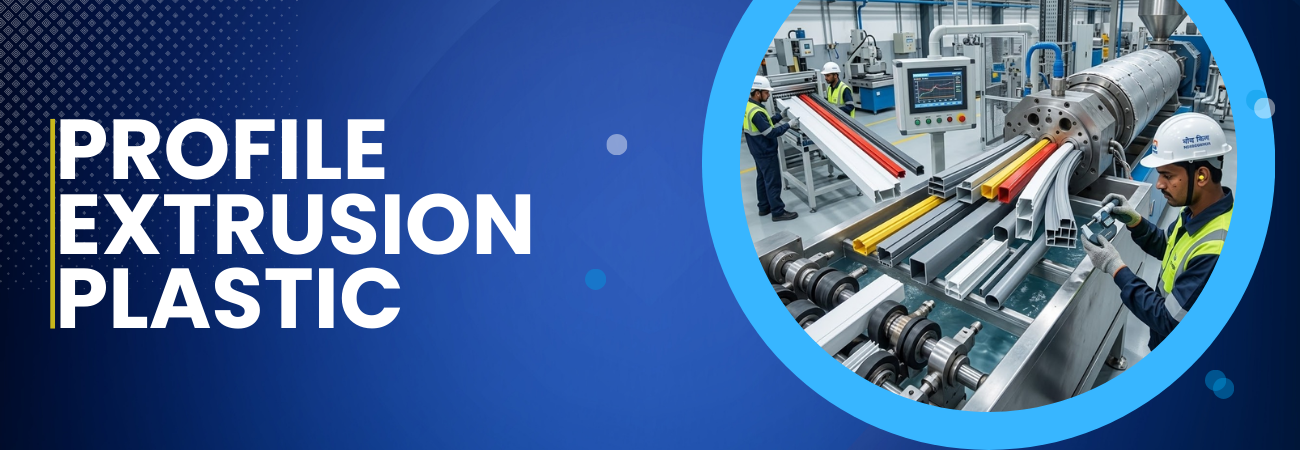
Profile Extrusion Plastic is a manufacturing process used to produce continuous plastic shapes by forcing melted plastic material through a specially designed die. Once the plastic exits the die, it is cooled and cut to the required length.
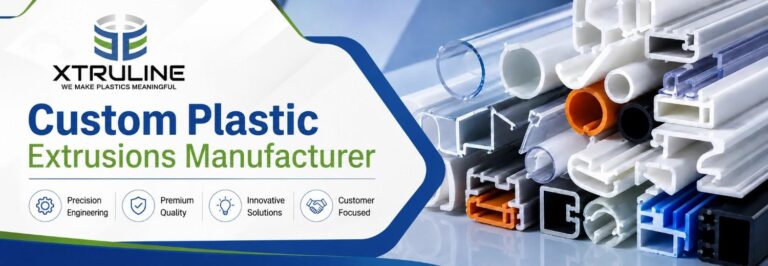
Unlike other plastic manufacturing methods, plastic profile extrusion is ideal for producing complex and consistent shapes such as:
- Window frames
- PVC pipes and tubing
- Plastic trims
- Door seals
- Plastic channels and rails
The process ensures high precision, repeatability, and cost efficiency, making it widely used in industries that require large volumes of identical plastic components.
How Plastic Profile Extrusion Works
Understanding the plastic extrusion profiles manufacturing process helps explain why it is so effective for producing customized plastic products.
1. Raw Material Preparation
The process begins with plastic pellets or granules made from materials such as:
- PVC (Polyvinyl Chloride)
- HDPE (High-Density Polyethylene)
- ABS (Acrylonitrile Butadiene Styrene)
- Polypropylene
- Polycarbonate
These raw materials are loaded into the hopper of an extrusion machine.
2. Melting Process
The heat and friction melt the plastic into a thick, viscous liquid.
3. Shaping Through the Die
The molten plastic is pushed through a custom-designed die that shapes it into the desired profile. This step is the most critical part of the custom plastic extrusion process.
4. Cooling and Solidifying
After exiting the die, the plastic profile is cooled using water baths or cooling systems to solidify the shape.
5. Cutting and Finishing
Finally, the extruded plastic is cut to the required length or wound onto spools depending on the application.
Benefits of Plastic Profile Extrusion
The plastic profile extrusion process offers several advantages that make it one of the most preferred plastic manufacturing methods.
1. Cost-Effective Production
Extrusion is highly efficient for producing large quantities of identical products, which significantly reduces manufacturing costs.
2. Design Flexibility
Manufacturers can create complex cross-sectional shapes that would be difficult to achieve with other processes.
3. Continuous Production
Since extrusion is a continuous process, it allows for high production output without interruptions.
4. Material Versatility
A wide variety of plastic materials can be used, allowing manufacturers to tailor the product properties for specific applications.
5. Minimal Waste
Plastic extrusion produces very little waste because excess material can often be recycled and reused in the process.
Applications of Plastic Extrusion Profiles
Plastic extrusion profiles are used in a wide range of industries due to their versatility and durability.
Construction Industry
In construction, plastic extrusion is used to produce:
- Window and door frames
- PVC trims
- Wall panels
- Cable management systems
These components offer excellent durability and resistance to environmental conditions.
Automotive Industry
Automotive manufacturers rely on custom plastic extrusion for components such as:
- Weather seals
- Trim moldings
- Dashboard components
- Wire protection channels
Plastic extrusion provides lightweight solutions that help improve vehicle efficiency.
Electrical and Electronics
Plastic extrusion profiles are widely used for:
- Cable conduits
- Insulation channels
- Protective covers
Furniture and Interior Design
Extruded plastic profiles are also used in modern furniture designs, including:
- Decorative trims
- Sliding door tracks
- Panel frames
Their sleek design and durability make them ideal for interior applications.
Retail and Display Systems
Retail industries use plastic extrusion profiles for:
- Display racks
- Sign holders
- Shelf edging
These components improve product visibility and store organization.
Types of Plastic Used in Profile Extrusion
Different types of plastic materials are used depending on the product requirements.
PVC (Polyvinyl Chloride)
PVC is one of the most commonly used materials due to its durability, affordability, and weather resistance.
Polyethylene (PE)
Polyethylene is known for its flexibility and chemical resistance, making it suitable for industrial applications.
Polypropylene (PP)
Polypropylene offers excellent strength and heat resistance, often used in automotive and packaging industries.
ABS Plastic
ABS is highly durable and impact-resistant, making it ideal for structural components.
Polycarbonate
Polycarbonate provides high transparency and strength, often used in lighting and safety applications.
Custom Plastic Extrusion for Modern Industries
One of the biggest advantages of the plastic extrusion profiles process is the ability to produce custom plastic extrusion solutions.
Manufacturers can design profiles based on specific requirements such as:
- Unique shapes and sizes
- Multi-material extrusion
- Co-extrusion layers
- Special surface finishes
This flexibility allows companies to develop innovative products tailored to their industry needs.
For example, construction companies often require custom window frame profiles, while automotive manufacturers need specialized sealing systems.
Quality Control in Plastic Profile Extrusion
Maintaining high quality in plastic profile extrusion is essential for ensuring product reliability.
Manufacturers implement strict quality control measures including:
- Dimensional accuracy checks
- Material strength testing
- Surface finish inspection
- Temperature and pressure monitoring
These checks ensure that every extruded plastic profile meets industry standards.
Future of Plastic Profile Extrusion
The demand for plastic profile extrusion continues to grow as industries look for lightweight, durable, and cost-effective solutions.
Future innovations in this field include:
- Sustainable and recyclable plastics
- Advanced extrusion technologies
- Energy-efficient manufacturing processes
- Smart automation systems
These advancements will help manufacturers produce more environmentally friendly and high-performance plastic products.
Conclusion
Profile Extrusion Plastic is a highly efficient manufacturing process that enables the production of durable, customizable, and cost-effective plastic components. From construction and automotive to retail and electronics, plastic extrusion profiles are essential in modern industries.
With the growing demand for custom plastic extrusion solutions, manufacturers continue to innovate and develop new technologies that improve efficiency and sustainability.
As industries continue to evolve, plastic profile extrusion will remain a crucial process for creating versatile plastic products that meet the needs of modern manufacturing.
FAQs
1. What is plastic profile extrusion used for?
Plastic profile extrusion is used to produce continuous plastic shapes such as window frames, trims, seals, channels, and tubing used in construction, automotive, and electronics industries.
2. What materials are commonly used in plastic profile extrusion?
Common materials include PVC, polyethylene, polypropylene, ABS, and polycarbonate. Each material offers unique properties suitable for different applications.
3. What is custom plastic extrusion?
Custom plastic extrusion is a process where plastic profiles are designed and manufactured according to specific customer requirements, including unique shapes, sizes, and materials.
4. What industries use plastic extrusion profiles?
Industries such as construction, automotive, electrical, furniture, and retail rely heavily on plastic extrusion profiles for various structural and functional components.
5. What are the advantages of plastic profile extrusion?
The main advantages include cost-effective production, design flexibility, continuous manufacturing, minimal waste, and compatibility with various plastic materials.