
Introduction
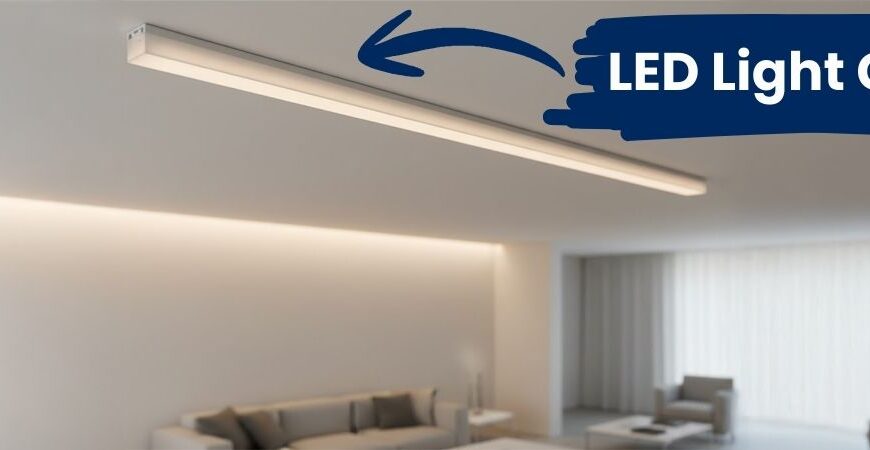
Lighting plays a crucial role in defining the ambiance, comfort, and efficiency of any space. Whether it’s a residential room, commercial office, retail store, or industrial facility, the quality of light matters just as much as the brightness. This is where an LED lighting diffuser becomes essential. It enhances light distribution, reduces glare, and creates a smooth, uniform illumination effect.
In this comprehensive guide, we will explore everything about LED lighting diffusers, their benefits, types, applications, and how to choose the right one. We’ll also discuss related products such as LED panel diffuser, light diffuser panel, and LED light diffuser panel to help you make an informed decision.
What is an LED Lighting Diffuser?
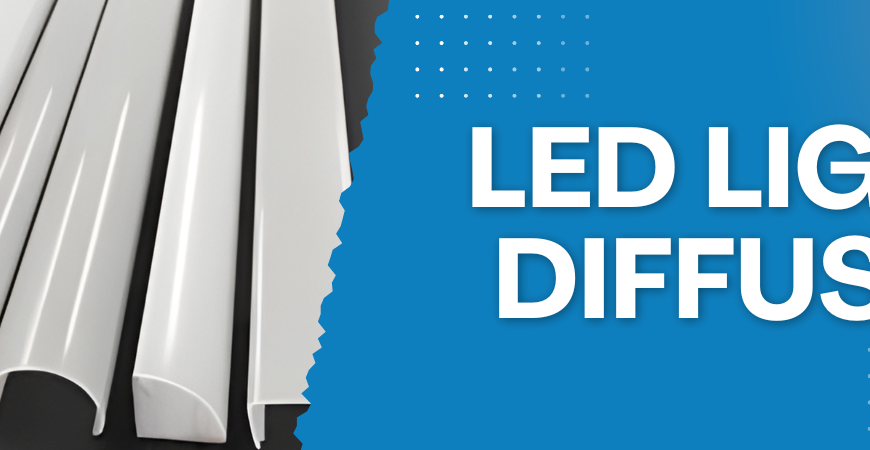
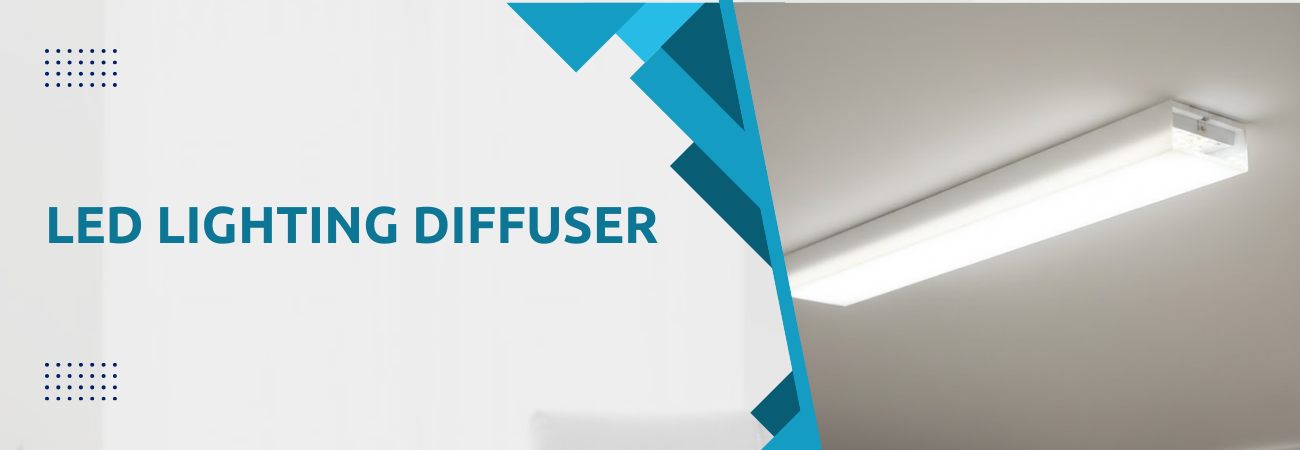
An LED lighting diffuser is a translucent or frosted material placed over LED light sources to distribute light evenly. LEDs naturally emit intense and directional light, which can cause glare or harsh shadows. A diffuser softens the light by scattering it, creating a balanced and visually comfortable illumination.- Acrylic (PMMA)
- Polycarbonate (PC)
- Polystyrene (PS)
- Frosted glass
Why is an LED Lighting Diffuser Important?
1. Reduces Glare
LED lights are bright and energy-efficient, but direct exposure can cause eye strain. A diffuser spreads the light evenly, reducing harsh glare and making the environment more comfortable.2. Improves Light Distribution
Without a diffuser, LEDs create uneven hotspots. A light diffuser panel ensures uniform illumination across the surface.3. Enhances Aesthetic Appeal
Diffusers give lighting fixtures a clean, professional finish. They hide individual LED chips and provide a smooth glow.4. Increases Lighting Efficiency
High-quality LED light diffuser panels maximize light transmission while maintaining proper diffusion, ensuring optimal brightness without energy loss.5. Protects LED Components
Diffusers act as a protective barrier against dust, moisture, and physical damage, extending the lifespan of LED fixtures.Types of LED Lighting Diffusers
Choosing the right diffuser depends on your application and lighting goals. Below are the most common types:1. Frosted Diffusers
Frosted LED lighting diffusers scatter light evenly and reduce visibility of LED dots. Ideal for indoor residential and office use.2. Prismatic Diffusers
These have micro-patterns that control light direction and reduce glare. Often used in commercial lighting systems.3. Opal Diffusers
Opal diffusers provide high diffusion and soft lighting. Commonly used in LED panel diffuser applications.4. Clear Diffusers with Micro-Texture
They maintain high light transmission while slightly diffusing the light, suitable for decorative lighting.5. Acrylic LED Light Diffuser Panels
Acrylic panels are lightweight, durable, and offer excellent optical clarity. They are widely used in ceiling lights and signage.Applications of LED Lighting Diffusers
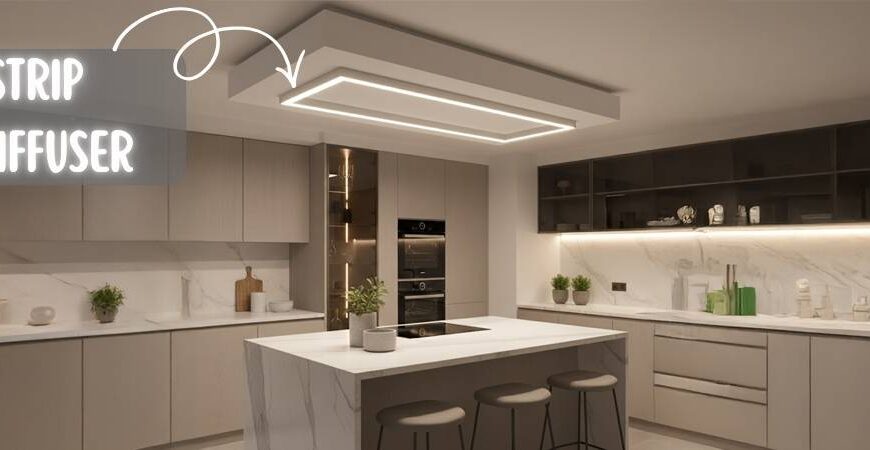
LED lighting diffusers are used across multiple industries and environments:Residential Spaces
- Living rooms
- Kitchens
- Bedrooms
- Bathrooms
Commercial Offices
- Conference rooms
- Workstations
- Reception areas
Retail Stores
Uniform lighting enhances product visibility and improves the shopping experience.Hospitals & Healthcare Facilities
Soft, glare-free lighting is essential for patient comfort and clinical accuracy.Industrial Areas
Durable LED light diffuser panels protect fixtures in warehouses and factories.LED Panel Diffuser vs. Light Diffuser Panel: What’s the Difference?
- LED panel diffuser: Specifically designed for LED panel lights. These panels are integrated into LED fixtures.
- Light diffuser panel: A broader term that includes diffusers for various lighting types, not limited to LEDs.
- LED light diffuser panel: Refers specifically to diffuser panels made for LED lighting systems.
Materials Used in LED Lighting Diffusers
Acrylic (PMMA)
- High light transmission
- UV resistant
- Excellent optical clarity
- Lightweight and durable
Polycarbonate (PC)
- Impact resistant
- Heat resistant
- Ideal for industrial applications
Polystyrene (PS)
- Cost-effective
- Suitable for basic lighting needs
How to Choose the Right LED Lighting Diffuser
Selecting the right diffuser requires considering several factors:1. Light Transmission
Higher transmission means brighter output. Choose based on required brightness levels.2. Diffusion Level
If you want soft, uniform light, go for high-diffusion options like opal or frosted panels.3. Thickness
Thicker panels provide better diffusion but may reduce light transmission slightly.4. Application Environment
For outdoor or industrial use, select impact-resistant materials like polycarbonate.5. Size & Compatibility
Ensure the LED light diffuser panel matches your LED fixture dimensions.Benefits of Using LED Light Diffuser Panel
- Enhanced visual comfort
- Professional lighting appearance
- Increased fixture lifespan
- Improved energy efficiency
- Better light distribution
- Reduced maintenance costs
Maintenance and Care Tips
To ensure longevity:- Clean regularly using a soft cloth.
- Avoid harsh chemicals.
- Inspect for cracks or discoloration.
- Replace damaged panels promptly.
Future Trends in LED Lighting Diffusers
The lighting industry is evolving rapidly. Some upcoming trends include:- Smart lighting integration
- Advanced micro-prism technology
- Sustainable and recyclable materials
- Enhanced UV-resistant coatings
- Customized architectural diffuser designs
Conclusion
An LED lighting diffuser is a crucial component in modern lighting systems. It enhances illumination quality, reduces glare, and provides a uniform lighting effect suitable for residential, commercial, and industrial applications. Whether you need a LED panel diffuser, a general light diffuser panel, or a specialized LED light diffuser panel, choosing the right material and design ensures optimal performance. With proper selection and maintenance, LED diffusers can significantly improve lighting comfort and efficiency. Invest in quality diffusers to create brighter, softer, and more comfortable spaces.FAQs
1. What does an LED lighting diffuser do?
An LED lighting diffuser spreads and softens light emitted from LED sources, reducing glare and creating uniform illumination.
2. What is the difference between an LED panel diffuser and a light diffuser panel?
An LED panel diffuser is specifically designed for LED panel lights, while a light diffuser panel can be used for various lighting types.
3. Which material is best for LED light diffuser panels?
Acrylic and polycarbonate are considered the best due to their durability, high light transmission, and impact resistance.
4. Does a diffuser reduce LED brightness?
Yes, slightly. However, it improves light quality and uniformity, which enhances overall lighting performance.
5. Can LED lighting diffusers be used outdoors?
Yes, especially polycarbonate diffusers, which are impact-resistant and suitable for outdoor or industrial environments.
 By
By