How Do Plastic Profile Extruders Create High-Quality Custom Plastic Solutions?
Introduction
FAQs
Plastic profile extruders have become an essential part of modern manufacturing, construction, electrical systems, automotive applications, and interior design. From simple protective edges to complex industrial components, plastic profiles are used in products that require specific shapes, dimensions, and functional properties. Behind these products is a specialized manufacturing process known as plastic extrusion.
Choosing experienced plastic profile extruders is important for businesses that need consistent product quality, accurate dimensions, and customized designs. With the right manufacturing technology and material selection, plastic extrusion can produce components that meet different industrial and commercial requirements.
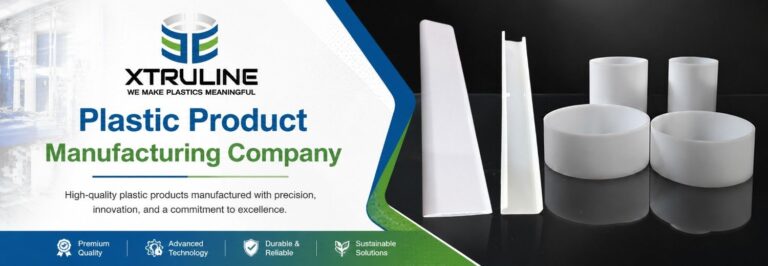
Xtruline specializes in advanced plastic solutions, offering expertise in custom plastic profiles, tubes, sheets, and injection moulding to support diverse manufacturing needs.
What Are Plastic Profile Extruders?
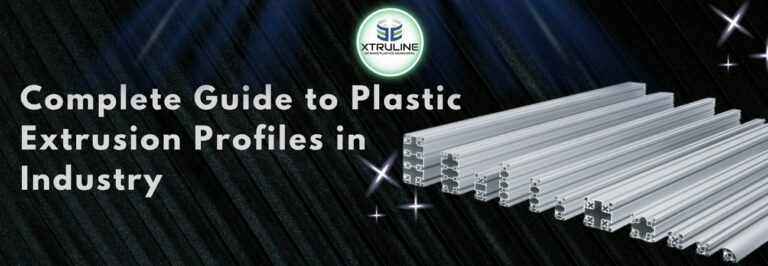
Plastic profile extruders are manufacturers or production specialists that use extrusion technology to create continuous plastic products with specific cross-sectional shapes. The process involves melting raw plastic material and pushing it through a specially designed die to produce a required profile.
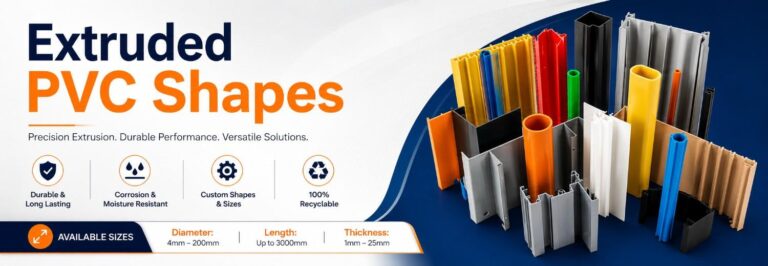
Unlike standard plastic products, custom profiles can be manufactured in different shapes, sizes, colours, and material combinations. These products are designed according to their intended applications and technical specifications.
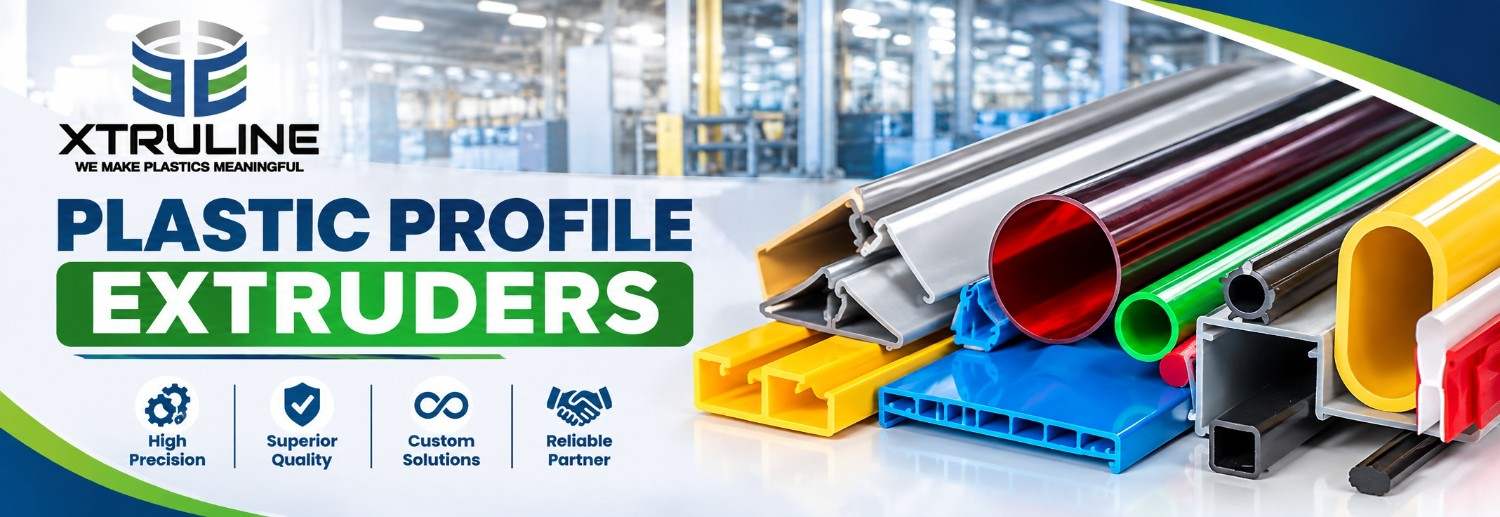
Common examples include:
- PVC profiles for construction and interior applications.
- Plastic channels for cable management and electrical installations.
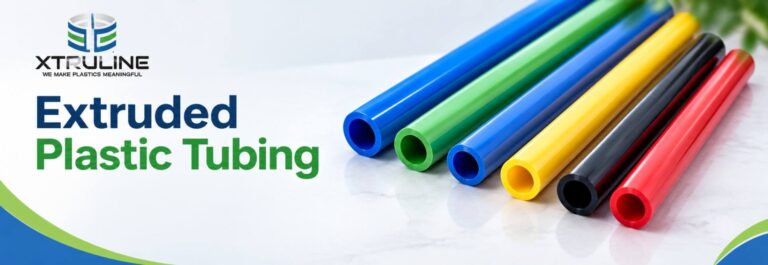
- Plastic tubes for industrial and commercial requirements.
- Plastic angles and corner profiles for edge protection.
- Custom sections for furniture, appliances, and machinery.
- Plastic sheets and specialized extruded components.
The ability to manufacture customized shapes makes extrusion a valuable solution for businesses that require components beyond standard product dimensions.
How Does the Plastic Profile Extrusion Process Work?
Understanding the manufacturing process helps businesses make better decisions when selecting an extrusion partner. Plastic extrusion generally involves several important stages.
1. Raw Material Selection
The process begins with selecting a suitable thermoplastic material. PVC, polyethylene, polypropylene, and other engineering plastics may be considered depending on the product’s intended use.
Material selection depends on factors such as strength, flexibility, temperature resistance, chemical exposure, and environmental conditions.
2. Heating and Melting
The selected plastic material is introduced into an extrusion machine. Inside the machine, controlled heat and mechanical movement soften the material until it reaches a suitable molten condition.
Maintaining consistent processing conditions is important for achieving stable production quality.
3. Die Design and Extrusion
The molten plastic is pushed through a specially designed die that determines the final cross-sectional shape of the product. Die design plays an important role in producing accurate dimensions and maintaining the required profile geometry.
4. Cooling and Calibration
After leaving the die, the extruded product passes through a cooling and calibration system. This stage helps maintain the intended dimensions and shape while the material solidifies.
5. Cutting and Quality Inspection
Once the profile has cooled, it is cut into the required lengths. Manufacturers inspect the finished products for dimensional accuracy, surface appearance, and other application-specific quality requirements.
Following these stages carefully helps achieve consistent production results.
What Are the Benefits of Custom Extruded Plastic Profiles?
Custom extrusion provides several advantages for manufacturers, contractors, and businesses looking for specialized plastic components.
1. Customized Shapes and Dimensions
One of the biggest advantages is the ability to create products according to specific design requirements. Businesses can develop unique cross-sections that suit their applications instead of modifying standard components.
2. Consistent Production
Extrusion is a continuous manufacturing process that supports repeatable production. With properly designed tooling and controlled processing conditions, manufacturers can maintain consistent product dimensions across production runs.
3. Material Versatility
Different thermoplastic materials offer different properties. This allows manufacturers to select materials according to the required strength, flexibility, appearance, and operating environment.
4. Cost-Effective Manufacturing
For suitable product designs and production volumes, extrusion can be an economical manufacturing method. Once the required tooling is developed, continuous production can help reduce manufacturing costs per unit.
5. Multiple Design Possibilities
Manufacturers can develop solid, hollow, complex, and multi-layered profile designs depending on the application. This flexibility supports innovation across different industries.
Where Are Extruded Plastic Profiles Used?
Extruded plastic profiles are widely used across industries because they can be designed for specific functional and structural requirements.
Some important applications include:
Construction and Infrastructure: Plastic profiles are used in window systems, door components, decorative sections, sealing arrangements, and building accessories.
Electrical Industry: Cable management channels, protective covers, and insulation-related components are manufactured using suitable plastic materials.
Automotive Industry: Customized plastic sections are used in interior trims, protective components, finishing elements, and selected structural applications.
Furniture Manufacturing: Plastic edge bands, corner sections, decorative trims, and supporting components contribute to furniture design and finishing.
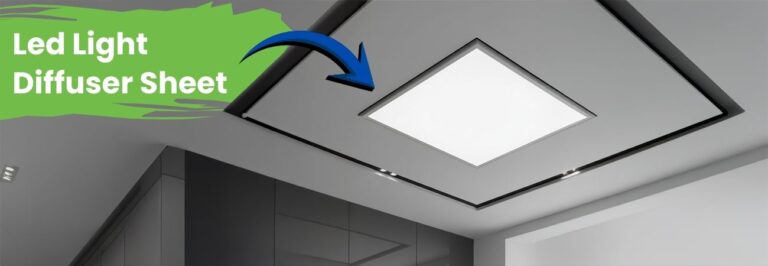
Lighting Industry: Diffusers, LED covers, and lighting channels help improve fixture appearance and support different lighting arrangements.
Industrial Manufacturing: Customized plastic sections are used in machinery, equipment, protective systems, and specialized manufacturing applications.
How to Choose the Right Plastic Extrusion Manufacturer?
Finding a suitable manufacturing partner requires more than comparing product prices. Businesses should evaluate several factors before making a decision.
Manufacturing Experience: Look for a manufacturer with relevant experience in producing plastic profiles for your industry.
Customization Capabilities: Check whether the company can develop products according to your drawings, dimensions, and technical specifications.
Material Knowledge: A reliable manufacturer should understand different plastic materials and their suitability for specific applications.
Quality Control: Ask about dimensional inspection, production monitoring, and quality assurance practices.
Production Capacity: Ensure that the manufacturer can support your required production volumes and delivery schedules.
Communication and Support: Clear communication during product development, sampling, and production helps avoid misunderstandings and unnecessary delays.
Comparing these factors can help businesses identify reliable manufacturing partners for long-term requirements.
What Should Businesses Expect from Plastic Extrusion Companies?
Professional Plastic Extrusion Companies should offer more than basic production services. Businesses often need support throughout the product development process, from initial design discussions to final manufacturing.
Important capabilities may include customized die development, material recommendations, prototype production, dimensional inspections, and assistance with selecting suitable extrusion methods.
Some projects may also require co-extrusion, where two or more materials are combined within a single profile to achieve different functional or visual properties. This approach can be useful when a product needs a combination of flexibility, rigidity, colour, or surface characteristics.
Working with a manufacturer that understands these requirements can make the development process more efficient.
Why Are Reliable Plastic Extrusion Suppliers Important?
Choosing dependable Plastic Extrusion Suppliers helps businesses maintain continuity in their manufacturing and purchasing operations. Product consistency, material quality, communication, and delivery planning all contribute to a successful supply relationship.
A suitable supplier should understand the technical specifications of the required profile and maintain clear production standards. Businesses should also consider whether the supplier can support repeat orders, customized requirements, and future product modifications.
Building a long-term relationship with a capable manufacturing partner can simplify procurement and help maintain consistent product quality.
Why Choose Xtruline for Custom Plastic Profile Solutions?
Xtruline focuses on advanced plastic manufacturing solutions, including custom plastic profiles, tubes, sheets, and injection moulding expertise.
The company understands that different industries require different product designs, dimensions, and material properties. Its focus on customized plastic solutions supports businesses looking for components developed around specific application requirements.
Whether you need specialized profile designs, plastic tubing, extrusion-based components, or customized manufacturing solutions, Xtruline aims to support your requirements with a quality-focused approach.
From product concepts to manufacturing requirements, selecting the right plastic partner can help businesses develop practical and dependable solutions.
Conclusion
Plastic extrusion continues to play an important role in modern manufacturing because it offers flexibility, customization, and efficient production possibilities. Selecting experienced manufacturers helps businesses obtain profiles that meet their required dimensions, material properties, and application needs.
Understanding the extrusion process, evaluating manufacturing capabilities, and choosing suitable materials are important steps toward successful product development.
If your business is looking for customized plastic manufacturing solutions, Xtruline offers expertise in plastic profiles, tubes, sheets, and injection moulding to support diverse industrial requirements.
Looking for customized plastic profile solutions? Connect with Xtruline today!
They manufacture continuous plastic products with specific cross-sectional shapes, including channels, tubes, angles, trims, and customized industrial profiles.
Common materials include PVC, polyethylene, polypropylene, and other thermoplastics. The choice depends on the product’s application and performance requirements.
Construction, automotive, electrical, furniture, lighting, infrastructure, and industrial manufacturing sectors commonly use these products.
Evaluate manufacturing experience, customization capabilities, material knowledge, quality control processes, production capacity, and customer support.
Yes. Custom extrusion dies allow manufacturers to develop different cross-sectional shapes, dimensions, colours, and designs according to project specifications.