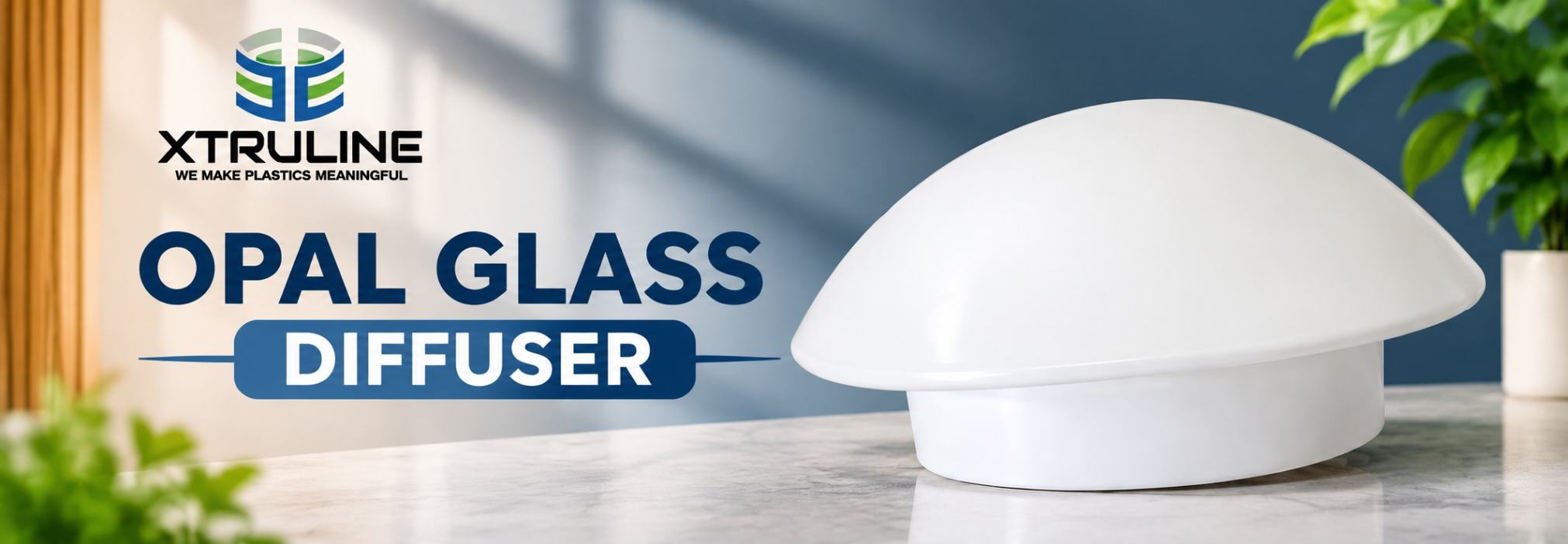
What Is an Opal Glass Diffuser? Features, Uses & Benefits
Introduction
Lighting plays an important role in creating comfortable, functional, and visually appealing spaces. However, the quality of light depends on more than just the LED source or lighting fixture. The way light spreads across a room also matters. This is where an opal glass diffuser becomes useful.
An opal glass diffuser helps distribute light more evenly by scattering harsh or concentrated light. Its milky, translucent appearance creates a softer lighting effect, making it suitable for residential, commercial, and decorative lighting applications.
From LED ceiling lights to modern architectural fixtures, opal diffusers are widely appreciated for their ability to improve visual comfort and enhance the overall appearance of lighting systems.
In this blog, we will explore what an opal glass diffuser is, how it works, its important features, common applications, and why it is a popular choice for modern lighting solutions.
What Is an Opal Glass Diffuser?
An opal glass diffuser is a specially designed translucent glass component used in lighting fixtures to spread light across a wider area. Unlike clear glass, which allows light to pass through with minimal scattering, opal glass has a milky white appearance that helps diffuse incoming light.
The main purpose of this diffuser is to reduce the appearance of harsh bright spots and create a more uniform lighting effect. It can also help conceal individual LED light sources, giving lighting fixtures a clean and seamless appearance.
An opal diffuser glass component is commonly used in ceiling lights, wall-mounted fixtures, decorative lamps, and other lighting applications where balanced illumination is important.
Its combination of functionality and appearance makes it a useful option for modern lighting designs.
How Does an Opal Glass Diffuser Work?
The working principle of an opal glass diffuser is based on light scattering. When light from an LED source reaches the diffuser, the material scatters the incoming light in different directions instead of allowing it to pass through as a concentrated beam.
This process helps create a more consistent distribution of light.
Here is how the process works:
- Light source: An LED or another lighting source produces light inside the fixture.
- Light transmission: The emitted light reaches the opal glass surface.
- Light scattering: The translucent material scatters the light across different directions.
- Uniform illumination: The scattered light creates a softer and more balanced appearance.
The final lighting effect depends on factors such as glass composition, thickness, surface characteristics, and the distance between the light source and diffuser.
What Are the Key Features of an Opal Glass Diffuser?
An opal glass diffuser offers several features that make it suitable for different lighting requirements.
1. Soft and Uniform Light Distribution
One of its biggest advantages is its ability to spread light more evenly. It helps minimise concentrated bright spots and creates a comfortable lighting environment.
2. Reduced Glare
Direct exposure to bright LED sources can sometimes cause visual discomfort. An opal glass lighting diffuser helps soften the appearance of the light source, reducing harshness and improving visual comfort.
3. Attractive Appearance
The milky white finish provides a clean and sophisticated look. It blends easily with contemporary lighting fixtures and different interior design styles.
4. Suitable for Different Lighting Designs
Opal diffusers can be incorporated into various lighting fixtures, including ceiling panels, wall lights, decorative lamps, and selected architectural lighting systems.
5. Easy Integration into Lighting Fixtures
Depending on its design and dimensions, an opal diffuser can be integrated into different fixture constructions. Proper sizing and installation are important for achieving the desired lighting performance.
What Are the Common Applications of Opal Glass Diffusers?
Opal glass diffusers are used in several environments where comfortable and evenly distributed lighting is required.
1. Residential Lighting
In homes, these diffusers are commonly used in ceiling lights, bathroom fixtures, kitchen lighting, and decorative lamps. They help create a pleasant atmosphere without making the light appear excessively harsh.
2. Commercial Spaces
Offices, retail stores, restaurants, and hotels require lighting that supports both functionality and appearance. Opal diffusers can help create balanced illumination in these environments.
3. Architectural Lighting
Modern architectural designs often incorporate integrated lighting features. Opal glass components can be used in selected fixtures to create smooth lighting effects while maintaining a minimal appearance.
4. Decorative Lighting
Pendant lights, wall-mounted fixtures, and decorative lamps often use opal finishes to achieve an elegant and contemporary look.
5. LED Lighting Fixtures
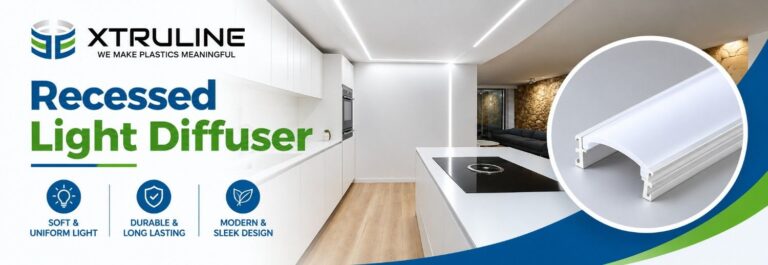
An LED opal diffuser helps soften the appearance of LED illumination. It is particularly useful in fixtures where a smooth and consistent lighting effect is preferred over visible individual light points.
What Is the Difference Between an Opal Glass Diffuser and a Standard LED Diffuser?
Although both products are designed to distribute light, they can differ in material, construction, and intended application.
| Comparison | Opal Glass Diffuser | Standard LED Diffuser |
|---|---|---|
| Material | Translucent glass | Often acrylic or polycarbonate |
| Appearance | Milky white glass finish | Available in different finishes |
| Weight | Generally heavier | Generally lighter |
| Durability | Can be durable but may break on impact | Depends on plastic material and grade |
| Applications | Decorative and architectural fixtures | LED profiles, panels, and lighting systems |
FAQs
The right choice depends on the fixture design, installation environment, light transmission requirements, and material preferences.
For example, glass may be preferred for certain decorative fixtures, while acrylic and polycarbonate diffusers are commonly used in LED profiles because of their lightweight construction and design flexibility.
How to Choose the Right Opal Glass Diffuser?
Choosing the right diffuser requires more than simply selecting a milky white surface. You should consider the lighting requirements and the environment in which it will be installed.
Here are some important factors to evaluate:
- Light transmission: Check how much light passes through the diffuser and whether it provides the required brightness.
- Diffusion quality: Look for a material that distributes light evenly without creating unwanted bright spots.
- Material quality: Consider the glass composition, surface finish, and overall construction.
- Size and compatibility: Ensure that the diffuser dimensions match the lighting fixture.
- Installation requirements: Check mounting arrangements and whether the diffuser is suitable for the intended application.
- Maintenance: Consider cleaning requirements and the possibility of scratches or damage during regular use.
Evaluating these factors can help you select a diffuser that meets both functional and aesthetic expectations.
Why Are Opal Diffusers Important in Modern LED Lighting?
Modern lighting design focuses on more than brightness. Consumers and designers increasingly look for solutions that combine energy efficiency, visual comfort, and attractive aesthetics.
This has increased interest in different diffuser materials and designs.
An opal glass diffuser can help improve the appearance of LED fixtures by softening direct illumination and creating a more consistent lighting effect. It also supports clean fixture designs where the lighting source is not meant to be visually prominent.
For manufacturers and designers, selecting the right diffuser is an important part of developing lighting products that meet modern functional and design expectations.
Conclusion
An opal glass diffuser is an important lighting component that helps scatter light, minimise harsh brightness, and create a softer illumination effect. Its attractive milky appearance and practical functionality make it suitable for residential, commercial, decorative, and architectural lighting applications.
Whether you are exploring an opal diffuser glass design or comparing different LED diffusion materials, understanding the material properties, light transmission, and application requirements can help you make a better decision.
At Xtruline, we understand the importance of quality diffuser solutions in modern lighting applications. If you are exploring LED lighting diffusers, profiles, or customised extrusion solutions, connect with our team to discover options that match your project requirements.
Visit Xtruline to explore innovative lighting diffuser solutions and find the right fit for your next project.
An opal glass diffuser is used in lighting fixtures to scatter light, reduce harsh brightness, and create more uniform illumination. It is commonly found in ceiling lights, decorative lamps, and architectural lighting.
Yes. Opal glass diffusers can be used with LED lighting systems to soften the light output and reduce the visibility of individual LED light sources.
An LED opal diffuser is a translucent component designed to scatter LED light and create a smoother, more consistent lighting appearance.
Opal diffuser glass scatters incoming light because of its translucent milky appearance, while clear glass generally allows light to pass through with less scattering.
Consider light transmission, diffusion quality, material construction, dimensions, fixture compatibility, and installation requirements before selecting an opal glass lighting diffuser.