Why Are Plastic Profiles Becoming the First Choice for Modern Manufacturing?
Introduction
If you’ve worked anywhere near construction, furniture, signage, or electrical fittings in the last few years, you’ve probably noticed a quiet shift. Metal and wood, once the automatic choice for structural framing and edging, are being swapped out for something lighter, cheaper to produce at scale, and far easier to shape into exact specifications. That something is plastic profiles.
It’s a simple category on paper long, continuously shaped plastic sections but the role these components play in modern manufacturing is anything but small. From the frame of a cabinet door to the corner guard on a warehouse pallet rack, plastic profiles have quietly become one of the most dependable building blocks across industries. This post breaks down what they are, why demand for them keeps climbing, and how to think about sourcing them for your own project.
What Exactly Are Plastic Profiles?
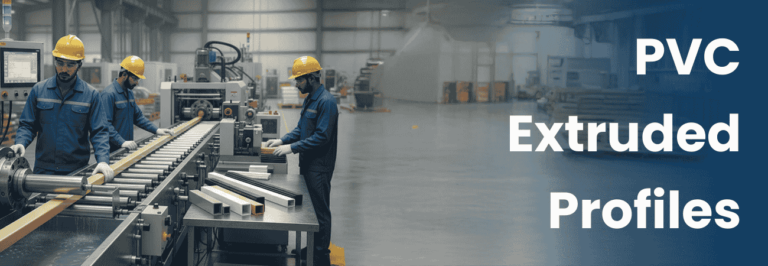
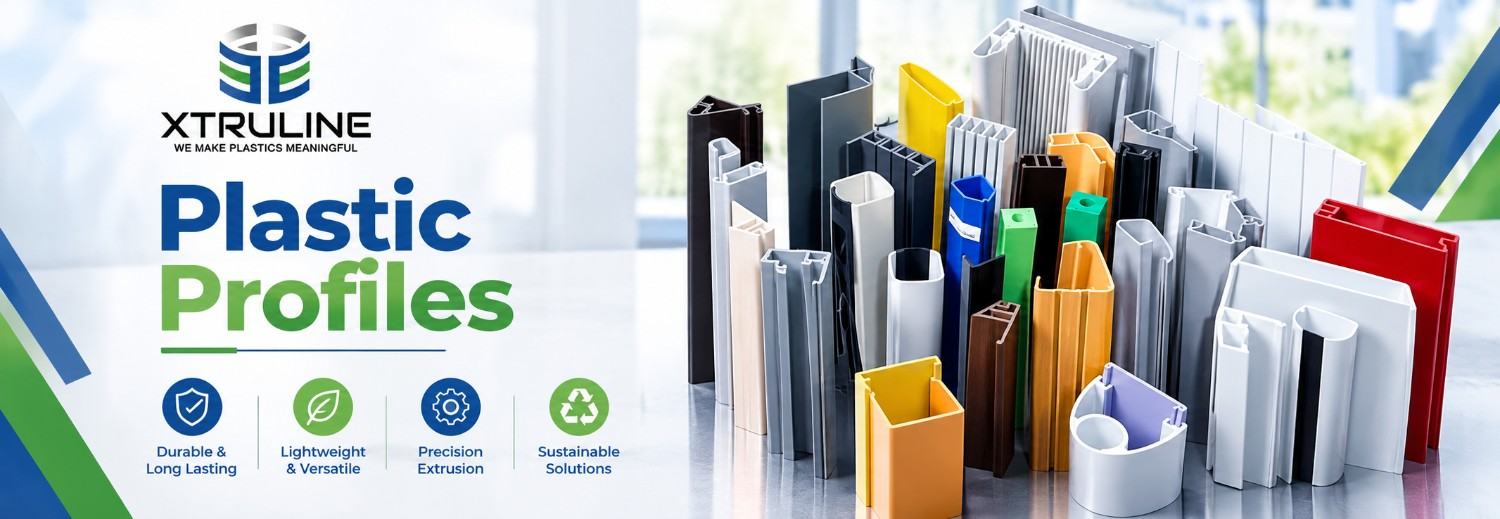
At the simplest level, plastic profiles are shaped lengths of plastic produced through a process called extrusion. Raw plastic pellets are melted down and forced through a custom-shaped die, and what comes out the other end is a continuous strip carrying that exact cross-section a channel, an angle, a tube, a corner piece, whatever the application calls for. The material cools, gets cut to length, and is ready to ship.
What makes this manufacturing method so popular is consistency. Every meter of a profile run carries the identical shape, thickness, and finish as the one before it. That’s a hard thing to guarantee with molded or machined parts, especially at high volumes, and it’s part of why plastic profiles have found their way into so many different industries construction, retail fixtures, automotive interiors, electrical enclosures, furniture, and packaging, to name just a few.
Why the Demand Curve Keeps Rising
A few forces are pushing this category forward right now, and none of them look temporary.
Cost pressure on traditional materials
Aluminum and timber prices swing with global supply chains, and both require secondary finishing (painting, sealing, anti-corrosion treatment) that plastic simply doesn’t need. A well-formulated plastic profile resists moisture and UV exposure right out of the die, cutting a step out of production.
Design flexibility
Because the shape comes from a die rather than a mold, custom plastic profiles can be developed relatively quickly and cheaply compared to injection-molded alternatives, which makes them attractive for mid-volume runs where a full mold tool wouldn’t pay for itself.
Lightweighting
Anywhere weight matters transport, installation labor, shipping cost swapping a metal component for an extruded plastic one usually pays off without sacrificing the structural role it plays.
Sustainability conversations
Many manufacturers now offer profiles in recyclable or partially recycled plastic resins, which matters to procurement teams working under greener sourcing mandates.
Put together, these factors explain why the category isn’t a niche corner of the plastics industry anymore it’s a mainstream sourcing decision.
Where Plastic Corner Profiles Fit In
One of the most requested shapes within this category is the plastic corner profile an L-shaped section used to protect, finish, or reinforce an edge. Think of the corner guards on shipping crates, the trim along a cabinet’s exposed edge, or the protective strip on a glass panel during transit.
Corner profiles do double duty. They protect a vulnerable edge from chipping or impact damage, and they give a finished, clean appearance to what would otherwise be a raw or exposed edge. Because they’re extruded rather than cut from sheet stock, they can be produced with a consistent radius and wall thickness across the entire length something that matters a lot when the part is going to be visible in a finished product.
Industries that lean on corner profiles heavily include furniture manufacturing, glass and glazing, packaging and logistics, and retail display fixtures, where a clean edge finish is often as important as the protection it offers.
The Case for Custom Plastic Profiles
Off-the-shelf shapes work for a lot of applications, but plenty of projects need something the catalog doesn’t carry. That’s where custom plastic profiles come in sections engineered to a client’s own drawing, tolerance, and material spec rather than a standard die.
Going custom usually makes sense when:
- An existing metal or wood component needs to be replaced with a plastic equivalent that matches the same footprint
- A product design calls for an integrated feature a snap-fit edge, a cable channel, a gasket groove that no standard profile offers
- Colour matching or a specific surface finish is part of the brand or product spec
- Volumes are high enough to justify tooling a dedicated die but not high enough to justify a full injection mould
A good manufacturing partner will walk through material selection (PVC, polycarbonate, ABS, and various composites all extrude differently), wall thickness tolerances, and finish options before committing to a die, since correcting a die after the fact is far more expensive than getting the spec right up front.
How Extruded Plastic Profiles Are Actually Made
It helps to understand the production side, because it explains both the strengths and the limits of this category.
- Material selection — the right resin is chosen based on the end-use environment: UV exposure, load-bearing needs, flexibility, chemical resistance, and so on.
- Die design — a steel die is machined to the exact cross-section required. This is the step that determines whether a shape is achievable and how tight the tolerances can be held.
- Extrusion — molten plastic is pushed continuously through the die under controlled pressure and temperature.
- Cooling and calibration — the profile passes through a water bath or air-cooling system that locks the shape in place and keeps dimensions stable.
- Cutting and finishing — the continuous length is cut to size, and any secondary operations (drilling, notching, printing) are applied.
Because extruded plastic profiles are produced in a continuous run, they’re economical at scale but still practical for smaller custom batches, which is part of why so many manufacturers across sectors default to this method rather than machining or moulding.
What to Look for in a Manufacturing Partner
Not every extruder handles every resin or tolerance range equally well, so a few questions are worth asking before committing to a supplier:
- Do they design and cut dies in-house, or outsource that step?
- What tolerance ranges can they consistently hold on complex cross-sections?
- Can they match specific colours or provide co-extruded (multi-material) profiles?
- What’s their typical lead time from approved drawing to first production run?
- Do they offer post-extrusion services like printing, punching, or assembly?
A manufacturer that can answer these clearly, and that’s willing to prototype before committing to a full production die, is usually the safer long-term partner especially for custom or high-precision applications.
Conclusion
Plastic profiles have moved from a cost-saving alternative to a preferred first choice across construction, furniture, packaging, and industrial applications. Whether it’s a standard plastic corner profile protecting an edge, a fully custom plastic profile engineered to a unique drawing, or a high-volume run of extruded plastic profiles feeding an assembly line, the underlying appeal is the same: consistent quality, design flexibility, and a manufacturing process that scales without ballooning cost.
If your next project calls for a component that needs to be lightweight, weather-resistant, and precisely shaped, it’s worth putting plastic extrusion on the shortlist before defaulting to metal or wood.
Looking for a manufacturing partner who can take your plastic profile from drawing to finished product? Xtruline designs and extrudes standard and custom plastic profiles including corner profiles and precision extruded sections for clients across construction, furniture, and industrial applications. Reach out to Xtruline to discuss your specification and get a production timeline.
FAQs
Plastic profiles are used wherever a consistent, shaped length of plastic is needed edge protection, structural framing, cable management, window and door trims, furniture edging, and packaging components, among many other applications.
A standard profile uses an existing die and shape already in a manufacturer’s catalog, while a custom plastic profile is engineered from a client’s own drawing and specifications, requiring a dedicated die.
PVC, polycarbonate, ABS, and various composite resins are the most common choices, selected based on the application’s exposure to UV, moisture, load, and flexibility requirements.
Yes, when manufactured from UV-stabilised resins, plastic corner profiles hold up well outdoors, resisting cracking, fading, and moisture damage far better than untreated wood or unfinished metal.
Timelines vary by complexity, but they typically include die design and approval, a prototype run, and final production scheduling a reliable manufacturer will confirm exact lead times once your drawing and specification are reviewed.