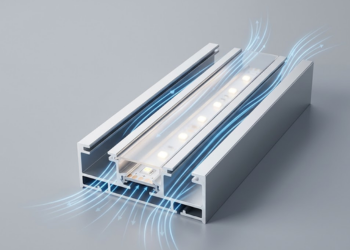
Profiles for HVAC & Refrigeration Industry
Component Housing, Airflow Management & Thermal Efficiency
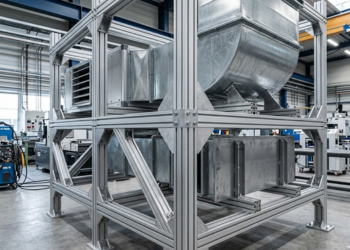
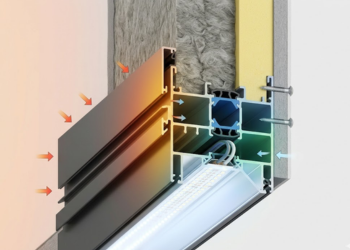
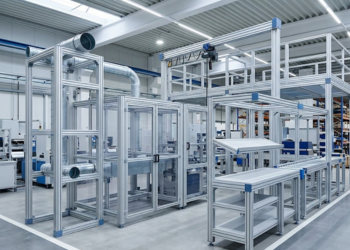
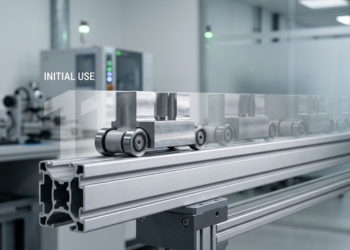
Our HVAC and refrigeration profiles are precision-engineered to support critical components, improve airflow management, and enhance thermal efficiency in cooling and ventilation systems. These profiles are designed to ensure structural stability, proper insulation support, and long-term durability in demanding environments.
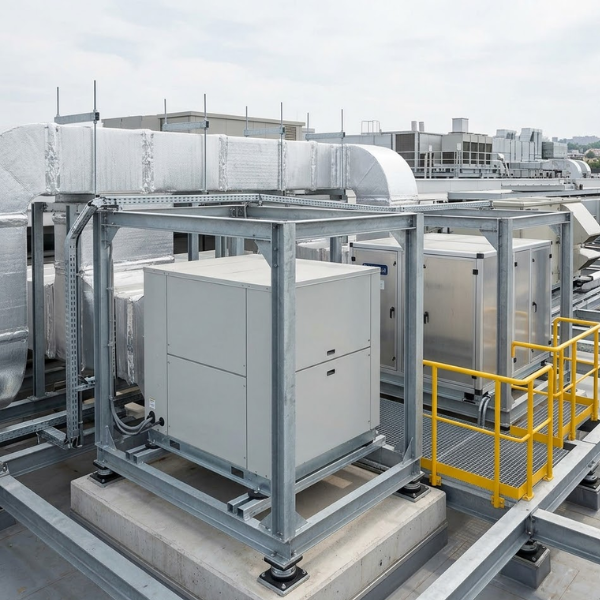
An efficient HVAC or refrigeration system relies on multiple integrated elements working together seamlessly. Profiles act as a structural backbone by supporting panels, ducts, insulation materials, and mechanical components while maintaining alignment and strength. They also contribute to better airflow distribution and energy efficiency when combined with high-quality insulation and system design.
Designed for industrial, commercial, and residential applications, these profiles help create robust HVAC and refrigeration systems that deliver consistent performance, reduced energy consumption, and reliable operation under varying conditions.
Key Features & Benefits
Applications of HVAC & Refrigeration Profiles
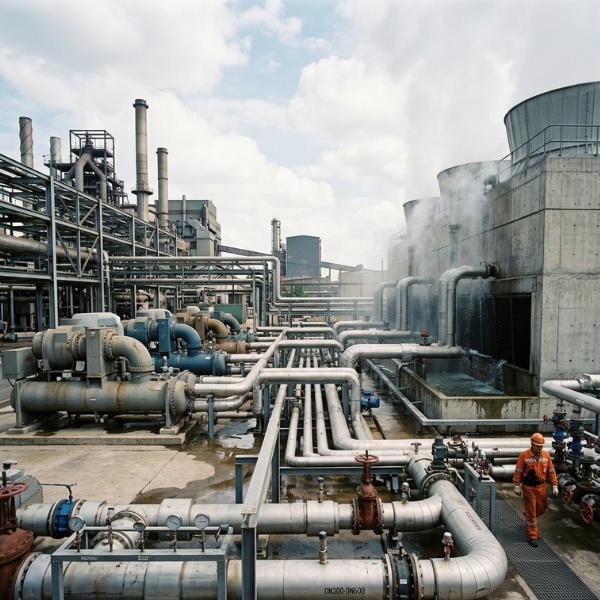
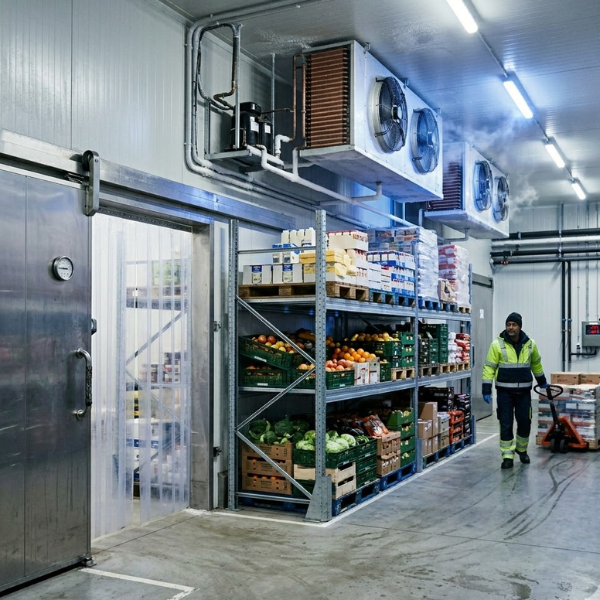
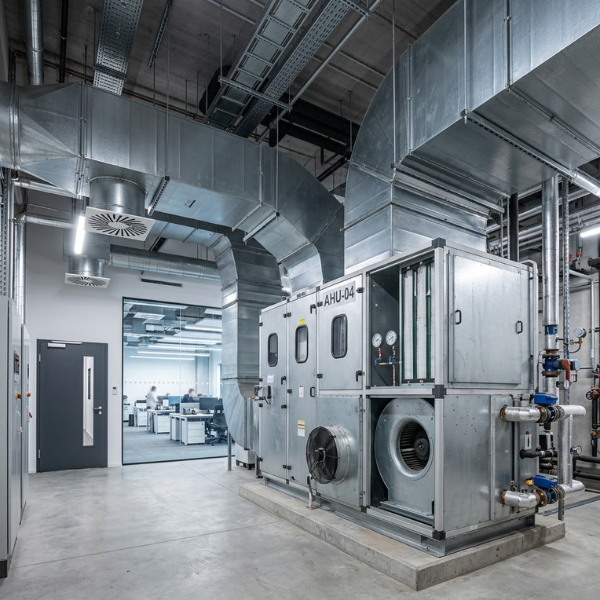
Our profiles are widely used across multiple cooling and ventilation applications:


How to Choose the Right Profile
Selecting the right profile is essential for system performance:
For heavy-duty systems → choose high-strength structural profiles
Technical Considerations
- Thermal Management : Proper insulation support and heat control are essential for maintaining system efficiency.
- Material Selection : Choosing the right material ensures resistance to corrosion, temperature changes, and mechanical stress.
- Structural Load Capacity : Profiles must support the weight of components and maintain system stability.
- Installation Planning : Adequate design and alignment are crucial for proper airflow and long-term reliability.
Common Mistakes to Avoid
- Using low-strength profiles for heavy HVAC components
- Ignoring insulation compatibility
- Poor airflow design and blockage
- Improper installation and alignment
- Selecting materials not suitable for humid or corrosive environments
Avoiding these mistakes ensures efficient and durable system performance.
Certifications & Standards
Trusted by Global Clients
Durable, custom-designed profiles for construction, electrical, and interior applications.
Frequently Asked Questions
1. What materials are used in HVAC profiles?
HVAC profiles are typically made from aluminum, steel, or coated metals that offer strength, durability, and corrosion resistance.
2. Are these profiles suitable for outdoor applications?
Yes, corrosion-resistant finishes make them suitable for both indoor and outdoor HVAC systems.
3. How do profiles improve HVAC system efficiency?
LED profiles help in heat dissipation and protect strips from dust and moisture, which significantly increases the overall lifespan of the lighting system.
4. Can these profiles be customized?
Yes, profiles can be customized in terms of size, shape, and finish to meet specific project requirements.
5. Where are HVAC profiles commonly used?
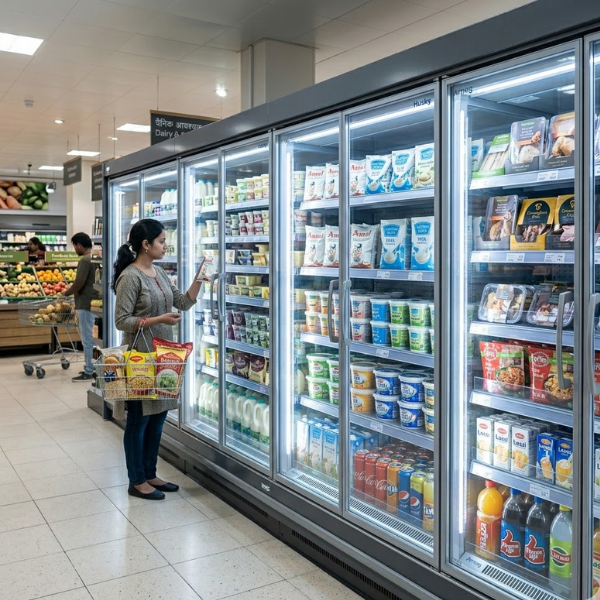
They are used in duct systems, refrigeration units, air handling units, and industrial cooling applications.