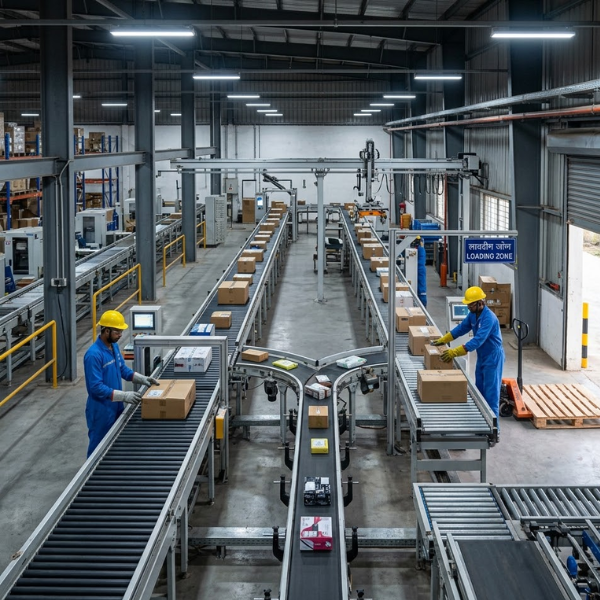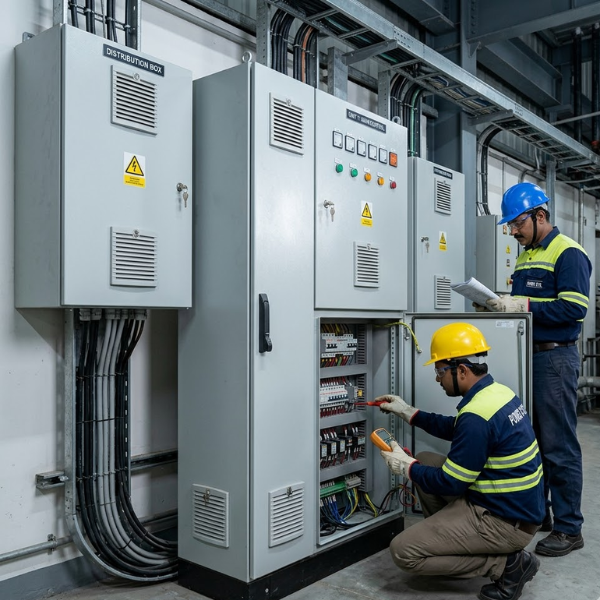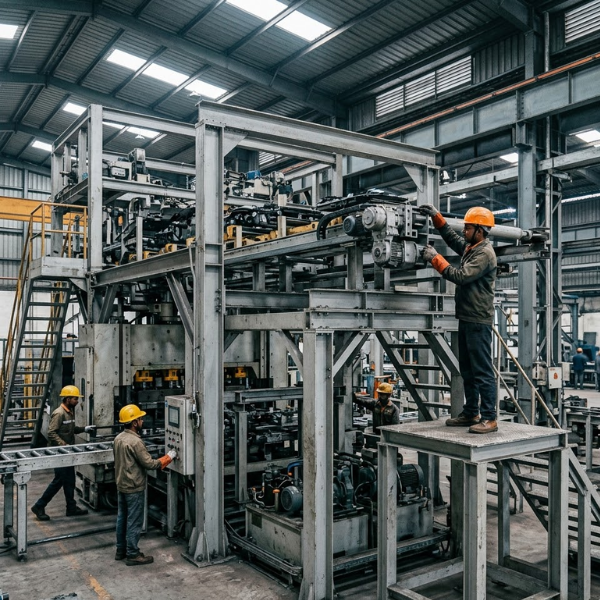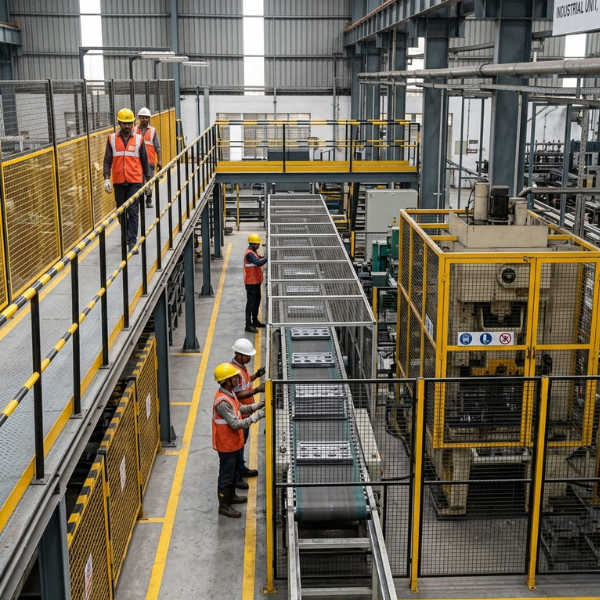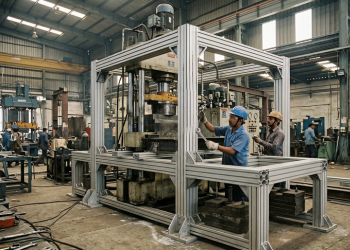
Profiles for General Purpose Industrial Applications

Structural Support, Protection & Versatile Industrial Solutions

Our general-purpose industrial profiles are precision-engineered to provide reliable support, protection, and functional efficiency across a wide range of industrial applications. Designed for durability and adaptability, these profiles play a key role in ensuring smooth operations and long-term performance in demanding environments.

Industrial systems rely on multiple components working together efficiently. Profiles act as essential elements by supporting structures, protecting equipment, and maintaining proper alignment across assemblies. They also contribute to improved safety, reduced wear and tear, and optimized operational efficiency.

Suitable for diverse industrial sectors, these profiles offer flexible solutions that meet varying requirements, from light-duty applications to heavy industrial usage.

Key Features & Benefits

High Strength & Durability

Profiles are designed to withstand heavy loads and harsh industrial conditions, ensuring long-term reliability.
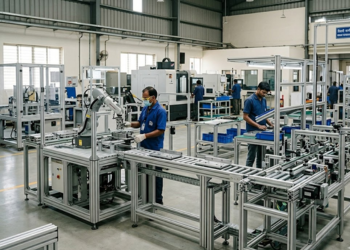
Versatile Applications

Suitable for a wide range of industries including manufacturing, automation, and material handling.
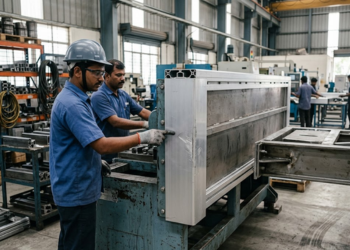
Wear & Impact Resistance

Provides protection against mechanical stress, impacts, and daily operational wear.
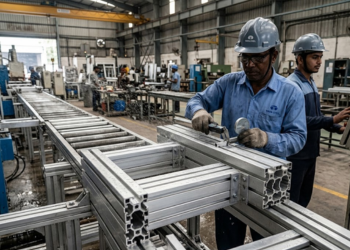
Corrosion & Environmental Resistance

Built to resist moisture, chemicals, and varying environmental conditions.
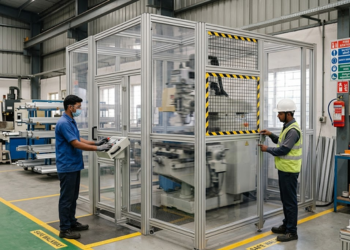
Improved Safety

Supports protective structures and guards, enhancing workplace safety.
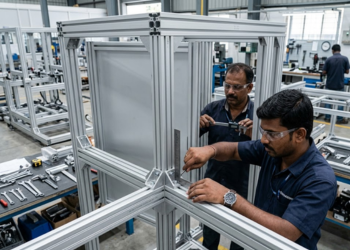
Precision & Stability

Ensures accurate alignment and structural integrity in industrial assemblies.
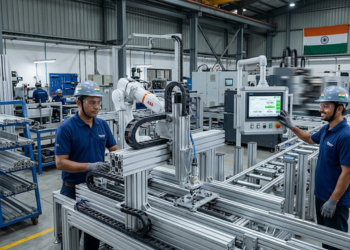
Long-Lasting Performance

Manufactured using high-quality materials for consistent and reliable operation over time
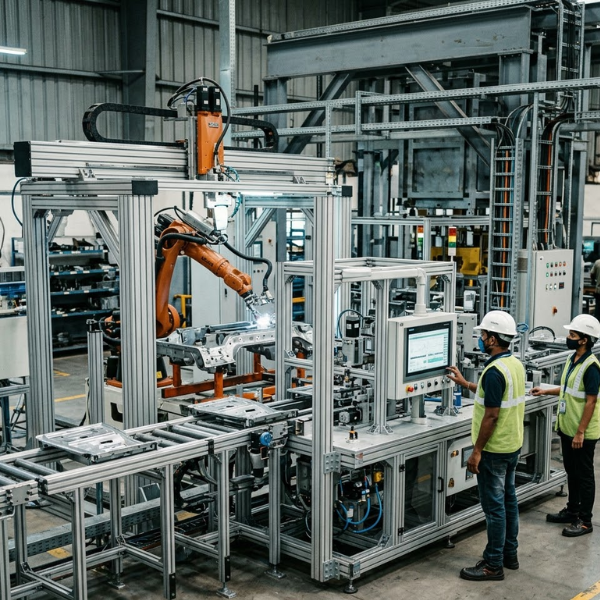
Applications of Industrial Profiles

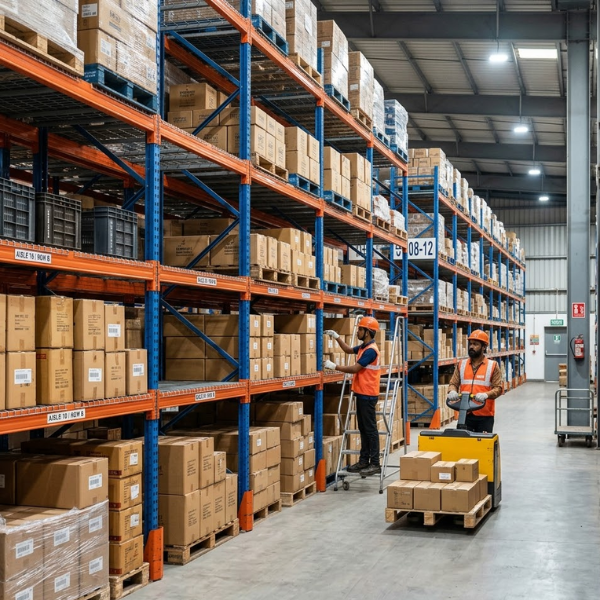
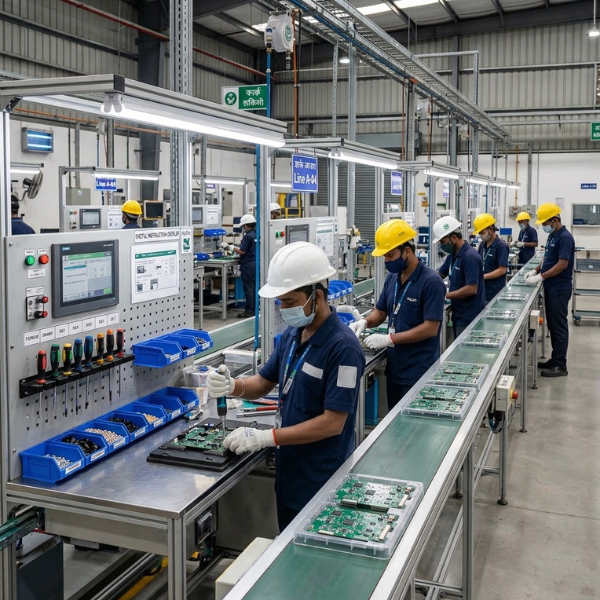
Our profiles are widely used across multiple industrial applications:

How to Choose the Right Industrial Profile

Selecting the right profile ensures efficiency and durability:

For heavy-duty applications → choose high-strength load-bearing profiles

For corrosive environments → opt for corrosion-resistant materials

For modular systems → select profiles compatible with assembly requirements

For safety applications → choose impact-resistant and robust designs

For compact setups → select lightweight and space-efficient profiles

Technical Considerations

  • Material Selection : Profiles should be made from materials suitable for industrial stress, wear, and environmental exposure.
  • Load Capacity : Must support the operational loads and structural requirements.
  • Environmental Conditions : Consider exposure to moisture, chemicals, temperature, and dust.
  • Installation & Assembly : Proper design and fitting are essential for efficiency and safety.

Common Mistakes to Avoid

  • Using low-strength profiles in heavy industrial setups
  • Ignoring environmental and chemical exposure factors
  • Selecting incorrect profile size or thickness
  • Poor installation and structural alignment
  • Overlooking safety and load requirements

Avoiding these mistakes ensures better performance, safety, and durability.

Certifications & Standards

Trusted by Global Clients

Durable, custom-designed profiles for construction, electrical, and interior applications.

Frequently Asked Questions

Q1. What materials are used in industrial profiles?

 Industrial profiles are commonly made from aluminum, steel, or durable polymers depending on application requirements.

Yes, they are designed to handle both light-duty and heavy-duty industrial applications.

Yes, they support protective structures and help reduce operational risks.

Yes, profiles can be tailored in size, shape, and finish based on industrial needs.

They are used in machinery, conveyor systems, enclosures, storage systems, and automation setups.