Profiles for Electrical Industry

Protection, Cable Management & Efficient System Integration

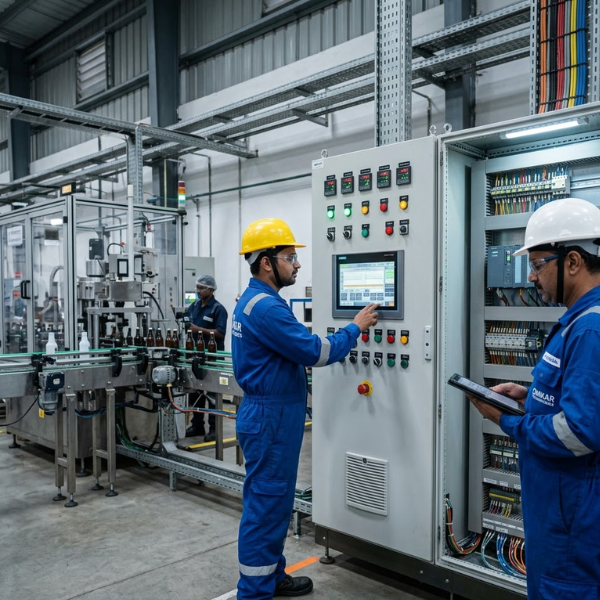
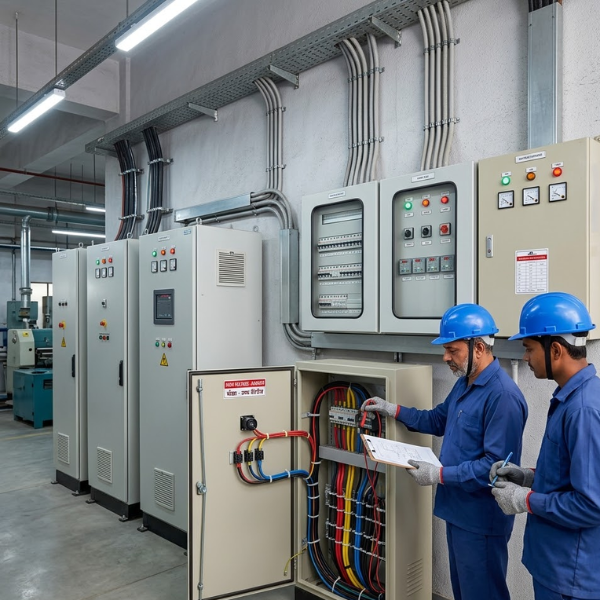
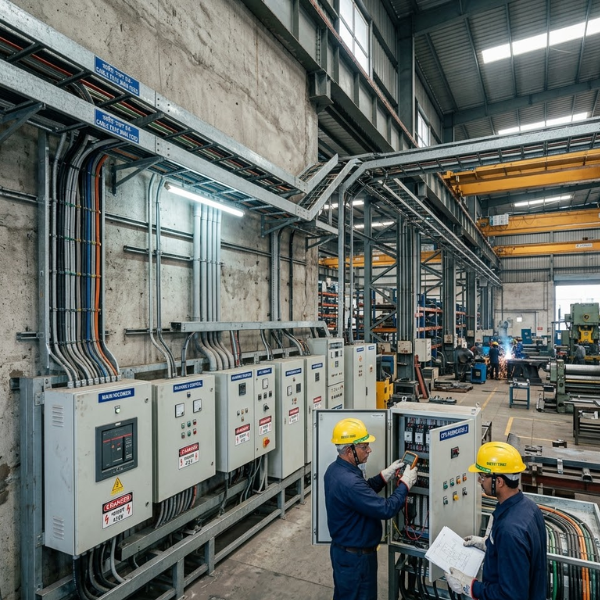
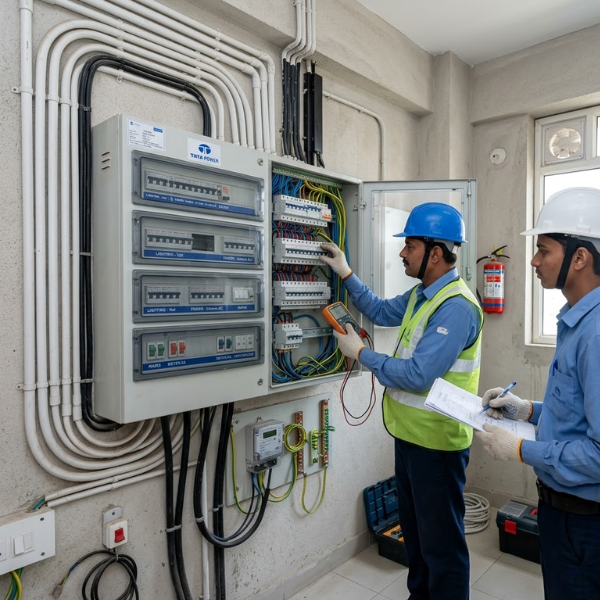
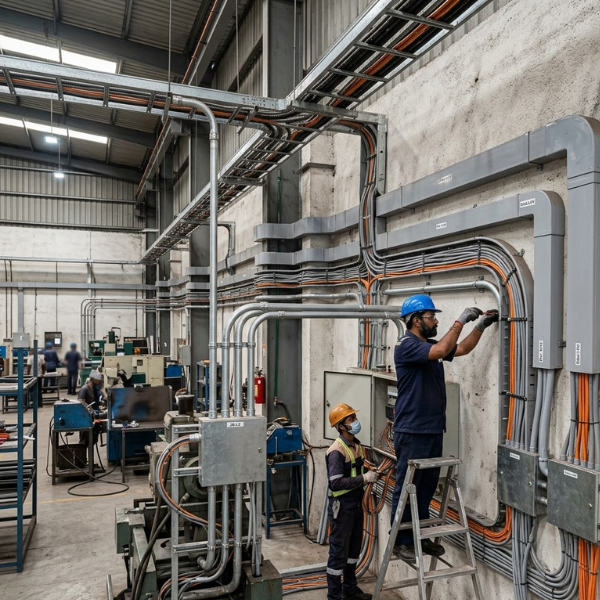
Our electrical profiles are precision-engineered to support, protect, and organize electrical components across a wide range of applications. Designed for durability and safety, these profiles play a critical role in ensuring efficient cable management, secure installations, and long-term system performance.

A reliable electrical system depends on proper organization and protection of its components. Profiles act as essential elements by housing cables, supporting panels, and maintaining alignment in electrical setups. They also help reduce exposure to environmental factors, minimize damage risks, and improve overall safety.

Suitable for residential, commercial, and industrial electrical applications, these profiles contribute to well-structured systems that deliver consistent performance, enhanced safety, and easy maintenance.

Key Features & Benefits

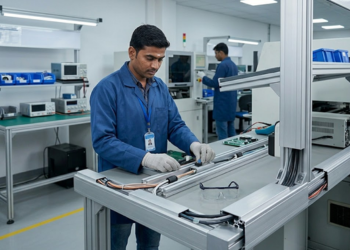
Efficient Cable Management

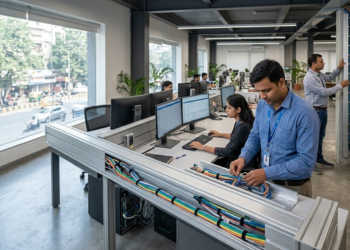
Profiles help organize and route cables neatly, reducing clutter and improving system accessibility.
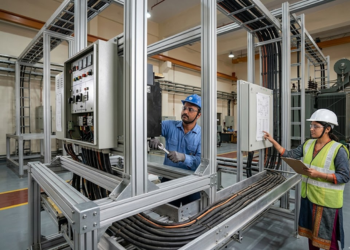
Enhanced Safety & Protection

Protects cables and electrical components from dust, moisture, and physical damage.
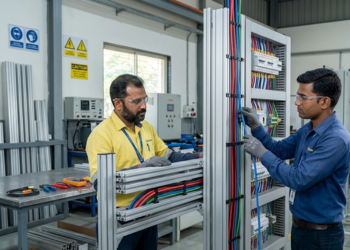
High Durability & Strength

Manufactured using strong materials to withstand mechanical stress and long-term usage.
Insulation Support

Provides additional protection against electrical hazards by supporting insulated installations.
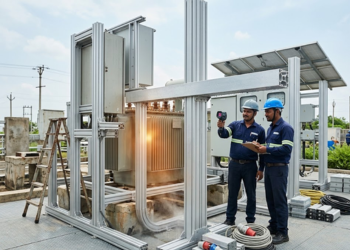
Corrosion & Heat Resistance

Designed to perform reliably under varying temperatures and environmental conditions.
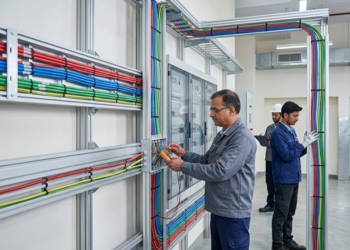
Clean & Professional Finish

Ensures a neat and structured appearance in electrical installations.
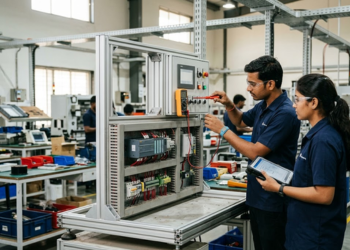
Long-Lasting Performance

Built with high-quality materials for durability and consistent operation over time.
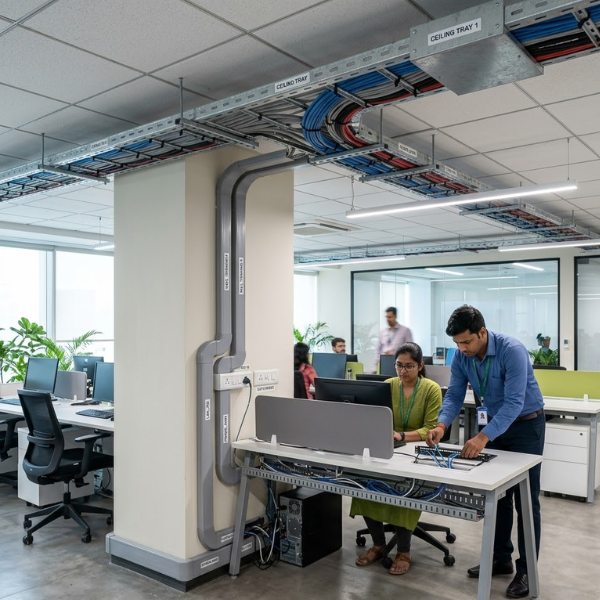
Applications of Electrical Profiles

Our profiles are widely used across various electrical applications:

How to Choose the Right Electrical Profile

Selecting the right profile ensures safety and system efficiency:

For heavy wiring systems → choose high-strength and spacious profiles
For compact installations → select slim and space-saving designs
For outdoor applications → opt for weather and corrosion-resistant materials
For high-temperature environments → choose heat-resistant profiles
For organized layouts → ensure compatibility with cable routing requirements

Technical Considerations

Material Quality :  Profiles should be made from materials that offer strength, insulation support, and durability.
Load Capacity : Must support the weight and volume of cables and components.
Thermal Resistance :  Important for maintaining performance in high-temperature conditions.
Installation Design :  Proper planning ensures easy routing, maintenance, and system expansion.

Common Mistakes to Avoid

  • Overloading profiles with excessive cables
  • Using non-durable materials in industrial environments
  • Ignoring heat buildup in enclosed systems
  • Poor installation and cable routing
  • Selecting incorrect profile size for application

Avoiding these mistakes ensures safer and more efficient electrical systems.

Certifications & Standards

Trusted by Global Clients

Durable, custom-designed profiles for construction, electrical, and interior applications.

Frequently Asked Questions

1. What materials are used in electrical profiles?

Electrical profiles are typically made from PVC, aluminum, or other durable materials depending on application needs.

 Yes, they are widely used in industrial, commercial, and residential electrical systems.

 Yes, they protect cables, reduce exposure to hazards, and improve overall system organization

Yes, profiles can be customized in size, shape, and design based on project requirements.

 They are used in cable management systems, panels, wiring ducts, and electrical installations.